Fraud Blocker

Same Day Appointments Available

Pyeloplasty in Singapore

If you or your child has been diagnosed with ureteropelvic junction (UPJ) obstruction, you may be considering pyeloplasty surgery as a treatment option. This condition affects the drainage of urine from the kidney to the ureter and can cause discomfort and potentially complications if left untreated. Pyeloplasty is a surgical procedure designed to correct this obstruction and aims to restore normal kidney function. Urologists perform this procedure using various surgical techniques tailored to each patient’s specific needs. Understanding what pyeloplasty involves, the recovery process, and potential outcomes can help you make an informed decision about your treatment.

doctor img
Dr. Nor Azhari Bin Mohd Zam

MBBS (NUS)|MRCS (Edin.)|MMed Surgery (NUS)|FAMS (Urology)

Screenshot Pyeloplasty in Singapore

What is Pyeloplasty?

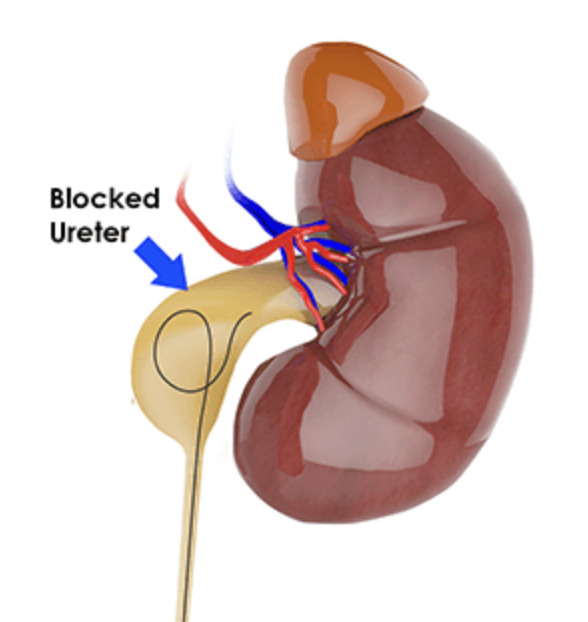
Pyeloplasty is a reconstructive surgical procedure that repairs a blockage or narrowing at the ureteropelvic junction (UPJ) – the point where the kidney’s collecting system (renal pelvis) connects to the ureter. The ureter is the tube that carries urine from the kidney to the bladder. When this junction becomes obstructed, urine cannot drain properly from the kidney, leading to hydronephrosis (kidney swelling).

The procedure involves removing the obstructed segment and reconnecting the healthy portions of the renal pelvis and ureter to create a wide, unobstructed channel for urine flow. This reconstruction aims to preserve kidney function and may help alleviate symptoms such as flank pain, urinary tract infections, and kidney stones.

The surgery can be performed on patients of all ages, from infants to adults. In children, UPJ obstruction is often congenital (present from birth), while in adults, it may develop due to kidney stones, previous surgery, or blood vessel compression. Modern surgical techniques allow for minimally invasive approaches that may reduce recovery time and scarring.

Who is a Suitable Candidate?

Potential Candidates

Potential Candidates

  • Patients with confirmed UPJ obstruction diagnosed through imaging studies (CT scan, MRI, or nuclear medicine scan)
  • Individuals experiencing recurrent flank or abdominal pain related to kidney obstruction
  • Patients with declining kidney function due to poor drainageThose with recurrent urinary tract infections caused by urine stasis
  • Individuals with kidney stones forming due to poor urine drainage
  • Children with prenatal diagnosis of hydronephrosis that persists after birth
  • Adults who have not responded to conservative management or endoscopic treatments
  • Patients with adequate overall health to undergo surgery
Contraindications

Contraindications

  • Severe kidney damage with significantly reduced function (may require nephrectomy instead)
  • Active urinary tract infection (must be treated before surgery)
  • Uncorrected bleeding disorders or coagulopathy
  • Severe cardiopulmonary disease that makes surgery high-risk
  • Multiple previous failed pyeloplasty attempts (may need alternative approaches)

The decision to proceed with pyeloplasty requires careful evaluation by a urologist. Comprehensive testing, including imaging studies and a kidney function test, will help determine if you may be a suitable candidate. Your surgeon will consider factors such as the degree of obstruction, kidney function, symptom severity, and your overall health status when discussing treatment options.

Treatment Techniques & Approaches

  • Open Pyeloplasty

    Open pyeloplasty, also known as Anderson-Hynes pyeloplasty, is a surgical approach for treating UPJ obstruction. This technique involves making an incision in the flank or abdomen to directly access the kidney and ureter. The surgeon removes the narrowed segment and reconnects the renal pelvis to the ureter with sutures, creating a funnel-shaped connection that may allow improved urine drainage. This approach requires a larger incision and provides direct visualisation, and may be considered for complex cases or when minimally invasive techniques are not suitable.

  • Laparoscopic Pyeloplasty

    Laparoscopic pyeloplasty aims to achieve similar reconstruction to open surgery but through several small incisions (usually 3-4 ports) rather than one large incision. Using a camera and specialised instruments, the surgeon performs the reconstruction with magnified visualisation. This minimally invasive approach may result in less postoperative pain, shorter hospital stays, and faster recovery compared to open surgery. This technique may be considered for suitable candidates.

  • Robot-Assisted Pyeloplasty

    Robot-assisted laparoscopic pyeloplasty utilises the da Vinci surgical system to enhance precision during the reconstruction. The surgeon controls robotic arms that provide enhanced dexterity, 3D visualisation, and tremor filtration. This technology may be beneficial for the intricate suturing required in pyeloplasty. The robotic approach offers the features of minimally invasive surgery and may be considered by experienced robotic surgeons.

  • Technology & Equipment Used

    Modern pyeloplasty procedures utilise various technologies, including high-definition laparoscopic cameras, specialised suturing instruments, and ureteral stents for postoperative drainage. Intraoperative ultrasound may guide the surgical approach, whilst fluoroscopy can confirm proper stent placement. The choice of technology depends on the surgical approach and individual patient factors.

Considering which approach might be suitable for you?

Considering your treatment options? Dr Azhari will evaluate your specific needs and discuss the available techniques.

The Treatment Process

Pre-Treatment Preparation

Before your pyeloplasty, you’ll undergo comprehensive preoperative testing, including blood work, urine analysis, and imaging studies to confirm the diagnosis and assess kidney function. Your surgeon will review your medications, as blood thinners and certain supplements must be stopped before surgery. You’ll receive instructions about fasting, typically no food or drink after midnight before surgery. Antibiotics may be prescribed to prevent infection. For children, preparation includes age-appropriate explanations and arranging paediatric anaesthesia consultation.

During the Procedure

On the day of surgery, you’ll receive general anaesthesia during the procedure. The surgical team positions you to access the affected kidney. For minimally invasive approaches, the abdomen is insufflated with carbon dioxide gas to create working space. The surgeon identifies the UPJ obstruction, excises the narrowed segment, and spatulates (widens) the ureter before reconnecting it to the renal pelvis.

A ureteral stent (small tube) is typically placed to maintain the new connection and support drainage during healing. The procedure duration varies depending on complexity and surgical approach. Throughout surgery, your vital signs are continuously monitored by the anaesthesia team.

Immediate Post-Treatment

After surgery, you’ll recover in the post-anaesthesia care unit where nurses monitor your vital signs, pain levels, and urine output. A urinary catheter drains your bladder, and you may have a small drain near the surgical site for laparoscopic or open procedures. Pain medication is provided through IV initially, transitioning to oral medications as you recover. Patients can typically start clear liquids within hours of surgery, advancing to a regular diet as tolerated. The surgical team monitors for any immediate complications and aims to provide adequate pain control before transfer to the regular ward.

Recovery & Aftercare

First 24-48 Hours

During the initial recovery period, pain management remains a priority with regular medication. The urinary catheter typically stays in place to monitor urine output and ensure bladder drainage. You’ll be encouraged to perform deep breathing exercises to prevent pneumonia and begin gentle walking with assistance. The surgical drain, if present, is monitored for output and usually removed before discharge. Your surgical team will check for signs of complications such as fever, excessive drainage, or severe pain.

First Week

Patients may be discharged after surgery, depending on the surgical approach and individual recovery. At home, you’ll continue oral pain medications as needed and antibiotics if prescribed. Activity restrictions include no heavy lifting, avoiding strenuous activities, and gentle walking to promote healing. The ureteral stent remains in place, which may cause mild discomfort, urinary frequency, or blood-tinged urine – all normal occurrences. You’ll have specific wound care instructions and should watch for signs of infection. A follow-up appointment is typically scheduled to assess healing.

Long-term Recovery

Complete recovery varies by surgical approach and individual factors. The ureteral stent is usually removed post-surgery via cystoscopy, a brief outpatient procedure. Follow-up imaging may be performed to assess drainage and monitor kidney function. Patients can gradually resume normal activities as advised by their healthcare professional. Long-term follow-up may continue to monitor kidney function and assess the success of the repair.

Dr Azhari provides comprehensive post-procedure support to help with recovery. Schedule your consultation to learn more about what to expect.

Benefits of Pyeloplasty

Pyeloplasty may offer benefits for patients with UPJ obstruction. The primary aim is restoration of normal urine drainage from the kidney, which can help preserve and potentially improve kidney function. Patients may experience relief from flank pain and discomfort that previously impacted their daily activities. The procedure aims to reduce the risk of recurrent urinary tract infections by addressing urine stasis in the kidney.

For patients who developed kidney stones due to poor drainage, pyeloplasty may help prevent future stone formation by improving urine flow. Children who undergo pyeloplasty can potentially achieve normal kidney growth and development, helping prevent long-term complications. The procedure may eliminate the need for temporary measures such as nephrostomy tubes or repeated ureteral stent placements.

Quality of life improvements may occur, with patients potentially experiencing better sleep, increased physical activity tolerance, and reduced anxiety about kidney problems. Pyeloplasty aims to provide a treatment option for UPJ obstruction. Modern minimally invasive techniques may offer these potential benefits with reduced surgical trauma, potentially allowing faster return to work, school, and normal activities.

Risks & Potential Complications

Common Side Effects

Temporary blood in the urine (hematuria) may occur after pyeloplasty and typically resolves within a few days to weeks. Mild to moderate pain at the surgical site is normal and managed with prescribed medications. Stent-related symptoms, including urinary frequency, urgency, and mild flank discomfort during urination, may affect patients until stent removal. Temporary bloating or shoulder pain from residual gas (in laparoscopic procedures) usually resolves within 48 hours. Constipation from pain medications and reduced activity is common but manageable with stool softeners and increased fluid intake.

Rare Complications

Serious complications may occur but are uncommon and may include urine leakage at the surgical site requiring prolonged drainage or additional intervention. Wound infection may require antibiotic treatment. Recurrent obstruction requiring revision surgery can occur. Bleeding requiring transfusion is possible. Injury to surrounding organs or blood vessels can occur. Long-term complications might include stricture formation at the repair site.

Your surgical team takes multiple precautions to minimise these risks, including prophylactic antibiotics, meticulous surgical technique, and appropriate patient selection. An experienced urologist who regularly performs pyeloplasty procedures can help reduce the likelihood of complications. Early recognition and prompt management of any complications that do occur aim to support optimal outcomes.

Cost Considerations

The cost of pyeloplasty in Singapore varies based on several factors, including the surgical approach chosen, the complexity of the case, and the length of hospital stay. Minimally invasive techniques, such as laparoscopic or robotic surgery, may have different fee structures compared to open surgery. The total cost typically includes surgeon fees, anaesthesia charges, operating theatre time, hospital accommodation, medications, and follow-up care, including stent removal.

Additional factors affecting cost include preoperative investigations such as specialised imaging studies and kidney function tests. Some patients may require extended hospitalisation or additional procedures if complications arise. The type of hospital room selected and any special equipment or technology used during surgery also influence the overall expense.

Professional surgical care involves comprehensive pre- and postoperative management. When considering pyeloplasty, understand what’s included in the quoted fees and any potential additional costs. During your consultation, healthcare professionals can provide information about expected costs based on your specific treatment plan.

Frequently Asked Questions

How long does pyeloplasty surgery typically take to perform?

Pyeloplasty surgery duration varies depending on the surgical approach and complexity of the case. Open pyeloplasty may take several hours, whilst laparoscopic or robotic procedures may also take several hours. Factors such as previous surgery, anatomical variations, and the need for additional procedures can affect operative time. Your surgeon will provide a more accurate estimate based on your specific situation during the preoperative consultation.

Will I need to have a stent after pyeloplasty, and how long will it stay in?

Many patients have a ureteral stent placed during pyeloplasty to maintain the new connection between the kidney and ureter whilst it heals. The stent may remain in place for several weeks after surgery. Whilst the stent can cause some discomfort, such as urinary frequency and mild flank pain during urination, these symptoms are temporary and may resolve once the stent is removed. Stent removal is a brief outpatient procedure performed under local anaesthesia using a cystoscope.

What is the success rate of pyeloplasty surgery?

Pyeloplasty can be effective in addressing ureteropelvic junction obstruction when performed by experienced surgeons. Success is defined as improved drainage on imaging studies and resolution of symptoms. Factors that may influence outcomes include the degree of kidney function before surgery, the absence of complications, and proper postoperative care. Both minimally invasive and open approaches can achieve good outcomes.

Can children undergo pyeloplasty, and how does their recovery differ from adults?

Yes, pyeloplasty can be performed in children, including infants. Children may recover at different rates compared to adults, with many returning to normal activities within a few weeks after minimally invasive surgery. Paediatric patients may require shorter hospital stays and have different pain management needs. Special considerations include age-appropriate anaesthesia protocols, smaller surgical instruments, and family-centred care approaches.

What activities will I need to avoid after pyeloplasty surgery?

ctivity restrictions after pyeloplasty depend on the surgical approach used. Generally, you may need to avoid heavy lifting, strenuous exercise, and contact sports for several weeks after surgery. Swimming may need to be avoided until incisions are fully healed. Light walking is often encouraged from the first day after surgery to promote healing and prevent blood clots. Driving can often resume once you’re off narcotic pain medications and can move comfortably. Your surgeon will provide specific guidelines based on your individual recovery progress.

How will I know if the pyeloplasty was successful?

The success of pyeloplasty can be evaluated through several methods. Symptom resolution, particularly relief of flank pain, may be an indicator of success. Follow-up imaging studies, such as ultrasound or nuclear medicine scans performed months after surgery, can objectively demonstrate kidney drainage. These tests may show decreased hydronephrosis (kidney swelling) and urine flow from the kidney. Kidney function tests may show stabilisation or improvement in the affected kidney’s function. Your urologist will continue monitoring with periodic imaging to assess the repair.

Conclusion

Pyeloplasty represents an effective surgical option for UPJ obstruction, which may help preserve kidney function and reduce symptoms. This procedure can address the underlying cause of the obstruction and aims to provide long-term management. Whether performed using traditional open techniques or modern minimally invasive approaches, pyeloplasty can help manage the obstruction. Optimal outcomes depend on appropriate patient selection, careful surgical technique, and comprehensive postoperative care.

Ready to Take the Next Step?

If you’re considering pyeloplasty for UPJ obstruction, Dr Azhari can help you understand if it may be suitable for your needs. With experience in pyeloplasty procedures, we provide personalised care throughout your journey.

Dr. Nor Azhari Bin Mohd Zam

Dr. Nor Azhari Bin Mohd Zam

MBBS (NUS)|MRCS (Edin.)|MMed Surgery (NUS)|FAMS (Urology)

With more than 15 years experience as a certified Urologist, Dr Nor Azhari specializes in treating a wide range of kidney, bladder and prostate conditions as well as disorders of the male reproductive organs.

He offers minimally invasive treatment options and provides same-day appointments for convenience.

  • Skilled urologist and kidney stone surgeon.
  • Director of Endourology (Urinary stone service) at Singapore General Hospital – 2016 to 2023.
  • Recognized with the College of Surgeons Gold Medal and Singapore Urological Association Book prize.
  • Minimally invasive treatment options available (non-invasive and endoscopic/key-hole techniques).

Make an Enquiry

For urgent or same day appointment requests, please call our hotline.

    Full Name*

    Email Address*

    Phone Number*

    Your Message*

    For Faster Response, call us!

    +65‎ 6334‎ 1486

    Our Clinic Locations

    Asian Healthcare Specialists (Novena)

    Mount Elizabeth Novena Specialist Centre
    38 Irrawaddy Road
    #08-41 Singapore 329563

    Asian Healthcare Specialists (Alvernia)

    Mount Alvernia Hospital
    820 Thomson Road Medical Centre Block A #05-03 Singapore 574623