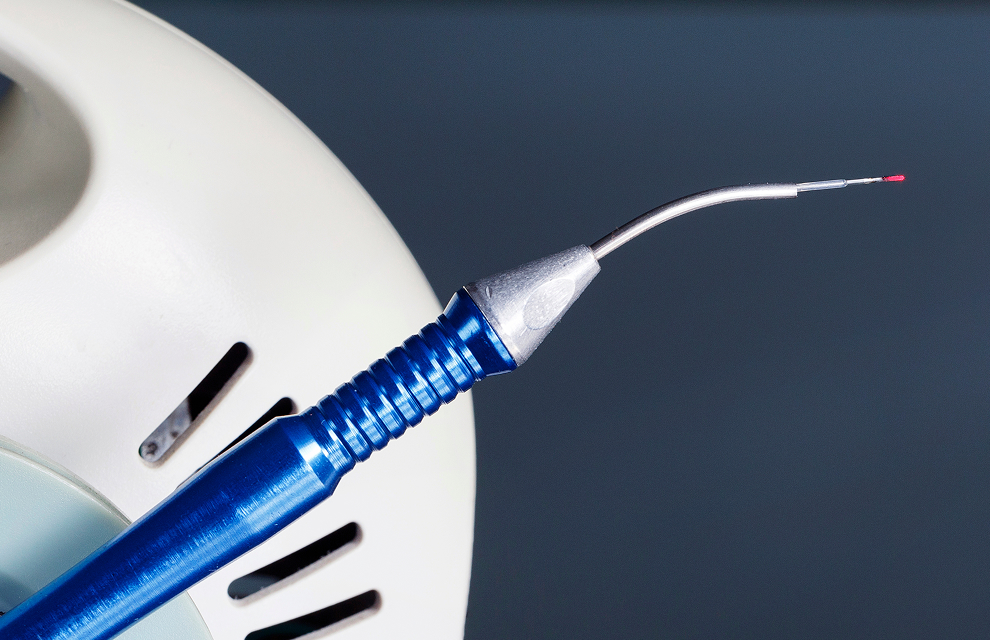
Laser circumcision is a surgical procedure that uses carbon dioxide (CO2) laser technology to remove the foreskin from the penis. The laser functions as both a cutting and cauterising tool, simultaneously removing tissue while sealing blood vessels. This dual action distinguishes laser circumcision from conventional surgical methods.
The procedure accomplishes complete foreskin removal while potentially reducing bleeding and operative time. The CO2 laser produces a concentrated beam of light energy that vaporises tissue along precise surgical lines. As the laser cuts, it creates controlled thermal effects that may help seal small blood vessels, potentially reducing bleeding during surgery.
Laser circumcision addresses the same medical conditions as traditional circumcision, including phimosis (tight foreskin), recurrent balanitis (inflammation), and paraphimosis (trapped retracted foreskin). The technique also serves patients seeking circumcision for religious, cultural, or personal preferences. The procedure aims to achieve comparable outcomes to conventional methods while offering certain procedural considerations. For personalised guidance, patients can visit our circumcision clinic in Singapore to consult a MOH-accredited urologist to discuss suitability, risks, and recovery regarding laser techniques.
*Individual results and timelines may vary.*