Fraud Blocker

Same Day Appointments Available

Overactive Bladder Treatment in Singapore

If you find yourself constantly searching for the nearest bathroom or experiencing sudden urges, you are not alone. Overactive bladder is a recognised urological condition that affects your bladder’s ability to store urine comfortably. With a structured specialist care pathway, it is possible to work toward reducing urinary urgency and restoring meaningful bladder control.

doctor img
Dr. Nor Azhari Bin Mohd Zam

MBBS (NUS)|MRCS (Edin.)|MMed Surgery (NUS)|FAMS (Urology)

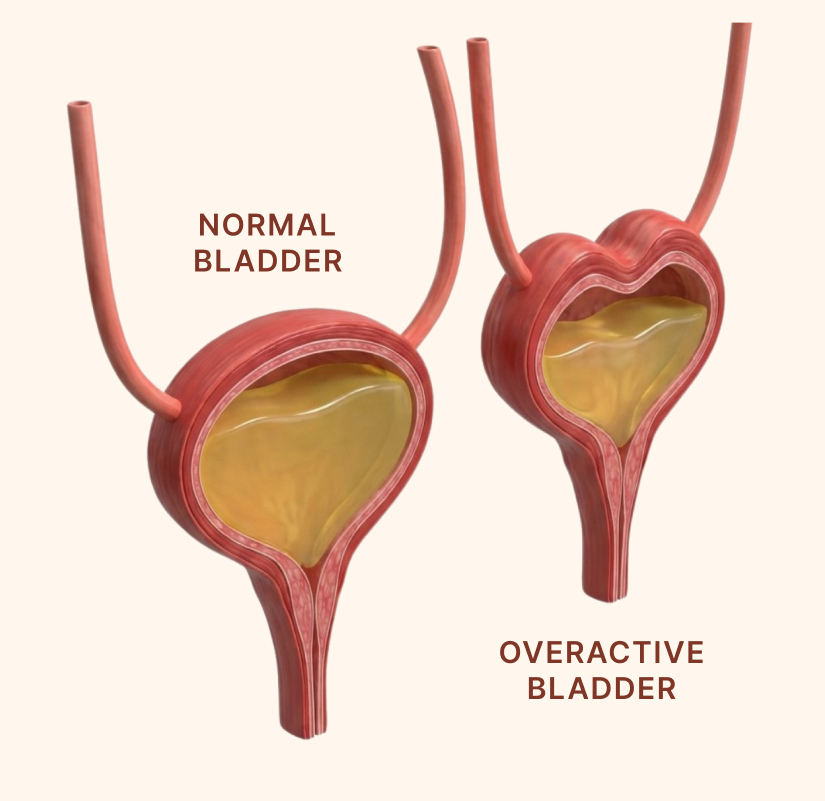
Illustration comparing a normal bladder to an overactive bladder. Overactive Bladder Treatment in Singapore

What is Overactive Bladder

Living with an overactive bladder goes far beyond inconvenient bathroom trips. It can affect your sleep, your comfort in social settings, and your focus at work. When you experience an inability to defer urination or wake multiple times a night to void, you are describing a real medical condition.

The clinical goal is to reduce the abnormal nerve and muscle activity driving urgency, help you re-establish a comfortable voiding pattern, and improve your quality of life. That process begins with a proper specialist consultation.

How Overactive Bladder Is Identified

Overactive bladder shares symptoms with several other urological conditions, which is why a proper clinical assessment matters more than self-assessment based on voiding frequency alone.

Recognising the Symptoms You Describe

You might notice a sudden, intense need to rush to the toilet. Perhaps you leak a little before you get there, or you are visiting the bathroom frequently throughout the day. These are common presentations that patients bring to a urology consultation.

Similar symptoms can also point to a urinary tract infection, bladder outlet obstruction, or interstitial cystitis. That overlap is precisely why self-diagnosis based on symptom frequency alone is not clinically sufficient.

The Assessment Process

Your specialist will begin with a detailed clinical history, a physical examination, and a urinalysis. Alongside this, you may be asked to keep a voiding diary, a simple log of when you urinate, how much you pass, and when you experience urgency or leakage episodes. This optional but highly useful tool provides an objective snapshot of your bladder behaviour over several days.

Alongside this:

  • Validated symptom questionnaires help quantify the severity and impact of your symptoms in a standardised way.
  • A physical examination may assess your pelvic floor, abdominal area, and, in men, the prostate.


Ruling Out Other Conditions

A urinalysis is typically performed to check for infection, blood in the urine, or other abnormalities that could explain your symptoms.

If diagnostic uncertainty remains after initial assessment — for example, if symptoms do not clearly align with OAB, if there are red flags such as haematuria, or if initial treatments have failed. Your specialist may consider advanced tests including urodynamic studies, cystoscopy, or imaging. These are not part of a routine first-line workup for OAB.

What Causes Overactive Bladder to Develop

Understanding why your bladder behaves the way it does can help you make sense of the condition and feel more informed about the path forward.

The Mechanism Behind the Urgency

Overactive bladder is thought to be associated, in many cases, with involuntary contractions of the detrusor muscle during bladder filling, a finding known as detrusor overactivity. However, OAB is a symptom-based diagnosis, and not everyone with the condition will show this pattern on testing. Other mechanisms, including altered nerve sensitivity and changes in the bladder lining, also play a role.

Everyday Triggers You May Recognise

Several lifestyle and environmental factors can worsen or contribute to these involuntary contractions:

  • Getting older naturally changes how your bladder tissue behaves.
  • Drinking too much caffeine or alcohol can act as bladder irritants, increasing the sensitivity of the bladder’s lining and nerve pathways, which can worsen urgency and frequency.
  • Carrying excess weight places additional pressure on the pelvic floor and bladder.
  • Chronic stress can heighten nerve signalling pathways that influence bladder activity.
Deeper Medical Causes

Beyond everyday triggers, there are formal medical causes your specialist will consider.

Neurogenic factors play a significant role. Conditions affecting the brain, spinal cord, or peripheral nerves, such as stroke, Parkinson’s disease, multiple sclerosis, or spinal cord injury, can disrupt the signalling pathways that normally keep the detrusor under voluntary control.

Idiopathic detrusor overactivity refers to cases where the bladder muscle contracts involuntarily but no specific neurological cause can be identified. This is one of the most common presentations.

Age-related changes in bladder compliance mean the bladder wall gradually becomes less elastic, reducing its ability to stretch comfortably during filling. In women, genitourinary syndrome of menopause — driven partly by declining oestrogen — can affect the tissues of the bladder and urethra and may contribute to urinary urgency and leakage. Addressing this is part of optimising overall bladder health.

In many cases, the cause is multifactorial: several contributing factors often overlap, and your specialist will work to identify which combination applies to you.

Different Types and Presentations of Overactive Bladder

Not everyone with an overactive bladder experiences the same symptoms. Recognising which type you may have helps your specialist choose the most appropriate management approach.

OAB Dry: Urgency Without Leakage

If your experience is defined by a frequent need to use the bathroom and a sense of urgency that affects your day, but you do not actually leak urine, this is classified as OAB dry. You may find yourself making frequent precautionary trips to the toilet, avoiding situations where a bathroom is not nearby, or feeling anxious about long meetings or commutes.

OAB dry is sometimes dismissed as “just a small bladder” or a habit. Clinically, it reflects the same underlying detrusor overactivity and warrants proper evaluation.

OAB Wet: Urgency With Incontinence

When urgency is accompanied by involuntary leakage of urine, the condition is classified as OAB wet, also known as urgency urinary incontinence. This presentation may carry a greater impact on daily life, leading to social withdrawal and reliance on absorbent pads.

The wet/dry distinction matters clinically because it influences which management strategies are most relevant. For instance, incontinence management products and certain pharmacological approaches may be particularly important for patients with OAB wet. However, treatment decisions for both types are guided by the degree of bother and shared decision-making with your specialist — not solely by whether leakage is present.

The Spectrum of Severity

Overactive bladder exists on a spectrum. On the milder end, you might notice occasional urgency that you can manage by staying aware of bathroom locations. On the more severe end, urgency episodes may be frequent, unpredictable, and significantly interfere with your ability to work, sleep, exercise, or socialise.

Some patients experience nocturia (waking multiple times at night to urinate), which disrupts sleep quality and affects daytime energy levels. Others find that symptoms fluctuate with stress, diet, or hormonal changes. Understanding where you fall on this spectrum helps your specialist design a management plan that matches the actual impact on your life.

When to Seek Specialist Advice for Overactive Bladder

Many people try to manage bladder symptoms on their own for months or even years before seeking help. There is a clinical point, however, where self-management is no longer appropriate.

When Home Strategies Fall Short

If you have been limiting your fluid intake to reduce bathroom visits, attempting to defer urination, or relying on absorbent pads without any medical assessment, these approaches may be masking a worsening condition. Excessive fluid restriction can actually irritate your bladder by concentrating your urine. Chronic pad dependency without diagnosis can delay the identification of serious underlying conditions.

Clear Signs to See a Specialist

Seek a formal urological evaluation if you experience any of the following:

  • Persistent urgency that does not improve with simple adjustments
  • Nocturia that regularly disrupts your sleep
  • Any episode of urinary incontinence
  • Blood in the urine, pain during urination, or a sudden change in your voiding pattern

Early evaluation serves two purposes. First, it rules out serious conditions such as bladder pathology or obstruction. Second, it helps prevent progressive deterioration of bladder function that can occur when an overactive bladder is left unmanaged. The sooner your bladder is properly assessed, the broader your treatment options remain.


Are persistent urgency or nocturia disrupting your daily life?

A structured urological assessment can identify the underlying cause and determine whether symptoms indicate a condition requiring prompt clinical attention.

Your Treatment Path for Overactive Bladder

Treatment for overactive bladder follows a structured, stepwise approach. Your specialist will recommend a pathway based on the severity of your symptoms, how they affect your daily life, and how you have responded to any previous interventions.

Management of Mild Overactive Bladder

For mild symptoms, conservative, non-pharmacological interventions form the foundation of care and are recommended as first-line therapy in clinical guidelines.

  • Bladder retraining involves gradually increasing the intervals between bathroom visits, helping your bladder learn to hold more urine comfortably.
  • Timed voiding schedules provide a structured routine, so you are voiding at planned intervals rather than reacting to every urge.
  • Pelvic floor muscle rehabilitation strengthens the muscles that support your bladder and help control the urethral sphincter. When performed correctly, these exercises can help improve your ability to suppress urgency. Specialist guidance on technique is important, as incorrect form reduces their effectiveness.
  • Lifestyle modifications also play a measurable role. Reducing caffeine intake, moderating fluid consumption patterns, and working toward a healthy body weight all help reduce the burden on your bladder. These strategies are most effective when guided by your specialist and followed consistently.
Management of Moderate Overactive Bladder

When behavioural strategies alone do not achieve adequate symptom control, pharmacological therapy is introduced alongside ongoing conservative measures.

The two main categories of medication used are antimuscarinics and beta-3 adrenoceptor agonists. In simple terms, these medications work by calming the involuntary contractions of the bladder muscle, aiming to reduce the intensity and frequency of urgency signals.

Medication selection is individualised. Your specialist will consider your overall medical history, existing medications, potential contraindications, and tolerability profile. For example, antimuscarinics may cause dry mouth or constipation in some patients, while beta-3 agonists carry different considerations. Discuss these potential side effects with your prescribing specialist so you can make an informed decision.

Management of Severe or Refractory Overactive Bladder

When bladder symptoms remain significantly disruptive despite adequate trials of both behavioural and pharmacological therapy, advanced interventions may be considered.

  • Intravesical onabotulinum toxin A injections involve injecting a specialised medication directly into the bladder wall. This temporarily relaxes the detrusor muscle and aims to reduce involuntary contractions, with the goal of reducing urgency and incontinence episodes.
  • Percutaneous tibial nerve stimulation uses mild electrical impulses delivered through a small needle near the ankle to modulate the nerve pathways that control bladder function. This is a non-surgical outpatient approach typically delivered over a series of sessions.
  • Sacral neuromodulation involves a small implanted device that sends gentle electrical signals to the sacral nerves, which regulate bladder activity. This is generally reserved for patients who have not responded adequately to other treatments.

Each of these interventions carries its own candidacy criteria, potential benefits, and procedural considerations. A thorough in-person consultation with your treating urologist is essential to determine suitability and set realistic expectations for your specific situation.

Unsure which treatment pathway is appropriate for your symptoms?

A specialist consultation with Dr Azhari provides a structured review of symptom severity, prior treatment response, and individual health factors to determine the most suitable management pathway.

Clinical Goals and Safety in Overactive Bladder Management

Understanding what treatment aims to achieve, and what its realistic boundaries are, helps you approach your care with clarity.

  • What Treatment Aims to Accomplish

    The long-term clinical objectives in overactive bladder management include:

    • Normalising your voiding frequency
    • Reducing urgency episodes
    • Supporting uninterrupted sleep
    • Preserving the health and compliance of your bladder wall over time

    These goals extend beyond symptom relief. They are about supporting bladder function for the years ahead and enabling you to carry out daily activities with fewer interruptions.

  • Why Outcomes Vary

    Treatment response differs between individuals. Several biological factors influence how well you respond, including your age, any coexisting medical conditions, how long you experienced symptoms before starting treatment, and how consistently you follow your management plan.

    A patient who begins structured bladder retraining early may see improvement within weeks. Another patient with longstanding symptoms and multiple contributing factors may require a combination of therapies over a longer period. Both reflect the natural variability of this condition.

  • Balancing Benefits and Risks

    Both pharmacological and procedural interventions carry a risk-benefit profile. Medications may help manage symptoms but can introduce side effects that affect comfort or adherence. Advanced procedures offer targeted approaches but involve procedural considerations that must be weighed carefully.

Can Overactive Bladder Be Prevented

While not every case of overactive bladder can be prevented, there are evidence-based strategies that may help reduce your risk.

Proactive Measures That Help

  • Pelvic floor strengthening is a well-supported preventive strategy, particularly for women. Strong pelvic floor muscles support bladder function and help maintain urethral closure during moments of urgency or physical exertion.
  • Maintaining a healthy body weight reduces the chronic pressure placed on your pelvic organs and bladder.
  • Managing chronic conditions, such as diabetes, helps protect the nerve pathways that regulate bladder function.
  • Moderating your intake of known bladder irritants, including caffeine, alcohol, carbonated drinks, and highly acidic foods, may help lower the cumulative stress on your bladder lining.

Early Screening for At-Risk Individuals

If you have risk factors such as advancing age, a neurological condition, a history of pelvic surgery, or a family history of bladder conditions, early specialist screening can identify subtle changes in bladder function before symptoms become disruptive. This proactive approach allows for early intervention, which may be more straightforward to manage than advanced symptoms.

An Honest Perspective

Some biological factors cannot be fully mitigated. Genetic predisposition, hormonal shifts such as menopause, and the natural decline of bladder tissue with age all play a role that lifestyle adjustments alone cannot entirely prevent. Prevention strategies aim to reduce risk rather than eliminate it. Pairing healthy habits with appropriate specialist oversight supports long-term bladder health.

Frequently Asked Questions About Overactive Bladder

Is an overactive bladder just a normal part of ageing?

No. While bladder changes occur with age, an overactive bladder is a medical condition, not an inevitable consequence of getting older. It can be assessed and managed at any stage.

Will I need to take medication for the rest of my life?

Not necessarily. Some patients achieve lasting improvement through behavioural therapy alone. Medication duration depends on your individual response and should be reviewed regularly with your specialist.

Can an overactive bladder be fully resolved?

Many patients experience significant symptom reduction. Whether full resolution is achievable depends on the underlying cause, and your specialist can discuss realistic expectations based on your specific presentation.

Is it safe to just limit my water intake to control symptoms?

Excessive fluid restriction can concentrate your urine and further irritate your bladder. Balanced fluid management guided by your specialist is safer and more appropriate than severe restriction.

Will an overactive bladder get worse if I don’t treat it?

It can. Without management, symptoms may progressively worsen, and bladder function can deteriorate over time. Early assessment helps preserve your range of treatment options.

Are bladder injections painful or risky?

The procedure is typically performed under local anaesthesia and is generally well tolerated. As with any procedure, there are risks that your urologist will explain in detail during consultation.

Can pelvic floor exercises really make a difference?

Yes. When performed correctly and consistently, pelvic floor exercises are clinically supported as an effective first-line strategy. Specialist guidance on technique improves their impact.

How do I know if my symptoms are an overactive bladder and not something more serious?

A structured clinical evaluation, including urinalysis and potentially urodynamic studies, is the only reliable way to distinguish overactive bladder from other conditions. Self-diagnosis is not sufficient.

Will my overactive bladder come back after treatment?

Recurrence is possible, particularly if contributing lifestyle factors are not maintained. Ongoing follow-up with your specialist helps monitor and manage long-term bladder health.

Is overactive bladder more common in women than men?

Overactive bladder affects both men and women, though certain risk factors like childbirth and menopause make some presentations more common in women. Men can also develop OAB, often in association with prostate conditions.

Long-Term Bladder Health and Sustained Outcomes

Clinical success is not just about resolving today’s symptoms. It is about maintaining stable voiding patterns, minimising urgency episodes, and supporting your daily function over the long term.

This requires continued specialist follow-up, consistent adherence to your personalised management plan, and a willingness to re-engage with your care team promptly if symptoms return. Speaking with a specialist is a practical starting point for understanding your options and building a plan suited to your health profile.

Considering a urological evaluation for bladder symptoms?

A formal urological evaluation from Dr Azhari provides the diagnostic clarity needed to establish a personalised, evidence-based management plan aligned with your specific symptoms and health profile.

Dr. Nor Azhari Bin Mohd Zam

Dr. Nor Azhari Bin Mohd Zam

MBBS (NUS)|MRCS (Edin.)|MMed Surgery (NUS)|FAMS (Urology)

With more than 15 years experience as a certified Urologist, Dr Nor Azhari specializes in treating a wide range of kidney, bladder and prostate conditions as well as disorders of the male reproductive organs.

He offers minimally invasive treatment options and provides same-day appointments for convenience.

  • Skilled urologist and kidney stone surgeon.
  • Director of Endourology (Urinary stone service) at Singapore General Hospital – 2016 to 2023.
  • Recognized with the College of Surgeons Gold Medal and Singapore Urological Association Book prize.
  • Minimally invasive treatment options available (non-invasive and endoscopic/key-hole techniques).

Make an Enquiry

For urgent or same day appointment requests, please call our hotline.

    Full Name*

    Email Address*

    Phone Number*

    Your Message*

    For Faster Response, call us!

    +65‎ 6334‎ 1486

    Our Clinic Locations

    Asian Healthcare Specialists (Novena)

    Mount Elizabeth Novena Specialist Centre
    38 Irrawaddy Road
    #08-41 Singapore 329563

    Asian Healthcare Specialists (Alvernia)

    Mount Alvernia Hospital
    820 Thomson Road Medical Centre Block A #05-03 Singapore 574623