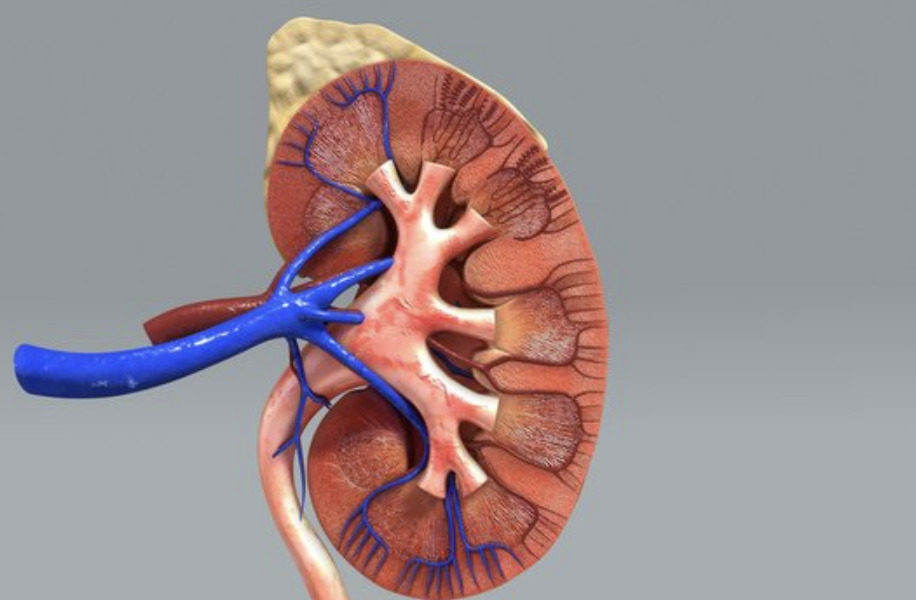
Radical nephrectomy is a surgical procedure that involves the complete removal of the affected kidney, including the surrounding fatty tissue (Gerota’s fascia), nearby lymph nodes, and, in some cases, the adrenal gland. This approach differs from partial nephrectomy, where only the diseased portion of the kidney is removed. The procedure is performed to treat kidney cancer (renal cell carcinoma) that hasn’t spread beyond the kidney capsule.
The surgery aims to remove cancerous tissue while preserving the function of the remaining healthy kidney. A single kidney can effectively filter blood and produce urine. The procedure may be performed through different surgical approaches, including traditional open surgery, laparoscopic techniques, or robot-assisted methods, depending on tumour characteristics and patient factors.
Radical nephrectomy is also occasionally considered for non-cancerous conditions such as kidney damage from infection, traumatic injury, or polycystic kidney disease that causes persistent symptoms. The decision to proceed with radical nephrectomy requires careful evaluation by a urologist to determine if it represents an appropriate treatment option.