Fraud Blocker

Same Day Appointments Available

Kidney Cysts Treatment
in Singapore

Discovering you have kidney cysts can cause concern, especially when detected during routine health screenings or whilst investigating other symptoms. These fluid-filled sacs that develop in or on the kidneys are quite common, particularly as we age. In Singapore, where regular health check-ups are prevalent, kidney cysts are often discovered incidentally during ultrasounds or CT scans performed for other reasons. Whilst most kidney cysts are benign and may require no treatment, understanding your specific situation and knowing when medical intervention might be necessary can help provide information and support kidney health management.

doctor img
Dr. Nor Azhari Bin Mohd Zam

MBBS (NUS)|MRCS (Edin.)|MMed Surgery (NUS)|FAMS (Urology)

Kidney Cyst in Singapore Kidney Cysts in Singapore

What are Kidney Cysts?

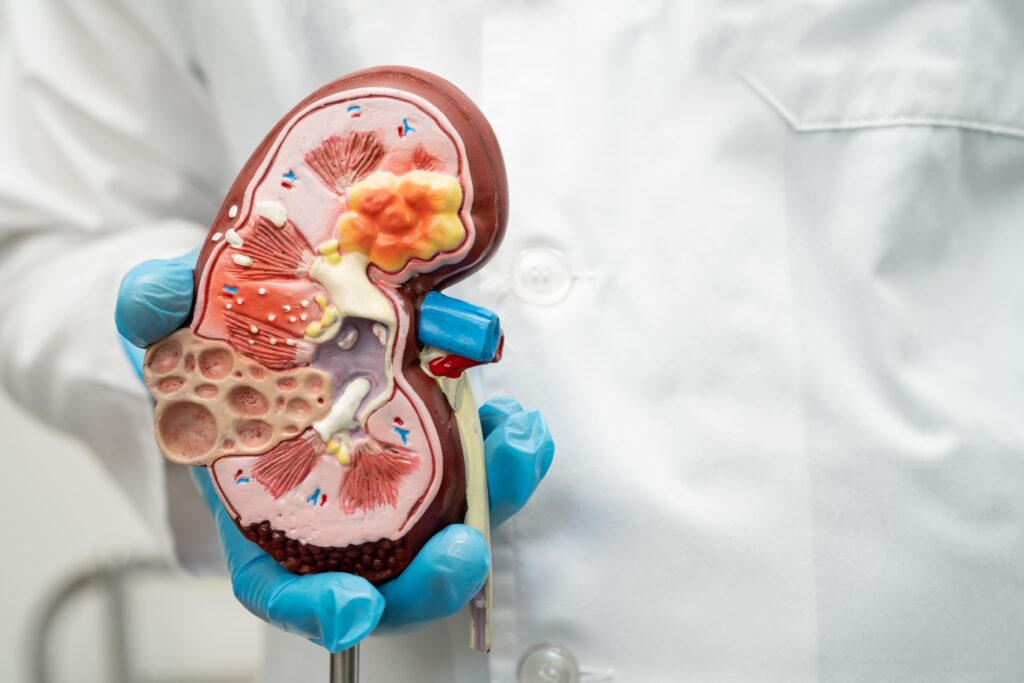
Kidney cysts are round pouches of fluid that form in or on the kidneys. These sacs can range from microscopic in size to several centimetres in diameter. Simple kidney cysts, which are the most common type, contain clear fluid and have thin walls without any irregularities. Simple kidney cysts may be found in individuals over 40 years old, with occurrence potentially increasing with age. Unlike kidney disease that affects overall kidney function, most cysts are isolated findings that don’t interfere with how the kidneys filter waste from blood. Understanding the nature of kidney cysts can help determine whether monitoring or treatment may be needed. For tailored evaluation and follow-up, consult a urologist experienced in kidney cyst treatment in Singapore.

*Individual results and timelines may vary.*

Types of Kidney Cysts

  • Simple Kidney Cysts

    Simple cysts are the most common type, characterised by thin walls and clear fluid content. These benign cysts typically don’t cause symptoms and rarely require treatment unless they grow large enough to cause discomfort.

  • Complex Kidney Cysts

    Complex cysts have irregular walls, thick septa (dividing walls), or solid components within them. These require careful evaluation as they carry a higher risk of being cancerous, classified using the Bosniak system from Category I (benign) to Category IV (likely malignant).

  • Polycystic Kidney Disease (PKD)

    This genetic disorder causes numerous cysts to develop throughout both kidneys. Unlike simple cysts, PKD progressively enlarges the kidneys and can lead to kidney failure over time. There are two main forms: autosomal dominant PKD (adult-onset) and autosomal recessive PKD (childhood-onset)

  • Acquired Cystic Kidney Disease

    This type develops in patients with chronic kidney disease, particularly those on long-term dialysis. Multiple cysts form in kidneys that were previously normal or had minimal cyst formation.

  • Medullary Sponge Kidney

    A congenital disorder where cysts develop in the collecting ducts of the kidneys. While present from birth, symptoms often don’t appear until adulthood and may include kidney stones and urinary tract infections.

Causes & Risk Factors

Causes

The exact cause of simple kidney cysts remains unclear, though several mechanisms are understood:

  • Weakening of kidney tissue with age allows fluid-filled pouches to form
  • Obstruction of tiny tubules within the kidney leading to fluid accumulation
  • Genetic mutations causing inherited forms like polycystic kidney disease
  • Chronic kidney disease altering kidney structure over time
  • Previous kidney infections or injuries creating areas prone to cyst formation
Risk Factors

Several factors may increase the likelihood of developing kidney cysts:

  • Age (risk may increase with advancing years)
  • Male gender (men may be more commonly affected than women)
  • Hypertension (high blood pressure)
  • Family history of kidney cysts or polycystic kidney disease
  • Chronic kidney disease or kidney failure
  • Long-term dialysis treatment
  • Previous kidney infections or trauma
  • Certain genetic syndromes (von Hippel-Lindau disease, tuberous sclerosis)

Individual risk factors and their significance may vary between patients.

Signs & Symptoms

Mild Symptoms

  • Dull aching in the back or side
  • Feeling of fullness in the abdomen
  • Mild discomfort when lying on affected side
  • Occasional mild pain that comes and goes
  • Slightly increased urination frequency

Moderate Symptoms

  • Persistent pain in back, side, or upper abdomen
  • Noticeable abdominal swelling or mass
  • Blood in urine (haematuria) visible to naked eye
  • Recurring urinary tract infections
  • Elevated blood pressure readings
  • Decreased appetite or early satiety

Severe Symptoms

  • Intense, sudden pain (suggesting cyst rupture or bleeding)
  • High fever with chills (indicating infection)
  • Inability to urinate or significantly reduced urine output
  • Severe nausea and vomiting
  • Kidney function changes
  • Signs of kidney impairment (swelling, confusion, extreme fatigue)

Many simple kidney cysts produce no symptoms and are discovered incidentally. Symptoms may appear when cysts grow larger or develop complications.

Experiencing these symptoms?

Consult with an MOH-accredited urologist for an accurate diagnosis and treatment plan.

When to See a Doctor

Seek immediate medical attention if you experience sudden, severe flank pain, blood in your urine, or fever with back pain, as these may indicate cyst complications requiring urgent treatment. Schedule a consultation with a urologist if you have persistent dull pain in your back or sides, recurring urinary tract infections, or if kidney cysts were detected during imaging for another condition. Even symptomless cysts discovered incidentally warrant evaluation to establish their nature and determine appropriate monitoring intervals.

During your first consultation, the urologist will review your medical history, perform a physical examination, and analyse any existing imaging studies. They may assess the cyst’s characteristics using the Bosniak classification system for complex cysts and determine whether additional testing or treatment might be needed. The consultation provides an opportunity to discuss your concerns, understand your specific situation, and develop a management plan.

Early evaluation is particularly important for complex cysts, multiple cysts, or if you have a family history of kidney disease. Timely assessment can help ensure appropriate monitoring and intervention when necessary, which may help prevent potential complications and support kidney function.

*Individual results and timelines may vary.*

Diagnosis & Testing Methods

Ultrasound Scanning

Ultrasound is typically the first imaging test performed due to its safety and accessibility. This non-invasive procedure uses sound waves to create images of the kidneys, showing cyst size, location, and whether they’re simple or complex. No preparation is required.

CT Scan with Contrast

Computed tomography provides detailed cross-sectional images of the kidneys. When performed with intravenous contrast, it can differentiate between simple and complex cysts, detect solid components, and assess blood flow patterns. Patients may need to fast before the scan.

MRI Scanning

Magnetic resonance imaging offers soft tissue contrast without radiation exposure. It can be useful for characterising complex cysts and differentiating fluid types within cysts. The procedure involves specialised sequences that can detect blood products or protein content

Blood and Urine Tests

Laboratory tests assess kidney function through creatinine and blood urea nitrogen levels. Urinalysis checks for blood, protein, or infection. Genetic testing may be recommended if polycystic kidney disease is suspected based on family history or multiple cysts.

Kidney Function Tests

Glomerular filtration rate (GFR) calculation evaluates kidney function. Urine collection may be performed to assess protein loss and kidney filtering capacity. These tests help determine if cysts are affecting kidney performance.

*Individual results and timelines may vary.*

Treatment Options Overview

Active Surveillance

Most simple kidney cysts require only periodic monitoring through imaging. Regular ultrasounds may be recommended to track cyst size and detect any changes in appearance. This approach avoids unnecessary intervention whilst ensuring timely action if complications develop.

Medications for Symptom Management

Pain relief medications ranging from paracetamol to stronger analgesics may help manage discomfort from large cysts. Antibiotics can treat cyst infections, whilst blood pressure medications may be prescribed if hypertension develops. For polycystic kidney disease, specific medications like tolvaptan may help slow cyst growth and support kidney function.

Aspiration and Sclerotherapy

This minimally invasive procedure involves draining the cyst using a needle guided by ultrasound or CT imaging. After fluid removal, a sclerosing agent like alcohol may be injected to help prevent refilling. The procedure is performed under local anaesthesia. Patients can usually return home the same day, though cyst recurrence may occur in some cases.

*Individual results and timelines may vary.*

Laparoscopic Cyst Decortication

For symptomatic cysts that recur after aspiration or are located peripherally, laparoscopic surgery can remove the cyst wall. Through small incisions, the surgeon excises the outer wall of the cyst, allowing fluid to drain into the abdominal cavity where it’s absorbed. This approach may offer lower recurrence rates than aspiration and typically requires hospitalisation.

*Individual results and timelines may vary.*

Percutaneous Cyst Ablation

Using image guidance, a probe may be inserted directly into the cyst to deliver radiofrequency or microwave energy, destroying the cyst lining. This technique can be effective for cysts in challenging locations. Recovery varies by individual, with many patients able to resume normal activities within several days.

*Individual results and timelines may vary.*

Partial Nephrectomy

When complex cysts show suspicious features or confirmed malignancy, surgical removal of the cyst along with a margin of normal kidney tissue may be necessary. Modern techniques aim to preserve healthy kidney tissue whilst ensuring complete removal of concerning areas. This can be performed laparoscopically or robotically in suitable cases.

Management of Polycystic Kidney Disease

PKD requires comprehensive management including blood pressure control, dietary modifications, and regular monitoring of kidney function. Newer targeted therapies may help slow cyst growth and disease progression. Advanced cases may eventually require dialysis or kidney transplantation.

Every patient’s condition is unique.

Our MOH-accredited urologist will assess your specific situation and recommend the most suitable treatment approach for you.

Complications if Left Untreated

Untreated kidney cysts may lead to several complications, though most simple cysts remain stable without intervention. Large cysts may continue growing, potentially causing persistent pain, obstructing urine flow, or compressing surrounding organs. Infected cysts (pyocysts) can develop into abscesses that may require emergency drainage and antibiotic treatment. Cyst rupture, while rare, causes sudden pain and may lead to bleeding into the retroperitoneal space.

Complex cysts with suspicious features that go unmonitored carry the risk of harbouring or developing into kidney cancer. Complex cysts may have varying degrees of malignancy potential depending on their classification. Delayed diagnosis and treatment of cancerous cysts can allow spread beyond the kidney, potentially affecting prognosis.

For patients with polycystic kidney disease, lack of proper management may accelerate kidney function decline. Uncontrolled blood pressure can damage remaining healthy kidney tissue. Without appropriate monitoring and treatment, PKD may progress to end-stage kidney disease that could require dialysis or transplantation. PKD-related complications like liver cysts, brain aneurysms, and heart valve problems may go undetected without regular screening.

*Individual results and timelines may vary.*

Preventing Kidney Cyst

While simple kidney cysts related to ageing cannot be prevented, several measures may help reduce risk or slow progression. Maintaining healthy blood pressure through diet, exercise, and medication when needed can help protect kidney tissue from damage that could promote cyst formation. Limiting sodium intake may help control blood pressure and reduce kidney strain.

Staying well-hydrated helps kidneys function and may help prevent cyst infections. Avoiding nephrotoxic substances including excessive NSAIDs, certain antibiotics, and contrast dyes when possible can help protect kidney health. Regular health screenings enable early detection of kidney problems before symptoms develop.

For those with family history of polycystic kidney disease, genetic counselling provides information about inheritance patterns and risk to offspring. While PKD cannot be prevented in those who inherit the gene, early diagnosis allows management to help slow progression.

Lifestyle modifications including maintaining healthy weight, avoiding smoking, and limiting caffeine intake may help reduce cyst growth in PKD patients.

*Individual results and timelines may vary.*

Frequently Asked Questions

Are kidney cysts cancerous?

Most kidney cysts are benign simple cysts containing only clear fluid and pose no cancer risk. Complex cysts with thick walls, internal septations, or solid components require careful evaluation as they may carry varying degrees of malignancy risk. Your urologist will use the Bosniak classification system to assess complex cysts and determine appropriate management. Regular monitoring may help detect any changes early.

Can kidney cysts disappear on their own?

Simple kidney cysts rarely disappear spontaneously, though some may decrease in size over time. Small cysts occasionally rupture and resolve without symptoms. Most cysts remain stable or grow slowly over years. Haemorrhagic cysts (containing blood) may shrink as blood products are reabsorbed. Appropriate monitoring can track changes and help determine when intervention might be necessary.

Will kidney cysts affect my kidney function?

Simple kidney cysts, even multiple ones, typically don’t affect kidney function as they don’t damage functioning kidney tissue. Your kidneys have significant reserve capacity and can function normally even with several cysts present. Large cysts may compress healthy tissue, and infected cysts can cause kidney damage if untreated. Polycystic kidney disease differs significantly, progressively replacing normal kidney tissue with cysts and potentially affecting function. Regular kidney function tests can help monitor any impact.

How often should kidney cysts be monitored?

Monitoring frequency depends on cyst characteristics. Simple cysts may require only initial characterisation without follow-up unless symptoms develop. Larger simple cysts typically need ultrasound monitoring. Complex cysts may require more frequent monitoring, with surveillance schedules varying based on classification. Your urologist will establish a personalised surveillance schedule based on your specific situation.

*Individual monitoring requirements may vary.*

What activities should I avoid with kidney cysts?

Most people with simple kidney cysts can maintain normal activities without restrictions. Contact sports carry a theoretical risk of cyst rupture from direct trauma, though this is uncommon. If you have large cysts causing discomfort, high-impact activities may worsen pain. Heavy lifting might increase discomfort from large cysts. Stay well-hydrated during physical activity and avoid activities causing pain. Your urologist can provide specific guidance based on your cyst size and location.

Is kidney cyst treatment painful?

Treatment discomfort varies by procedure type. Aspiration involves local anaesthetic injection followed by needle insertion, causing mild discomfort similar to a blood draw. Laparoscopic surgery is performed under general anaesthesia, with post-operative pain managed with medications. Patients may experience mild to moderate post-laparoscopic pain, which typically improves within several days. Percutaneous ablation causes minimal discomfort. Your medical team aims to ensure comfort throughout any procedure with appropriate pain management.

Individual pain experiences may vary.

Can dietary changes help with kidney cysts?

Diet cannot eliminate existing cysts, but certain modifications may help prevent complications and potentially slow progression in some cases. Reducing sodium intake can help control blood pressure, protecting remaining kidney function. For PKD patients, limiting caffeine may help slow cyst growth. Adequate hydration can help prevent cyst infections and kidney stones. A balanced diet low in processed foods and high in fruits and vegetables supports overall kidney health. Your urologist may recommend consultation with a dietitian for personalised nutritional guidance.

*Individual dietary needs may vary.*

Conclusion

Kidney cysts are a finding that ranges from incidental simple cysts requiring no treatment to complex cases needing medical care. Understanding your specific type of kidney cyst, its potential implications, and available treatment options may help you make informed decisions about your kidney health. Whilst many kidney cysts are benign and remain asymptomatic, proper evaluation and monitoring can help ensure timely intervention when necessary. With modern diagnostic techniques and kidney cyst treatment in Singapore, these conditions can be managed whilst preserving kidney function and quality of life. For comprehensive evaluation and management, consulting a urology specialist in Singapore ensures appropriate diagnosis and personalised care based on your condition.

Take the First Step Towards Better Health

Living with kidney cysts can be concerning, but you don’t have to face it alone. Dr Azhari has extensive experience diagnosing and treating kidney cysts using evidence-based approaches. If required, Dr Azhari can perform laparoscopic surgery (key hole surgery) to remove cysts with minimal pain and quick recovery.

Dr. Nor Azhari Bin Mohd Zam

Dr. Nor Azhari Bin Mohd Zam

MBBS (NUS)|MRCS (Edin.)|MMed Surgery (NUS)|FAMS (Urology)

With more than 15 years experience as a certified Urologist, Dr Nor Azhari specializes in treating a wide range of kidney, bladder and prostate conditions as well as disorders of the male reproductive organs.

He offers minimally invasive treatment options and provides same-day appointments for convenience.

  • Skilled urologist and kidney stone surgeon.
  • Director of Endourology (Urinary stone service) at Singapore General Hospital – 2016 to 2023.
  • Recognized with the College of Surgeons Gold Medal and Singapore Urological Association Book prize.
  • Minimally invasive treatment options available (non-invasive and endoscopic/key-hole techniques).

Make an Enquiry

For urgent or same day appointment requests, please call our hotline.

    Full Name*

    Email Address*

    Phone Number*

    Your Message*

    For Faster Response, call us!

    +65‎ 6334‎ 1486

    Our Clinic Locations

    Asian Healthcare Specialists (Novena)

    Mount Elizabeth Novena Specialist Centre
    38 Irrawaddy Road
    #08-41 Singapore 329563

    Asian Healthcare Specialists (Alvernia)

    Mount Alvernia Hospital
    820 Thomson Road Medical Centre Block A #05-03 Singapore 574623