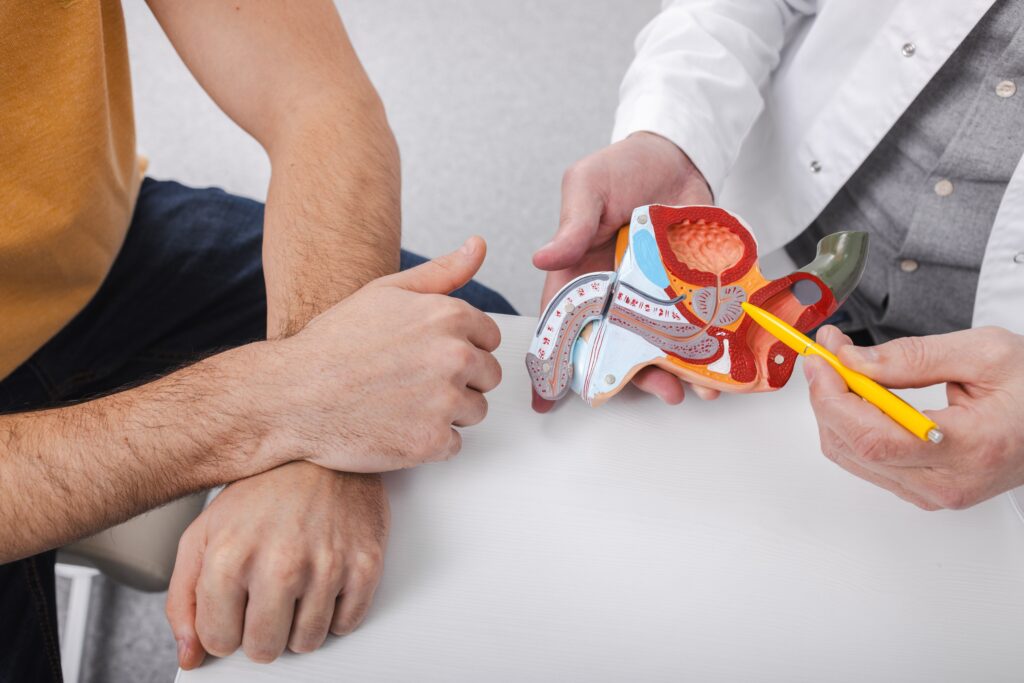
Radical cystectomy is a major surgical procedure that removes the bladder and surrounding tissues. In men, this includes the bladder, prostate, seminal vesicles, and surrounding lymph nodes. In women, the surgery removes the bladder, uterus, ovaries, fallopian tubes, part of the vaginal wall, and regional lymph nodes. This approach aims to remove cancerous tissue while addressing the risk of cancer spread to nearby organs.
The procedure is primarily performed to treat muscle-invasive bladder cancer that has penetrated the bladder wall or high-grade cancers that haven’t responded to other treatments. Following bladder removal, urologists create an alternative method for urine storage and elimination, called urinary diversion. This reconstruction allows patients to maintain urinary function through different pathways.
Radical cystectomy represents a significant surgical intervention and is a treatment option for invasive bladder cancer. The procedure has evolved over the years, with modern surgical techniques and enhanced recovery protocols that may help improve surgical outcomes and quality of life after surgery.
Individual results and timelines may vary. This treatment is administered as part of a comprehensive plan supervised by a urologist.