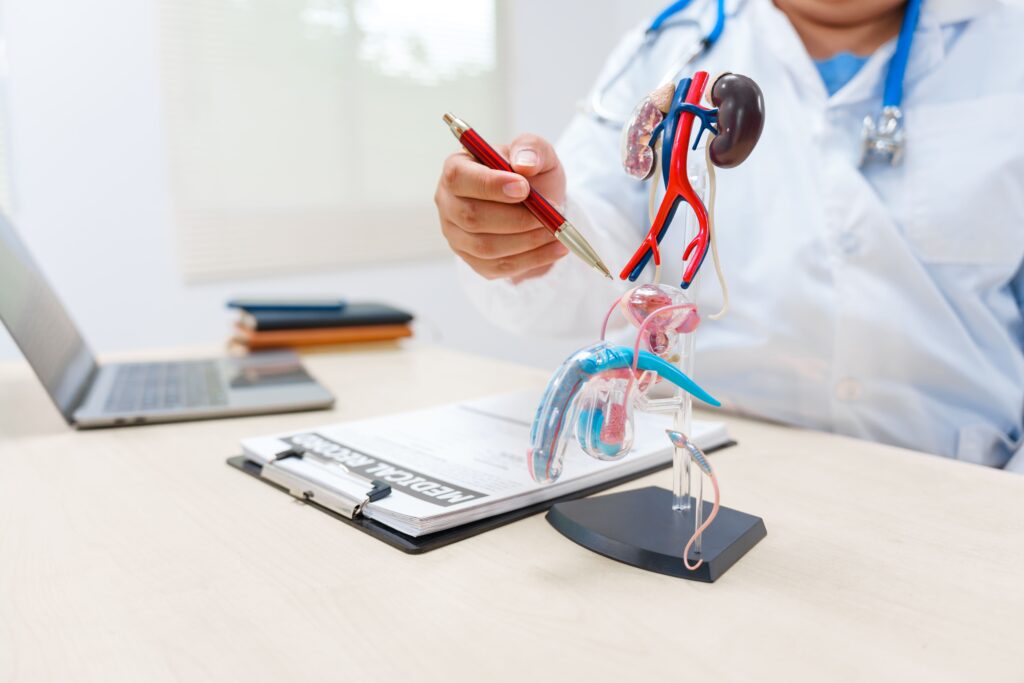
A prostate biopsy is a medical procedure where small tissue samples are collected from the prostate gland for laboratory examination. The prostate is a walnut-sized gland located below the bladder that produces fluid that makes up semen. During the biopsy, a needle extracts cores of prostate tissue, which are then examined under a microscope by a pathologist to check for cancer cells or other abnormalities.
This procedure may be recommended when other tests, such as elevated PSA (Prostate-Specific Antigen) levels or abnormal digital rectal examination findings, suggest potential prostate problems. The biopsy can provide information about whether cancer is present, and if so, its characteristics.
Prostate biopsies are performed as day procedures, meaning patients can typically return home the same day. The procedure has evolved over the years, with various techniques available to support diagnostic accuracy and patient comfort. Individual experiences and outcomes may vary.