Fraud Blocker

Same Day Appointments Available

Bladder Conditions – Urology Specialist Singapore

If you’re experiencing bladder discomfort, frequent urination, or other urinary symptoms, you understand how these issues can impact your daily life and well-being. Bladder conditions affect many people, yet some delay seeking treatment due to embarrassment or uncertainty about their symptoms. At our clinic, Dr Azhari provides diagnosis and treatment for bladder conditions, from common infections to complex disorders. Using modern diagnostic techniques and evidence-based treatments, we provide comprehensive care tailored to each patient’s specific needs, which may help support bladder function and quality of life.

doctor img
Dr. Nor Azhari Bin Mohd Zam

MBBS (NUS)|MRCS (Edin.)|MMed Surgery (NUS)|FAMS (Urology)

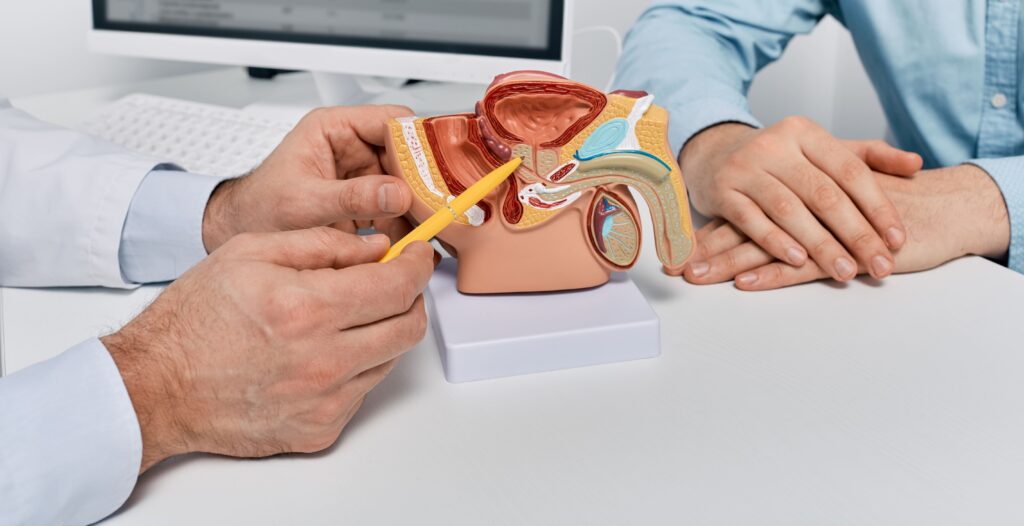
doctor consulting man patient with suspected prost 2025 09 14 15 52 30 utc Bladder Conditions – Urology Specialist Singapore

What are Bladder Conditions?

Bladder conditions are disorders affecting the organ that stores and releases urine. The bladder is a hollow, muscular organ in the pelvis that expands as it fills with urine from the kidneys and contracts during urination. When bladder function is compromised by infection, structural problems, nerve damage, or other factors, it can cause uncomfortable symptoms and health complications. Bladder conditions such as urinary tract infections and overactive bladder can affect individuals of various ages.

Common Types of Bladder Conditions

Urinary Tract Infections (UTIs)

UTIs occur when bacteria enter the urinary system, causing bladder inflammation (cystitis). These infections are common in women due to anatomical factors and can range from simple infections to complicated cases requiring medical treatment.

Overactive Bladder (OAB)

OAB is characterised by sudden, frequent urges to urinate that may be difficult to control. This condition affects bladder muscle control and can occur with or without urinary incontinence, potentially impacting daily activities and sleep quality.

Bladder Stones

These are hard masses of minerals that form in the bladder when concentrated urine crystallises. Bladder stones can develop when the bladder doesn’t empty completely and may cause pain, difficulty urinating, and blood in urine.

Interstitial Cystitis/Bladder Pain Syndrome

This chronic condition causes bladder pressure, bladder pain, and sometimes pelvic pain. The pain ranges from mild discomfort to severe, and unlike UTIs, it occurs without bacterial infection.

Bladder Cancer

Bladder cancer typically begins in the cells lining the inside of the bladder. It is a recognised form of cancer that can affect some adults and those with certain risk factors.

Neurogenic Bladder

This condition results from nerve damage that affects bladder control. It can be caused by conditions such as spinal cord injuries, multiple sclerosis, Parkinson’s disease, or diabetes.

Causes & Risk Factors

Causes

Bladder conditions can develop from various underlying causes:

  • Bacterial infections: Commonly, E. coli bacteria from the digestive tract
  • Bladder outlet obstruction: Enlarged prostate in men or pelvic organ prolapse in women
  • Nerve damage: From diabetes, stroke, spinal injuries, or neurological diseases
  • Chronic inflammation: Due to repeated infections, irritants, or autoimmune responses
  • Cellular changes: Abnormal cell growth that may lead to tumours or cancer
  • Bladder muscle dysfunction: Weakening or overactivity of bladder muscles
  • Chemical irritants: Certain medications, foods, or environmental toxins

Risk Factors

Several factors may increase the likelihood of developing bladder conditions:

  • Gender: Women may face higher UTI risk; men may have increased risk of obstruction-related issues
  • Age: Risk may increase with age for bladder conditions
  • Previous urinary tract infections: Recurrent infections may increase risk of complications
  • Sexual activity: Can introduce bacteria and may increase UTI risk
  • Menopause: Hormonal changes can affect bladder and urethral tissues
  • Diabetes: May affect nerve function and increase infection risk
  • Smoking: Risk factor for bladder cancer
  • Chronic catheter use: May increase infection and stone formation risk
  • Family history: Genetic predisposition to certain bladder conditions
  • Certain medications: Some drugs may irritate the bladder or affect its function
  • Radiation therapy: Previous pelvic radiation may increase bladder problems

Signs & Symptoms

Mild Symptoms
  • Increased urinary frequency
  • Mild burning sensation during urination
  • Feeling of incomplete bladder emptying
  • Urgency to urinate
  • Bladder discomfort or pressure
  • Nighttime urination
  • Small amounts of urine leakage with coughing or sneezing
Moderate Symptoms
  • Strong, sudden urges to urinate
  • Burning pain throughout urination
  • Cloudy or strong-smelling urine
  • Frequent nighttime urination
  • Pelvic pain or pressure
  • Difficulty starting the urine stream
  • Weak or interrupted urine flow
  • Recurring UTIs
Severe Symptoms
  • Blood in urine (haematuria)
  • Pelvic or back pain
  • Complete inability to urinate (retention)
  • High fever with urinary symptoms
  • Uncontrollable urine leakage
  • Bladder pain
  • Abdominal swelling
  • Nausea and vomiting with urinary symptoms

Experiencing these symptoms?

Consider consulting with Dr Azhari for proper evaluation and diagnosis.

When to See a Urologist

Seek immediate medical attention if you experience blood in your urine, severe pelvic or back pain, complete inability to urinate, or fever above 38.5°C with urinary symptoms. These symptoms may indicate conditions requiring urgent treatment. Schedule a consultation if you have recurrent UTIs, persistent urinary symptoms lasting over a week, or bladder symptoms interfering with daily activities, work, or sleep.

Early consultation may be beneficial for symptoms that gradually worsen over time, as these may indicate progressive conditions. During your first visit, a urologist will conduct a thorough medical history review, perform a physical examination, and may request urine tests or imaging studies. The consultation provides an opportunity to discuss your symptoms in a confidential setting, helping determine an appropriate diagnostic approach and treatment plan for your specific condition.

*Individual results and timelines may vary.*

Diagnosis & Testing Methods

Accurate diagnosis of bladder conditions begins with a comprehensive clinical evaluation. A urologist will review your medical history, current medications, and symptom patterns. A physical examination, including abdominal and pelvic assessment, helps identify tenderness, masses, or structural abnormalities.

  • Urinalysis is typically the first diagnostic test, examining urine for bacteria, blood cells, proteins, and other substances. A urine culture identifies specific bacteria causing infections and determines antibiotic sensitivity. These tests require a clean-catch midstream urine sample.
  • Bladder ultrasound provides non-invasive imaging to assess bladder structure, measure post-void residual urine, and detect stones or masses. This procedure requires a full bladder.
  • Cystoscopy involves inserting a thin camera through the urethra to directly visualise the bladder lining, which may be used for diagnosing interstitial cystitis, bladder tumours, or structural abnormalities. The procedure may be performed with a local anaesthetic.
  • Urodynamic testing evaluates bladder function by measuring pressure, flow rates, and muscle activity during filling and emptying. This test may help diagnose overactive bladder, neurogenic bladder, and outlet obstruction.
  • Urine cytology examines cells shed into urine for suspected bladder cancer whilst CT urography provides detailed imaging of the entire urinary system.

Treatment Options Overview

Oral Medications

Antibiotics may be prescribed for bacterial bladder infections, with specific medications selected based on culture results and sensitivity testing. Treatment duration can vary based on the complexity of the infection. Anticholinergic medications and beta-3 agonists can help manage an overactive bladder by relaxing bladder muscles and reducing urgency.

Intravesical Therapy

This treatment involves instilling medication directly into the bladder through a catheter, allowing drug concentrations at the treatment site whilst minimising systemic effects. For interstitial cystitis, instillations may include dimethyl sulfoxide (DMSO), heparin, or lidocaine combinations. Bladder cancer treatment may involve BCG immunotherapy or chemotherapy agents.

Bladder Botulinum Toxin Injections

Botulinum toxin injections into the bladder muscle can help treat an overactive bladder and a neurogenic bladder when oral medications may be insufficient. The procedure involves cystoscopy-guided injections at multiple sites and may provide symptom relief.

Neuromodulation Therapy

Sacral neuromodulation uses mild electrical pulses to modulate nerve signals between the bladder and brain, which may help improve bladder control. This involves implanting a small device, with a trial period to assess effectiveness before permanent implantation. Percutaneous tibial nerve stimulation offers an alternative approach, involving regular sessions initially.

Minimally Invasive Procedures

Transurethral resection can remove bladder tumours or stones through the urethra without external incisions. Laser lithotripsy breaks down bladder stones using laser energy, allowing fragments to pass naturally. These procedures may require day surgery admission. For bladder outlet obstruction in men, procedures like UroLift or Rezum may provide relief.

Surgical Interventions

Partial cystectomy removes a portion of the bladder for localised tumours whilst aiming to preserve bladder function. Radical cystectomy, reserved for advanced bladder cancer, involves complete bladder removal with urinary diversion creation. Bladder augmentation can increase bladder capacity using intestinal tissue for severe cases of neurogenic bladder or interstitial cystitis. Surgical options may be considered when conservative treatments are insufficient or for serious conditions.

Every patient’s condition is unique.

Our urologist will assess your specific situation and recommend the most suitable treatment approach for you.

Complications if Left Untreated

Untreated bladder conditions may progress to complications affecting kidney function and overall health. Chronic UTIs may ascend to the kidneys, causing pyelonephritis, which can lead to kidney damage or sepsis. Repeated infections may also increase the risk of antibiotic resistance, making future treatments more challenging.

Bladder outlet obstruction, whether from stones, tumours, or an enlarged prostate, can cause urine to back up into the kidneys (hydronephrosis), potentially resulting in kidney impairment. Chronic urinary retention may weaken bladder muscles over time, potentially causing bladder dysfunction even after obstruction removal.

Untreated overactive bladder may impact quality of life, potentially leading to social isolation, depression, skin problems from incontinence, and increased fall risk in elderly patients due to nighttime bathroom trips.

Bladder cancer, when detected early, may have favourable treatment outcomes. However, delays in diagnosis may allow progression from superficial to muscle-invasive disease, potentially affecting treatment outcomes and requiring more intensive treatment approaches, including bladder removal.

Prevention

Maintaining good bladder health involves several strategies. Adequate hydration helps flush bacteria from the urinary system – aim for 6-8 glasses of water daily unless medically restricted. Proper hygiene, particularly for women, includes wiping front to back and urinating after sexual activity to prevent bacterial introduction.

Avoid holding urine for extended periods, as this allows bacterial multiplication and weakens bladder muscles. Empty your bladder during each bathroom visit. Limit bladder irritants, including caffeine, alcohol, artificial sweeteners, and spicy foods, if you’re prone to bladder problems. Smoking cessation may reduce bladder cancer risk.

For recurrent UTIs, cranberry products may help prevent bacterial adhesion to bladder walls. Maintaining a healthy weight may reduce pressure on the bladder and pelvic floor. Pelvic floor exercises can strengthen muscles supporting bladder control, particularly for women after childbirth and men after prostate surgery. Regular medical check-ups enable early detection of bladder problems, particularly important for those with diabetes, neurological conditions, or a family history of bladder cancer.

Frequently Asked Questions

How do I know if my urinary symptoms indicate a bladder problem or something else?

Bladder conditions typically cause symptoms directly related to urination, such as frequency, urgency, burning, or incontinence. Similar symptoms can arise from prostate problems in men, gynaecological issues in women, or kidney conditions. A urologist will perform comprehensive testing to differentiate between various causes. Key indicators of bladder-specific problems include symptoms that worsen with bladder filling and improve after urination, along with negative tests for kidney or reproductive system issues.

Can bladder conditions be completely cured, or will I need long-term management?

Treatment outcomes vary depending on the specific condition. Bacterial UTIs typically may resolve with appropriate antibiotics. Bladder stones can be removed with good outcomes. Chronic conditions like overactive bladder or interstitial cystitis often require ongoing management, though symptoms can be effectively controlled. Early-stage bladder cancer may have favourable outcomes with appropriate treatment. A urologist will discuss realistic expectations based on your specific diagnosis and help develop a management strategy.

What lifestyle changes can help improve my bladder condition?

Dietary modifications may provide symptom relief. Maintaining a bladder diary helps identify personal triggers. Common approaches include reducing caffeine and alcohol intake, avoiding artificial sweeteners, and timing fluid intake to minimise nighttime urination. Weight loss may reduce bladder pressure, while pelvic floor exercises can strengthen bladder control. Stress management techniques may help since anxiety can worsen bladder symptoms. A urologist will provide personalised recommendations based on your condition and lifestyle factors.

re bladder tests painful or uncomfortable?

Bladder diagnostic tests generally cause minimal discomfort. Urine tests and ultrasounds are completely painless. Cystoscopy may cause mild discomfort during insertion, but local anaesthetic gel makes the procedure tolerable for patients. Some describe a strong urge to urinate during the procedure. Urodynamic testing may feel unusual, but it shouldn’t be painful. A urologist ensures your comfort throughout any procedure and can discuss sedation options if you’re particularly anxious about testing.

How quickly can I expect symptom improvement after starting treatment?

Treatment response varies by condition and intervention type. Antibiotic treatment for UTIs may show improvement within a few days. Overactive bladder medications may demonstrate effects within several weeks. Bladder Botox injections may show results within weeks. Surgical interventions for stones or obstructions may provide relief once recovery is complete. A urologist will provide timelines based on your treatment plan and monitor your progress.

What’s the difference between seeing a urologist versus a general practitioner for bladder problems?

General practitioners can manage simple UTIs and initial bladder symptom evaluation. Urologists have specialised training in complex bladder conditions, advanced diagnostic techniques, and surgical interventions. You should consider seeing a urologist for recurrent infections, blood in urine, suspected bladder cancer, failed initial treatments, or when symptoms impact quality of life. A urologist has experience with the spectrum of bladder conditions and access to specialised equipment for comprehensive diagnosis and treatment.

Conclusion

Bladder conditions, while common and often distressing, are treatable with appropriate medical care. From infections to complex disorders, modern urology offers various treatment options that can be tailored to each patient’s specific needs. Early diagnosis and appropriate treatment may help relieve symptoms and prevent potentially serious complications affecting kidney function and overall health. Our urologist combines experience with modern diagnostic and treatment technologies to provide comprehensive bladder care. Whether you’re dealing with recurring infections, an overactive bladder, or concerning urinary symptoms, professional evaluation can help ensure accurate diagnosis and appropriate treatment planning.

Take the First Step Towards Better Health

Living with bladder problems can be challenging, but you don’t have to face it alone. Dr Azhari has extensive experience diagnosing and treating various types of bladder conditions using current evidence-based approaches.

Dr. Nor Azhari Bin Mohd Zam

Dr. Nor Azhari Bin Mohd Zam

MBBS (NUS)|MRCS (Edin.)|MMed Surgery (NUS)|FAMS (Urology)

With more than 15 years experience as a certified Urologist, Dr Nor Azhari specializes in treating a wide range of kidney, bladder and prostate conditions as well as disorders of the male reproductive organs.

He offers minimally invasive treatment options and provides same-day appointments for convenience.

  • Skilled urologist and kidney stone surgeon.
  • Director of Endourology (Urinary stone service) at Singapore General Hospital – 2016 to 2023.
  • Recognized with the College of Surgeons Gold Medal and Singapore Urological Association Book prize.
  • Minimally invasive treatment options available (non-invasive and endoscopic/key-hole techniques).

Make an Enquiry

For urgent or same day appointment requests, please call our hotline.

    Full Name*

    Email Address*

    Phone Number*

    Your Message*

    For Faster Response, call us!

    +65‎ 6334‎ 1486

    Our Clinic Locations

    Asian Healthcare Specialists (Novena)

    Mount Elizabeth Novena Specialist Centre
    38 Irrawaddy Road
    #08-41 Singapore 329563

    Asian Healthcare Specialists (Alvernia)

    Mount Alvernia Hospital
    820 Thomson Road Medical Centre Block A #05-03 Singapore 574623