Fraud Blocker

Same Day Appointments Available

Urologist Services in Singapore

If you’re experiencing urinary problems such as frequent urination, painful urination, or blood in your urine, you’re not alone. Urinary conditions affect people and can impact daily life and overall well-being. In Singapore, Dr Azhari provides comprehensive diagnostic and treatment services for the full spectrum of urinary tract conditions. From common infections to complex kidney disorders, modern urology offers treatment approaches that may help manage urinary function and support your quality of life.

doctor img
Dr. Nor Azhari Bin Mohd Zam

MBBS (NUS)|MRCS (Edin.)|MMed Surgery (NUS)|FAMS (Urology)

Whisk_5eed94f3253e3c8a9ad4c619e7d10e5fdr Urologist Services in Singapore

What is Urology?

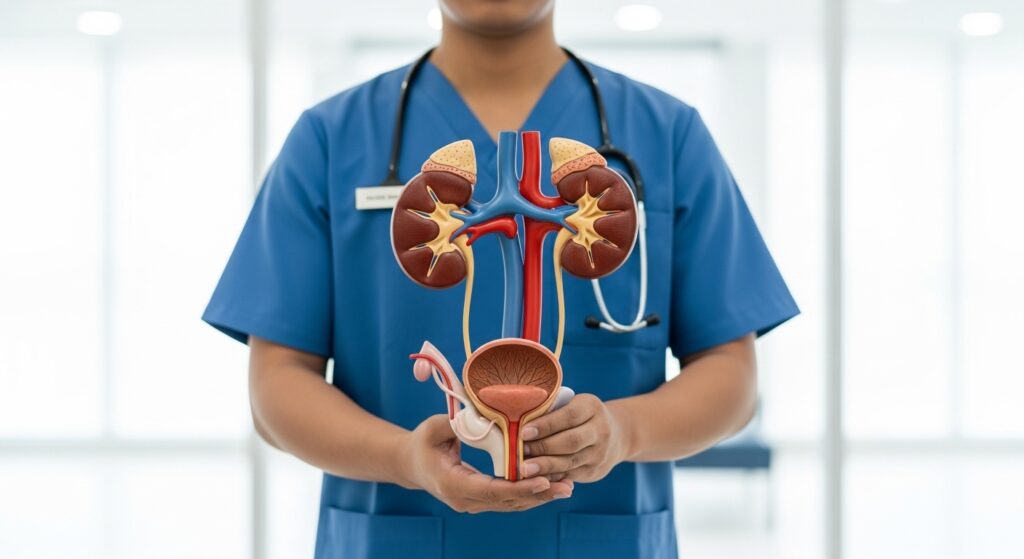
Urology is the medical speciality focused on the health of the urinary system, which includes the kidneys, ureters, bladder, and urethra. Urologists are trained physicians who diagnose and treat conditions affecting these organs in both men and women, as well as male reproductive system disorders. In Singapore, urologists complete training including medical school, surgical residency, and urology training. These healthcare professionals manage everything from urinary tract infections to kidney stones, bladder disorders, and urological cancers. The field combines medical management with surgical techniques, including minimally invasive procedures that may reduce recovery time.

Common Urinary Conditions We Treat

Urinary Tract Infections (UTIs)

UTIs occur when bacteria enter the urinary system, causing inflammation and infection. Women may be more susceptible due to their shorter urethra. Symptoms include burning during urination, frequent urge to urinate, and cloudy or strong-smelling urine. UTIs can be treated with antibiotics, whilst recurrent or complicated infections may require evaluation to identify underlying causes.

Kidney Stones

Kidney stones are hard deposits of minerals and salts that form inside the kidneys. These stones can cause pain when passing through the urinary tract. Treatment options range from medication to help pass small stones naturally to professional kidney stone removal procedures like shockwave lithotripsy or ureteroscopy for larger, more stubborn stones.

Overactive Bladder (OAB)

OAB causes a sudden, intense urge to urinate that can be difficult to control. This condition can lead to frequent bathroom visits during the day and night, sometimes with involuntary urine leakage. The condition may respond to behavioural modifications, medications, and treatments like bladder botox injections.

Benign Prostatic Hyperplasia (BPH)

BPH is the enlargement of the prostate gland that commonly affects older men. The enlarged prostate can compress the urethra, causing difficulty starting urination, a weak urine stream, and incomplete bladder emptying. Whilst not cancerous, BPH can severely impact your quality of life if left untreated, making timely bph treatment in Singapore essential for restoring normal urinary function.

Urinary Incontinence

Urinary incontinence involves involuntary urine leakage and affects people of all ages. Types include stress incontinence (leakage during physical activity), urge incontinence (sudden, intense urge followed by involuntary loss), and mixed incontinence. Each type may require different treatment approaches.

Causes & Risk Factors

Common Causes

The causes of urinary conditions vary widely depending on the specific disorder. Bacterial infections cause most UTIs, typically when E. coli bacteria from the digestive tract enter the urethra. Kidney stones form when urine contains more crystal-forming substances than the fluid can dilute. Bladder dysfunction can result from nerve damage, muscle weakness, or structural abnormalities. Prostate enlargement occurs naturally with ageing as hormone levels change.

Risk Factors

  • Age: Many urinary conditions may become more common with advancing age
  • Gender: Women may face higher UTI risk; men may face prostate-related issues
  • Family history: Genetic predisposition to kidney stones and certain bladder conditions
  • Obesity: May increase pressure on the bladder and risk of incontinence
  • Diabetes: May affect nerve function and increase infection risk
  • Dehydration: May concentrate urine and promote stone formation
  • Certain medications: Some drugs may affect bladder function or promote stone formation
  • Previous urinary tract surgery or catheter use
  • Pregnancy and childbirth: May weaken pelvic floor muscles
  • Smoking: May irritate the bladder and increase cancer risk

Signs & Symptoms

Mild Symptoms
  • Increased frequency of urination
  • Mild discomfort during urination
  • Feeling of incomplete bladder emptying
  • Slight urgency to urinate
  • Occasional nighttime urination (1-2 times)
  • Mild lower abdominal discomfort
Moderate Symptoms
  • Burning or stinging sensation during urination
  • Strong, persistent urge to urinate
  • Passing frequent, small amounts of urine
  • Cloudy or strong-smelling urine
  • Difficulty starting urination
  • Weak or interrupted urine stream
  • Frequent nighttime urination (3-4 times)
  • Occasional urine leakage
Severe Symptoms
  • Blood in urine (visible pink, red, or cola-coloured)
  • Pain in the back, side, or lower abdomen
  • High fever with chills
  • Nausea and vomiting
  • Complete inability to urinate
  • Incontinence affecting daily activities
  • Pelvic pain or pressure

Experiencing these symptoms?

Consider scheduling a consultation with Dr Azhari for an accurate diagnosis and treatment plan.

When to See a Urologist

Consult a urologist if you experience persistent urinary symptoms lasting more than a few days, or immediately for severe symptoms. Red flag symptoms requiring urgent attention include visible blood in urine, severe pain that doesn’t improve with over-the-counter pain relievers, complete inability to urinate, or signs of infection like fever and chills combined with urinary symptoms.

Consider seeing a urologist if you have recurrent UTIs, difficulty controlling urination, or symptoms affecting your sleep and daily activities. Men may wish to discuss prostate health screening with their healthcare provider, especially if experiencing urinary changes. During your first consultation, the urologist will review your medical history, discuss symptoms in detail, and perform a physical examination. They may recommend initial tests like urinalysis or ultrasound to guide diagnosis and treatment planning.

Diagnosis & Testing Methods

Your urologist will ask detailed questions about your symptoms, their duration, and factors that may improve or worsen them. The physical examination may include abdominal palpation and, for men, a prostate examination.

  • Urine Tests: Urinalysis examines urine for signs of infection, blood, or abnormal cells. Urine culture can identify specific bacteria causing infections and determine antibiotic sensitivity. These tests can provide diagnostic information and may help guide treatment decisions.
  • Imaging Studies: Ultrasound uses sound waves to visualise the kidneys, bladder, and prostate without radiation exposure. CT scans can provide detailed images for detecting stones, tumours, or structural abnormalities. MRI can offer soft tissue detail for complex cases. X-rays with contrast dye (IVP) may show the flow of urine through the system.
  • Functional Tests: Uroflowmetry measures the speed and volume of urination to assess bladder and urethral function. Urodynamic studies can evaluate how the bladder, sphincters, and urethra work together. Cystoscopy involves inserting a thin camera through the urethra to directly visualise the bladder interior. Post-void residual measurement can check if the bladder empties completely.

Treatment Options Overview

Antibiotics

Antibiotics treat bacterial infections throughout the urinary tract. The specific antibiotic chosen depends on the bacteria identified and their sensitivity pattern. Treatment duration may vary for different types of infections. Preventive antibiotics may be prescribed for recurrent infections.

Alpha Blockers

Alpha blockers relax muscles in the prostate and bladder neck, which may improve urine flow in men with BPH. These medications, like tamsulosin or alfuzosin, may show improvement over time. They can be used for moderate symptoms and may be combined with other treatments.

Anticholinergics and Beta-3 Agonists

These medications aim to calm an overactive bladder by relaxing bladder muscles and reducing urgency. Options include oxybutynin, tolterodine, and mirabegron. They may help reduce frequency and urgency, though finding the right medication and dose may take time.

5-Alpha Reductase Inhibitors

These medications aim to reduce enlarged prostate tissue by blocking hormone conversion. Finasteride and dutasteride may help reduce prostate size over time. They may be suitable for men with enlarged prostates and could help prevent progression.

Shockwave Lithotripsy (ESWL)

ESWL uses focused sound waves to break kidney stones into smaller fragments that may pass naturally. This outpatient procedure requires no incisions and may be suitable for certain stone sizes. Patients may resume normal activities within days.

Ureteroscopy

This procedure involves passing a thin scope through the urethra and bladder to reach stones in the ureter or kidney. The urologist can remove or break up stones using laser energy. It may offer good outcomes for stones that don’t respond to ESWL.

Bladder Botox Injections

Botulinum toxin injections into the bladder muscle may help treat an overactive bladder and certain types of incontinence. The procedure takes approximately 20 minutes under local anaesthesia. Effects may last several months before repeat treatment is needed.

Prostate Artery Embolisation

This procedure aims to reduce prostate size by blocking blood flow to specific arteries. Performed by interventional radiologists, it may offer an alternative for men who aren’t surgical candidates. Recovery may be faster than traditional surgery with potential symptom improvement.

Transurethral Resection of Prostate (TURP)

TURP is an established surgical treatment for BPH. The surgeon removes excess prostate tissue through the urethra using an electrified wire loop. Many men may experience symptom improvement with long-term results.

Laser Prostate Surgery

Laser procedures like HoLEP (Holmium Laser Enucleation) or PVP (GreenLight) vaporise or remove prostate tissue with potentially less bleeding than traditional TURP. These techniques may offer shorter catheter time and faster recovery whilst aiming to achieve similar outcomes.

Percutaneous Nephrolithotomy (PCNL)

For large or complex kidney stones, PCNL involves making a small incision in the back to access and remove stones directly. Though more invasive than other options, it may offer good stone-free rates for large stones.

Sling Procedures

Surgical slings support the urethra to help prevent stress incontinence. These procedures place a synthetic mesh tape under the urethra through small incisions. These procedures may be suitable for appropriate candidates with stress incontinence.

Every patient’s condition is unique.

Our urologist will assess your specific situation and recommend the most suitable treatment approach for you.

Complications if Left Untreated

Untreated urinary conditions may lead to health complications. Chronic UTIs may spread to the kidneys, potentially causing pyelonephritis that could result in kidney damage or sepsis. Untreated kidney stones can obstruct urine flow, potentially leading to kidney damage or infections.

Bladder outlet obstruction from untreated BPH may cause acute urinary retention requiring emergency catheterisation. Over time, the bladder muscle may weaken or thicken, potentially leading to dysfunction. Some patients may develop bladder stones or recurrent infections. Chronic obstruction can cause backpressure on the kidneys, potentially affecting kidney function.

Untreated overactive bladder and incontinence may impact quality of life, potentially leading to social challenges and skin problems from moisture. Some individuals may limit activities due to these symptoms, which could affect physical and mental well-being.

Prevention

While not all urinary conditions are preventable, many risk factors can be modified to reduce your likelihood of developing problems.

  • Hydration and Diet: Drinking adequate water dilutes urine and flushes bacteria from the urinary tract. This measure may help reduce UTI and kidney stone risk. Consider limiting foods high in oxalates, sodium, and animal protein if prone to stones. Cranberry products may help prevent recurrent UTIs in some individuals.
  • Bladder Health Habits: Empty your bladder regularly rather than holding urine for extended periods. Urinate before and after sexual activity to flush bacteria. Women should wipe from front to back to prevent bacterial spread. Avoid irritants like caffeine, alcohol, and spicy foods if you have bladder sensitivity.
  • Lifestyle Modifications: Maintain a healthy weight to reduce pressure on the bladder and pelvic floor. Regular pelvic floor exercises (Kegels) can help strengthen muscles supporting bladder control. Quit smoking to reduce bladder irritation and cancer risk. Manage chronic conditions like diabetes that affect urinary health. Stay physically active to promote overall urinary tract health.

Consult with a healthcare professional for personalised advice regarding urinary health and prevention strategies.

Frequently Asked Questions

How do I know if I need to see a urologist versus my general practitioner?

Start with your GP for initial evaluation of mild urinary symptoms. They can treat simple UTIs and provide initial management for common conditions. You should schedule a visit with the best urologist in Singapore directly for alarming symptoms like blood in urine, recurrent infections, kidney stones, significant prostate symptoms, or incontinence affecting daily life. Your GP may refer you to a urologist if symptoms persist despite treatment or if specialised evaluation is needed.

What can I expect during my first urology consultation?

Your first visit typically lasts 30-45 minutes. The urologist will review your medical history, current medications, and symptoms in detail. They may perform a physical examination, which could include abdominal and genital examination, and for men, a prostate check. Basic tests like urinalysis are often done during the visit. The urologist will discuss initial findings and may schedule additional tests or start treatment based on the evaluation.

Are urological procedures painful?

Most diagnostic procedures cause minimal discomfort. Cystoscopy may cause temporary burning during urination. Minimally invasive treatments are performed with appropriate anaesthesia or sedation to ensure comfort. Post-procedure discomfort is usually mild and manageable with prescribed medications. Your urologist will discuss pain management options and what to expect for each specific procedure.

How long does it take to see improvement after starting treatment?

Timeline varies by condition and treatment. Antibiotics for UTIs may show improvement within a few days. Alpha blockers for BPH may improve symptoms over time. Procedures like TURP may show gradual improvement over several weeks as healing occurs. Bladder training and pelvic floor exercises may take several months to benefit. Your urologist will provide specific expectations based on your treatment plan.

Can urinary problems affect fertility?

Some urological conditions can impact fertility, particularly in men. Infections, varicoceles, and obstruction can affect sperm production or delivery. Certain medications for urinary symptoms may temporarily affect sexual function. If you’re planning for pregnancy, discuss fertility concerns with your urologist, who can modify treatment plans or coordinate with fertility specialists as needed.

What lifestyle changes help manage chronic urinary conditions?

Lifestyle modifications may include maintaining consistent fluid intake spread throughout the day, avoiding bladder irritants, practising timed voiding schedules, and performing regular pelvic floor exercises. Weight management may help improve incontinence and BPH symptoms. Stress management techniques may help with an overactive bladder. Your urologist can provide personalised recommendations based on your specific condition and lifestyle factors.

Conclusion

Living with urinary problems can be challenging, but treatment options are available for urological conditions. From medications to minimally invasive procedures, modern urology offers approaches that may be suitable for different needs and circumstances. Early evaluation and treatment can help prevent complications and may support quality of life. Qualified urologists have training in diagnostic and treatment approaches for urological care. Urinary symptoms can impact daily activities.


Consider Professional Evaluation

Living with urinary problems can be challenging, but professional support is available. Dr Azhari has extensive experience in diagnosing and treating urinary conditions using evidence-based approaches

Dr. Nor Azhari Bin Mohd Zam

Dr. Nor Azhari Bin Mohd Zam

MBBS (NUS)|MRCS (Edin.)|MMed Surgery (NUS)|FAMS (Urology)

With more than 15 years experience as a certified Urologist, Dr Nor Azhari specializes in treating a wide range of kidney, bladder and prostate conditions as well as disorders of the male reproductive organs.

He offers minimally invasive treatment options and provides same-day appointments for convenience.

  • Skilled urologist and kidney stone surgeon.
  • Director of Endourology (Urinary stone service) at Singapore General Hospital – 2016 to 2023.
  • Recognized with the College of Surgeons Gold Medal and Singapore Urological Association Book prize.
  • Minimally invasive treatment options available (non-invasive and endoscopic/key-hole techniques).

Make an Enquiry

For urgent or same day appointment requests, please call our hotline.

    Full Name*

    Email Address*

    Phone Number*

    Your Message*

    For Faster Response, call us!

    +65‎ 6334‎ 1486

    Our Clinic Locations

    Asian Healthcare Specialists (Novena)

    Mount Elizabeth Novena Specialist Centre
    38 Irrawaddy Road
    #08-41 Singapore 329563

    Asian Healthcare Specialists (Alvernia)

    Mount Alvernia Hospital
    820 Thomson Road Medical Centre Block A #05-03 Singapore 574623