Fraud Blocker

Same Day Appointments Available

Testicular Health Services in Singapore

Men experiencing testicular discomfort, swelling, or abnormalities often delay seeking medical attention due to embarrassment or uncertainty. At our urology clinic, we understand these concerns and provide discreet, professional care for all testicular conditions. Dr Azhari offers comprehensive evaluation and treatments in a comfortable, private setting. Early assessment of testicular symptoms may help prevent complications and provide peace of mind through accurate diagnosis and appropriate management.

doctor img
Dr. Nor Azhari Bin Mohd Zam

MBBS (NUS)|MRCS (Edin.)|MMed Surgery (NUS)|FAMS (Urology)

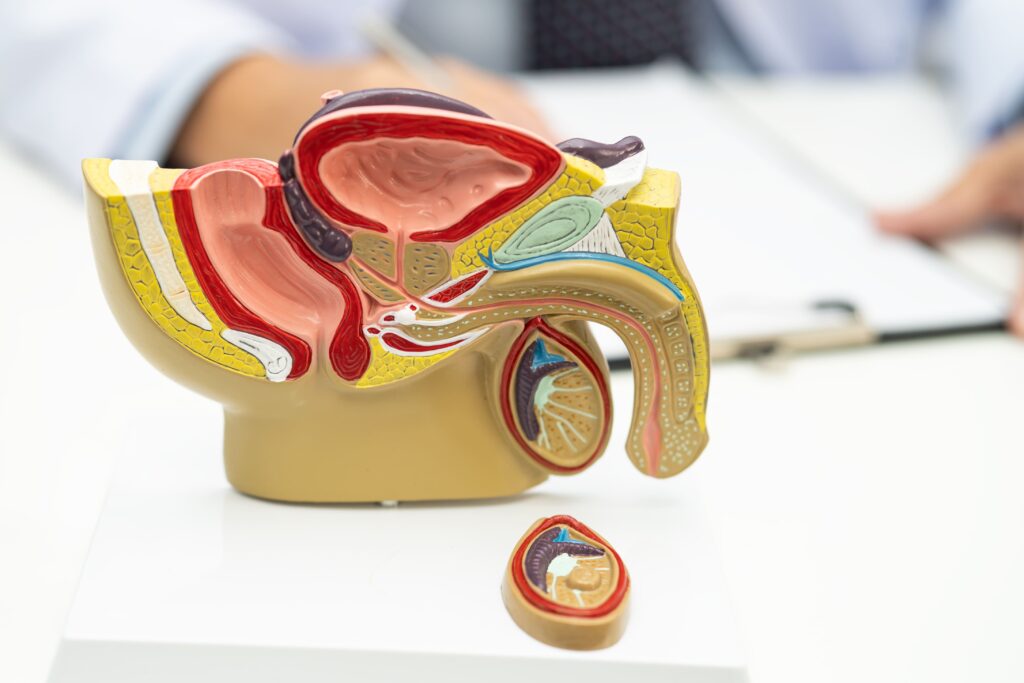
male reproductive system asian doctor holding hum 2025 10 08 12 35 15 utc Testis Conditions

What are Testicular Conditions?

Testicular conditions are disorders affecting the testicles (testes), the male reproductive organs that produce sperm and testosterone. These range from benign issues like hydroceles and varicoceles to infections, torsion, and cancers. The testicles are sensitive organs, making any abnormality noticeable to patients. Testicular conditions can affect men across all age groups, with some conditions being more common in certain age ranges. Understanding these conditions may help men recognise when professional evaluation is necessary

Types of Testicular Conditions

Structural Abnormalities
  • Hydrocele: A hydrocele occurs when fluid accumulates in the thin sac surrounding the testicle, causing painless swelling. This condition can develop gradually over time.
  • Varicocele: Varicoceles are enlarged veins within the scrotum, similar to varicose veins in the legs. They are more common on the left side due to anatomical differences in venous drainage.
  • Spermatocele: These benign cysts develop in the epididymis and contain fluid and dead sperm cells. They typically appear as smooth, round masses separate from the testicle itself.

Acute Conditions
  • Testicular Torsion: This emergency condition occurs when the testicle rotates, cutting off the blood supply. It requires immediate surgical intervention to prevent testicular loss and can affect teenagers and young adults.
  • Epididymitis/Orchitis: These inflammatory conditions affect the epididymis and testicle, respectively, and are often caused by bacterial infections. They can occur separately or together (epididymo-orchitis).
Neoplastic Conditions
  • Testicular Cancer: Testicular cancer can affect young men. Early detection may support improved treatment outcomes.
  • Benign Tumours: Various non-cancerous growths can develop in testicular tissue, including adenomatoid tumours and epidermoid cysts.

Causes & Risk Factors

Causes

Testicular conditions can arise from various mechanisms:

  • Congenital factors: Some men are born with anatomical variations that may predispose them to certain conditions
  • Infections: Bacterial or viral pathogens can cause inflammation of testicular structures
  • Trauma: Direct injury to the testicles can result in haematoceles or chronic pain
  • Vascular issues: Problems with blood flow can lead to varicoceles or torsion
  • Hormonal imbalances: Testosterone abnormalities may contribute to certain conditions
  • Idiopathic origins: Many testicular conditions develop without identifiable causes

Risk Factors

Several factors may increase the likelihood of developing testicular conditions:

  • Age: Testicular torsion may occur in adolescence; cancer risk may be present in young adults
  • Undescended testicle history: May increase cancer risk even after surgical correction
  • Family history: Genetic predisposition to testicular cancer and varicoceles
  • Previous testicular conditions: History of torsion or cancer in one testicle may increase risk in the other
  • Infertility: May be associated with increased risk of testicular cancer
  • Occupational exposures: Certain chemicals and excessive heat exposure
  • Lifestyle factors: Smoking and obesity may increase the risk of some conditions

Consult with a healthcare professional for a personalised assessment.

Signs & Symptoms

Mild Symptoms
  • Slight discomfort or heaviness in the scrotum
  • Minor swelling without significant pain
  • Occasional aching sensation after physical activity
  • Small, painless lump noticed during self-examination
  • Mild asymmetry between testicles
  • Subtle changes in testicle consistency
Moderate Symptoms
  • Persistent dull ache in testicle or groin
  • Noticeable swelling affecting daily activities
  • Visible enlargement of scrotal veins
  • Tenderness when sitting or during movement
  • Changes in testicle size or position
  • Discomfort during sexual activity
Severe Symptoms
  • Sudden, severe testicular pain
  • Rapid onset swelling with redness
  • Nausea and vomiting accompanying testicular pain
  • Fever with testicular symptoms
  • Hard, irregular masses within the testicle
  • Complete loss of sensation in the affected testicle

Symptom onset varies depending on the underlying condition. Acute conditions like torsion may develop within hours, whilst chronic conditions may progress over months or years.

Experiencing these symptoms?

Consider consulting a healthcare professional for proper evaluation. Schedule a consultation with our urologist for assessment and appropriate management.

When to See a Doctor

Seek immediate medical attention for sudden, severe testicular pain, as this may indicate torsion requiring emergency surgery. Rapid swelling with fever suggests infection needing prompt antibiotic treatment. Any new testicular lump warrants evaluation, as early detection can improve outcomes for testicular cancer.

Non-urgent but important reasons for consultation include persistent mild discomfort, gradual swelling without pain, or concerns about fertility. Men with risk factors for testicular conditions should maintain regular check-ups even without symptoms.

During your consultation, a urologist will conduct a thorough medical history, perform a gentle physical examination, and may recommend imaging studies. The consultation environment aims to prioritise patient comfort and privacy. A professional evaluation can help determine if testicular conditions are benign and treatable. Early assessment may help prevent complications and provide appropriate treatment pathways.

Diagnosis & Testing Methods

Accurate diagnosis begins with detailed history-taking and physical examination by a urologist. The physical examination provides diagnostic information and is performed with professionalism and sensitivity.

  • Ultrasound scanning serves as a primary imaging tool for testicular conditions. This procedure uses sound waves to create images of testicular structures, distinguishing between solid masses and fluid collections. Results may be available promptly, which can support treatment planning.
  • Blood tests help evaluate testicular function and screen for cancer markers. Alpha-fetoprotein (AFP), beta-human chorionic gonadotropin (β-hCG), and lactate dehydrogenase (LDH) levels can assist in diagnosing and monitoring testicular cancer. Hormone profiles assess testosterone production and may help identify endocrine abnormalities.
  • Urine analysis can identify infections that may cause epididymitis or orchitis. Culture results can guide antibiotic selection for treatment.
  • Semen analysis may evaluate fertility concerns related to testicular conditions. Advanced imaging, such as MRI, may be recommended for complex cases requiring detailed anatomical assessment.

*Individual results and diagnostic approaches may vary based on clinical presentation.*

Treatment Options Overview

Antibiotics

Bacterial infections causing epididymitis or orchitis may require appropriate antibiotic therapy. Treatment duration can vary depending on the specific condition and individual factors. A urologist selects antibiotics based on likely pathogens and culture results when available.

Anti-inflammatory Medications

Non-steroidal anti-inflammatory drugs (NSAIDs) may help reduce pain and swelling associated with various testicular conditions. These medications can provide symptomatic relief while addressing underlying inflammation in conditions like epididymitis and post-traumatic swelling.

Hormonal Therapy

Testosterone replacement may be considered for men with testicular dysfunction affecting hormone production. Treatment involves regular monitoring and dose adjustments to maintain appropriate hormone levels whilst minimising side effects.

Aspiration and Sclerotherapy

Hydroceles and spermatoceles can be treated through needle aspiration of fluid followed by injection of sclerosing agents. This office-based procedure may offer relief without surgery.

Varicocele Embolisation

This radiological procedure blocks abnormal veins causing varicoceles using coils or sclerosing agents. Performed through a small groin puncture, embolisation may offer quicker recovery compared to traditional surgery.

Hydrocelectomy

Surgical removal of the hydrocele sac can provide treatment. The procedure involves a small scrotal incision and can be performed under local or general anaesthesia, depending on patient factors and medical considerations.

Varicocelectomy

Surgical ligation of dilated veins treats symptomatic varicoceles and may help improve fertility parameters. Microsurgical techniques aim to minimise complications and preserve the testicular arterial supply.

Orchidectomy

Removal of the affected testicle may be necessary for testicular cancer or severe infection unresponsive to antibiotics. Prosthetic implants can be placed for cosmetic purposes if desired.

Testicular Detorsion and Fixation

Emergency surgery for testicular torsion involves untwisting the affected testicle and securing both testicles to prevent future torsion. Timing is important for outcomes.

Every patient’s condition is unique.

Dr Azhari will assess your specific situation and recommend the most suitable treatment approach for you.

Complications if Left Untreated

Untreated testicular conditions can lead to significant complications affecting both physical health and quality of life. Testicular torsion without immediate intervention may result in testicular tissue damage, potentially causing permanent loss of the affected testicle. Chronic infections may spread to surrounding structures, potentially causing abscess formation requiring surgical drainage.

Varicoceles left untreated may progressively worsen, potentially affecting sperm production and hormone levels. Varicoceles can be associated with male infertility concerns. Hydroceles can grow substantially, causing discomfort and restricting physical activities.

Delayed diagnosis of testicular cancer allows progression to advanced stages, requiring more intensive treatment approaches, including chemotherapy and extensive surgery. Early-stage testicular cancer generally has favourable treatment outcomes, while advanced disease, though still treatable, involves more intensive therapy and potential long-term effects.

Chronic testicular pain syndromes may develop from untreated conditions, potentially impacting psychological well-being and intimate relationships.

Prevention

While not all testicular conditions are preventable, certain measures may help reduce risk and enable early detection. Regular testicular self-examination, performed monthly after a warm shower when the scrotum is relaxed, can help men become familiar with normal anatomy and detect changes promptly. Any new lumps, swelling, or changes warrant medical evaluation.

Protecting testicles during sports through appropriate protective equipment may help prevent traumatic injuries. Men participating in contact sports should consider wearing properly fitted athletic supporters or protective cups. Prompt treatment of urinary tract infections may help prevent spread to testicular structures.

Maintaining good hygiene—sometimes aided by procedures like male circumcision in Singapore—and practising safe sex may significantly help reduce your overall infection risk. Much like the importance of routine prostate screening Singapore for older men, men with an undescended testicle history should undergo regular testicular screening, given the potential increased cancer risk. Avoiding excessive heat exposure to the testicles, such as hot baths, saunas, or tight clothing, may help preserve testicular function. Managing underlying health conditions like diabetes may help reduce infection susceptibility.

Frequently Asked Questions

Are all testicular lumps cancerous?

No, most testicular lumps are benign. Common non-cancerous causes include spermatoceles, hydroceles, varicoceles, and epididymal cysts. However, any new lump requires professional evaluation to determine its nature. Testicular cancer, whilst less common, can be treated when detected early. A urologist uses physical examination and ultrasound to diagnose the cause of testicular lumps and recommend appropriate management.

Can testicular conditions affect fertility?

Yes, several testicular conditions can impact fertility. Varicoceles may be found in men with infertility issues and may affect sperm production and quality. Infections like epididymitis can cause scarring that blocks sperm transport. Testicular torsion, if not treated promptly, can result in loss of a testicle, though men with one healthy testicle typically maintain normal fertility. A urologist can perform fertility assessments and recommend treatments to support reproductive potential.

How painful is testicular examination and treatment?

Physical examination involves gentle palpation and is typically not painful unless inflammation is present. Ultrasound scanning is completely painless. Treatment discomfort varies by procedure – minor procedures may require only local anaesthesia, whilst surgical treatments involve appropriate pain management. A urologist prioritises patient comfort throughout diagnosis and treatment, explaining each step and using appropriate pain control measures.

What is the recovery time for testicular surgery?

Recovery varies depending on the specific procedure. Minor surgeries like hydrocelectomy may require an initial recovery time, with return to normal activities varying by individual. More complex procedures may require longer recovery periods. Most patients can return to desk work within a timeframe determined by their healthcare provider, but should avoid heavy lifting and strenuous exercise as advised. A urologist provides detailed post-operative instructions tailored to your specific procedure and individual circumstances.

Can testicular problems resolve on their own?

Minor inflammation may improve with rest and supportive care, but most testicular conditions require medical intervention. Testicular torsion is a surgical emergency that requires immediate treatment. Infections need antibiotic treatment to prevent complications. Even conditions that seem to improve temporarily, like intermittent torsion, require evaluation to prevent serious consequences. Early professional assessment helps determine appropriate treatment and prevent complications.

Is it normal for testicles to be different sizes?

A slight size difference between testicles is normal, with the right testicle often being slightly larger and the left hanging lower. However, significant size changes, rapid growth of one testicle, or new asymmetry warrant evaluation. A urologist can determine whether size differences are within normal variation or indicate an underlying condition requiring treatment.


What age groups are most at risk for testicular conditions?

Different conditions affect different age groups. Testicular torsion commonly occurs in teenagers and young adults. Testicular cancer can occur at various ages. Hydroceles are common in newborns and older men. Varicoceles typically develop during puberty. Infections can occur at any age but may be more common in sexually active men. Regular screening and prompt evaluation of symptoms are important regardless of age.

Conclusion

Testicular conditions, whilst often concerning for patients, are generally treatable when addressed promptly. From common benign conditions like hydroceles and varicoceles to more serious issues requiring urgent intervention, our urologist provides comprehensive evaluation and treatment for the full spectrum of testicular disorders. Early consultation enables accurate diagnosis and may help prevent complications through professional medical care. Modern diagnostic techniques and treatment options can provide effective management whilst prioritising patient comfort and privacy throughout the care journey.


Take the First Step Towards Better Health

Living with testicular symptoms can be concerning, but professional medical evaluation is available. Dr Azhari has extensive experience diagnosing and treating testicular conditions using current evidence-based approaches.

Dr. Nor Azhari Bin Mohd Zam

Dr. Nor Azhari Bin Mohd Zam

MBBS (NUS)|MRCS (Edin.)|MMed Surgery (NUS)|FAMS (Urology)

With more than 15 years experience as a certified Urologist, Dr Nor Azhari specializes in treating a wide range of kidney, bladder and prostate conditions as well as disorders of the male reproductive organs.

He offers minimally invasive treatment options and provides same-day appointments for convenience.

  • Skilled urologist and kidney stone surgeon.
  • Director of Endourology (Urinary stone service) at Singapore General Hospital – 2016 to 2023.
  • Recognized with the College of Surgeons Gold Medal and Singapore Urological Association Book prize.
  • Minimally invasive treatment options available (non-invasive and endoscopic/key-hole techniques).

Make an Enquiry

For urgent or same day appointment requests, please call our hotline.

    Full Name*

    Email Address*

    Phone Number*

    Your Message*

    For Faster Response, call us!

    +65‎ 6334‎ 1486

    Our Clinic Locations

    Asian Healthcare Specialists (Novena)

    Mount Elizabeth Novena Specialist Centre
    38 Irrawaddy Road
    #08-41 Singapore 329563

    Asian Healthcare Specialists (Alvernia)

    Mount Alvernia Hospital
    820 Thomson Road Medical Centre Block A #05-03 Singapore 574623