Fraud Blocker

Same Day Appointments Available

Prostate Health & Urological Care in Singapore

Prostate health concerns affect many men worldwide, with the risk increasing after age 50. In Singapore, prostate conditions represent common urological issues among middle-aged and elderly men. Whether you’re experiencing urinary symptoms, concerned about prostate cancer screening, or seeking treatment for diagnosed prostate conditions, understanding your options and accessing care is important. Dr Azhari provides evaluation and treatment approaches tailored to each patient’s prostate health needs.

doctor img
Dr. Nor Azhari Bin Mohd Zam

MBBS (NUS)|MRCS (Edin.)|MMed Surgery (NUS)|FAMS (Urology)

Screenshot Prostate Health & Urological Care in Singapore

What are Prostate Conditions?

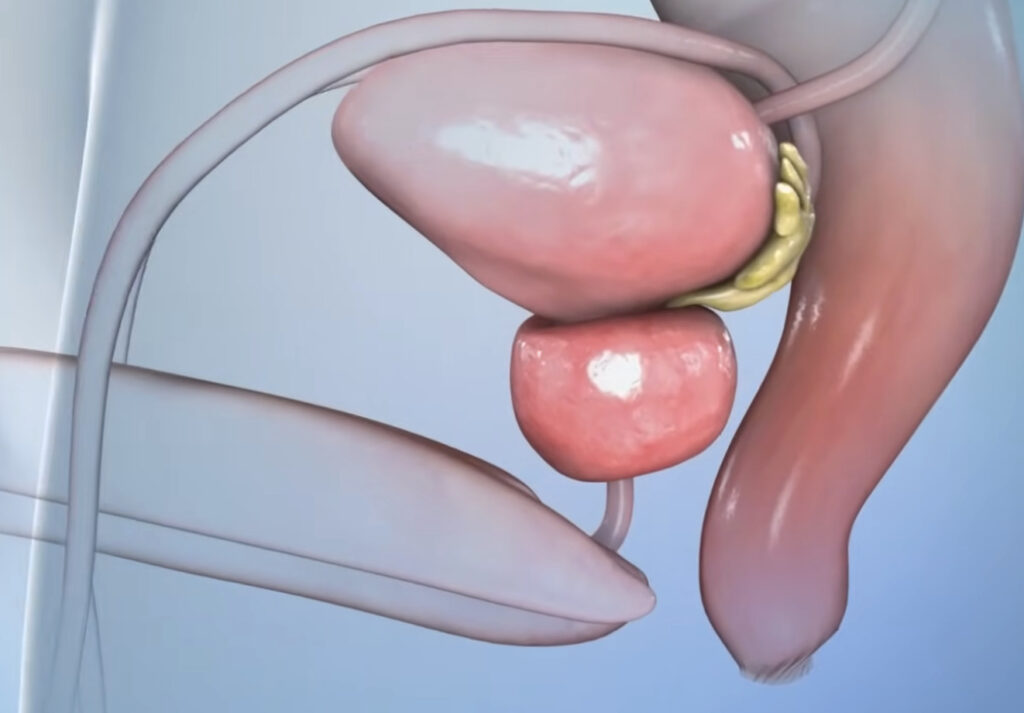
The prostate is a walnut-sized gland that forms part of the male reproductive system, located below the bladder and surrounding the urethra. Prostate conditions encompass various disorders affecting this gland, ranging from benign enlargement to inflammation and malignancy. These conditions can impact urinary function, sexual health, and overall quality of life. Early detection and appropriate management by a healthcare professional may help prevent complications and support prostate health.

Types of Prostate Conditions

Benign Prostatic Hyperplasia (BPH)

BPH is non-cancerous prostate enlargement, a common prostate condition affecting ageing men. The prostate gradually increases in size, potentially compressing the urethra and affecting urine flow. This condition develops slowly over the years and varies significantly in severity.

Prostatitis

Prostatitis involves inflammation or infection of the prostate gland, affecting men of all ages. Four distinct types exist: acute bacterial, chronic bacterial, chronic pelvic pain syndrome, and asymptomatic inflammatory prostatitis. Each type requires different diagnostic approaches and treatment strategies.

Prostate Cancer

Prostate cancer develops when cells in the prostate gland grow uncontrollably. This is a known cancer that can affect men, and it typically progresses slowly but can be aggressive in some cases. Early-stage prostate cancer often presents with no symptoms, making regular screening important for men at risk.

Prostate Stones

Prostate stones (prostatic calculi) are small calcifications within the prostate gland. While often asymptomatic, they can contribute to inflammation, infection, or urinary symptoms when present in large numbers or specific locations.

Causes & Risk Factors

Causes

The mechanisms behind prostate conditions vary by disorder:

  • Age-related hormonal changes may trigger prostate cell growth in BPH
  • Bacterial infections can cause acute and chronic bacterial prostatitis
  • Genetic mutations may lead to uncontrolled cell growth in prostate cancer
  • Urine reflux into prostate ducts may contribute to inflammation
  • Chronic inflammation may influence various prostate disorders

Risk Factors

Several factors may increase the likelihood of developing prostate conditions:

  • Advancing age may elevate risk for BPH and prostate cancer
  • Family history of prostate conditions, particularly cancer
  • Ethnicity can influence risk profiles for prostate conditions
  • Obesity and metabolic syndrome may correlate with increased prostate issues
  • Sedentary lifestyle and poor dietary habits
  • Previous urinary tract infections or sexually transmitted infections
  • Chronic constipation affecting pelvic floor pressure

Signs & Symptoms

Mild Symptoms
  • Slight increase in urination frequency, especially at night
  • Occasional hesitancy when starting urination
  • Mild decrease in urine stream strength
  • Feeling of incomplete bladder emptying
  • Occasional urgency to urinate
  • Minor discomfort in the pelvic region
Moderate Symptoms
  • Frequent nighttime urination
  • Noticeably weak or interrupted urine stream
  • Straining is required to urinate
  • Dribbling after urination
  • Persistent urgency with occasional leakage
  • Discomfort during or after ejaculation
  • Lower back or pelvic pain
Severe Symptoms
  • Complete inability to urinate (acute urinary retention)
  • Blood in urine or semen
  • Severe pelvic, back, or bone pain
  • Recurrent urinary tract infections
  • Kidney dysfunction from obstruction
  • Erectile dysfunction
  • Unexplained weight loss or fatigue

Experiencing these symptoms?

Consider consulting a healthcare professional for proper evaluation. Schedule a consultation with our urologist for assessment and appropriate management.

When to See a Urologist

Seek immediate medical attention if you experience acute urinary retention, blood in urine, fever with urinary symptoms, or severe pelvic pain. These symptoms may indicate serious complications requiring urgent intervention.

Men over 50 should consider regular prostate health screenings, even without symptoms. Those with a family history of prostate cancer should begin screening discussions earlier. Early detection can help improve treatment outcomes for prostate conditions.

During your first consultation, the urologist will review your medical history, discuss symptoms in detail, and perform a physical examination, including a digital rectal examination (DRE). Blood tests and imaging may be recommended based on initial findings. The consultation provides an opportunity to discuss concerns and understand available diagnostic and treatment options.

Diagnosis & Testing Methods

Accurate diagnosis begins with a comprehensive clinical evaluation. Digital rectal examination allows the urologist to assess prostate size, consistency and detect abnormalities. Though briefly uncomfortable, this examination may provide diagnostic information.

Prostate-specific antigen (PSA) blood testing measures protein levels produced by the prostate. Elevated PSA may indicate BPH, prostatitis, or cancer, though levels must be interpreted considering age, prostate size, and other factors. Serial PSA measurements may provide more information than single readings.

Urinalysis and urine culture can help identify infections or blood presence. Post-void residual measurement using ultrasound determines the remaining bladder urine after urination. Uroflowmetry measures urine flow rate and pattern, which can help assess obstruction.

Imaging options include transrectal ultrasound for prostate visualisation and multiparametric MRI for suspicious lesions. Prostate biopsy, guided by ultrasound or MRI, can provide a diagnosis when cancer is suspected.

*This testing is administered as part of a comprehensive plan supervised by a healthcare professional.*

Treatment Options Overview

Watchful Waiting/Active Surveillance

For mild symptoms or slow-growing conditions, careful monitoring without immediate treatment may be appropriate. Regular check-ups track progression, with intervention initiated when necessary. This approach avoids treatment side effects whilst ensuring timely action if conditions worsen.

5-Alpha Reductase Inhibitors

Finasteride and dutasteride may help shrink the prostate by blocking hormone conversion. These medications work gradually, particularly for larger prostates. Combination with alpha blockers may provide symptom relief. Sexual side effects can occur in some patients.

Antibiotics and Anti-inflammatories

Bacterial prostatitis requires targeted antibiotic therapy. Fluoroquinolones are commonly used, though antibiotic selection depends on culture results. Anti-inflammatory medications may help manage pain and reduce inflammation in various prostate conditions.

*This treatment is administered as part of a comprehensive plan supervised by a healthcare professional.*

Minimally Invasive Procedures

Transurethral microwave thermotherapy (TUMT) uses controlled heat to reduce prostate tissue. Prostatic urethral lift (UroLift) mechanically opens the urethra without tissue removal. Water vapour thermal therapy (Rezum) uses steam to ablate excess prostate tissue. These office-based or day-surgery procedures may offer symptom relief with recovery times that can vary.

Transurethral Resection of Prostate (TURP)

TURP is an established surgical treatment for BPH. Using a resectoscope inserted through the urethra, excess prostate tissue is removed to help restore urine flow. Hospital stay typically involves catheter management before discharge. Symptom improvement can occur.

Laser Prostate Surgery

Holmium laser enucleation (HoLEP) and photoselective vaporisation (PVP) may offer outcomes with reduced bleeding risk compared to TURP. These techniques suit patients on blood thinners or with large prostates. Recovery times can vary.

Radical Prostatectomy

For localised prostate cancer, complete prostate removal may be considered. Robotic-assisted laparoscopic prostatectomy offers precision with smaller incisions and may result in less blood loss compared to open surgery. Nerve-sparing techniques aim to preserve function when oncologically appropriate.

Radiation Therapy

External beam radiation or brachytherapy (radioactive seed implantation) treats prostate cancer whilst preserving the gland. Modern techniques like intensity-modulated radiation therapy aim to minimise damage to surrounding tissues. Treatment may span several sessions for external radiation or a single procedure for brachytherapy.

Hormone Therapy

Androgen deprivation therapy reduces testosterone levels, which may slow prostate cancer growth. Used alone for advanced cancer or combined with radiation for high-risk disease. Side effects may include hot flashes, decreased libido, and bone density changes requiring careful monitoring.

Every patient’s condition is unique.

Our urologist will assess your specific situation and discuss treatment options that may be suitable for you.

Complications if Left Untreated

Untreated BPH may lead to acute urinary retention, which could require emergency catheterisation. Chronic obstruction might cause bladder stones, recurrent infections, or bladder muscle damage. Over time, back-pressure can affect kidney function and may potentially impact renal health.

Prostate cancer, when undiagnosed, may metastasise to bones, lymph nodes, or other organs. Advanced cancer can cause pain, fractures, spinal cord compression, and may become life-threatening. Early detection and treatment aim to help prevent these complications.

Quality of life may deteriorate with untreated prostate conditions. Sleep disruption from frequent nighttime urination can affect daytime functioning. Sexual dysfunction and relationship strain may occur. Some men experience anxiety or depression related to urinary symptoms and cancer concerns.

Prevention

While age and genetics cannot be modified, lifestyle factors may influence prostate health. Regular physical activity, particularly aerobic exercise, may help reduce BPH risk and progression. Maintaining a healthy weight through a balanced diet and exercise may benefit overall prostate health.

Dietary modifications may show promise in prostate disease prevention. Increased consumption of tomatoes (lycopene), cruciferous vegetables, and green tea may offer protective effects. Limiting red meat and high-fat dairy consumption may potentially reduce prostate cancer risk. Adequate hydration supports urinary health, whilst avoiding bladder irritants like caffeine and alcohol may help manage symptoms.

Regular screening enables early detection when treatments may be effective. Regular check-ups should include prostate assessment. Open discussion with your healthcare professional about screening benefits and limitations guides informed decision-making.

Frequently Asked Questions

At what age should I start prostate screening in Singapore?

Men may begin discussing prostate screening with their doctor at age 50. Those with a family history of prostate cancer or certain ethnic backgrounds might consider starting at age 45. The decision involves weighing the benefits of early detection against potential risks of overdiagnosis. Your urologist can provide recommendations based on your individual risk factors and preferences.

Can prostate problems affect younger men?

While prostate conditions more commonly affect older men, younger individuals can develop prostatitis or, rarely, early-onset prostate cancer. Prostatitis can affect men under 50, often causing pelvic pain and urinary symptoms. Young men experiencing persistent pelvic discomfort, painful urination, or sexual dysfunction should seek urological evaluation regardless of age.

What is the difference between BPH and prostate cancer?

BPH is a benign (non-cancerous) enlargement of the prostate causing urinary symptoms, but not life-threatening. Prostate cancer involves malignant cell growth that can spread to other body parts if untreated. While both conditions can cause similar urinary symptoms and elevated PSA levels, they are distinct conditions requiring different treatment approaches. Having BPH does not increase cancer risk, though both conditions can coexist.

How long does recovery take after prostate surgery?

Recovery varies depending on the procedure performed. Minimally invasive treatments like UroLift may allow a return to normal activities within days. TURP typically requires recovery time with gradual symptom improvement. Radical prostatectomy involves a longer recovery, with patients resuming regular activities over time, though complete continence and erectile function recovery may take several months.

Are there newer treatments for prostate conditions?

Urological treatments continue advancing with several newer options available in Singapore. Rezum water vapour therapy offers BPH treatment with minimal sexual side effects. Focal therapy for selected prostate cancers treats only the affected area, preserving surrounding tissue. Advanced imaging, like a PSMA PET scan, can improve cancer detection and staging. Your urologist can discuss whether these newer treatments suit your specific condition.

What should I expect during a prostate examination?

A comprehensive prostate examination includes medical history review, symptom assessment, and physical examination. The digital rectal examination takes less than a minute, involving the doctor inserting a gloved finger into the rectum to feel the prostate. While briefly uncomfortable, it’s generally not painful. Blood tests, urine samples, and possibly imaging studies complete the evaluation. The consultation typically lasts approximately 30-45 minutes.


Conclusion

Prostate health significantly impacts men’s quality of life, particularly as they age. Understanding the various conditions affecting the prostate, recognising symptoms early, and seeking appropriate healthcare professional consultation can support optimal outcomes. Modern diagnostic techniques and treatment options available in Singapore provide effective approaches for the full spectrum of prostate conditions, from benign enlargement to cancer. With proper evaluation and individualised treatment planning, many men may achieve symptom improvement and maintain their desired lifestyle.


Take the First Step Towards Better Health

Living with prostate symptoms can be challenging, but you don’t have to face it alone. Dr Azhari has extensive experience diagnosing and treating prostate conditions using current evidence-based approaches.

Dr. Nor Azhari Bin Mohd Zam

Dr. Nor Azhari Bin Mohd Zam

MBBS (NUS)|MRCS (Edin.)|MMed Surgery (NUS)|FAMS (Urology)

With more than 15 years experience as a certified Urologist, Dr Nor Azhari specializes in treating a wide range of kidney, bladder and prostate conditions as well as disorders of the male reproductive organs.

He offers minimally invasive treatment options and provides same-day appointments for convenience.

  • Skilled urologist and kidney stone surgeon.
  • Director of Endourology (Urinary stone service) at Singapore General Hospital – 2016 to 2023.
  • Recognized with the College of Surgeons Gold Medal and Singapore Urological Association Book prize.
  • Minimally invasive treatment options available (non-invasive and endoscopic/key-hole techniques).

Make an Enquiry

For urgent or same day appointment requests, please call our hotline.

    Full Name*

    Email Address*

    Phone Number*

    Your Message*

    For Faster Response, call us!

    +65‎ 6334‎ 1486

    Our Clinic Locations

    Asian Healthcare Specialists (Novena)

    Mount Elizabeth Novena Specialist Centre
    38 Irrawaddy Road
    #08-41 Singapore 329563

    Asian Healthcare Specialists (Alvernia)

    Mount Alvernia Hospital
    820 Thomson Road Medical Centre Block A #05-03 Singapore 574623