Fraud Blocker

Same Day Appointments Available

Radical Nephrectomy in Singapore

A diagnosis requiring kidney removal can feel overwhelming, but understanding your surgical options helps you make informed decisions about your care. Radical nephrectomy is the surgical removal of an entire kidney along with surrounding tissues. It is a treatment option for kidney cancer and other serious kidney conditions. This procedure may help patients when performed by Dr Azhari. Established surgical techniques are used to provide safe, effective treatment whilst prioritising patient comfort and recovery throughout the process. Individual results and timelines may vary.

doctor img
Dr. Nor Azhari Bin Mohd Zam

MBBS (NUS)|MRCS (Edin.)|MMed Surgery (NUS)|FAMS (Urology)

Screenshot Radical Nephrectomy in Singapore

What is Radical Nephrectomy?

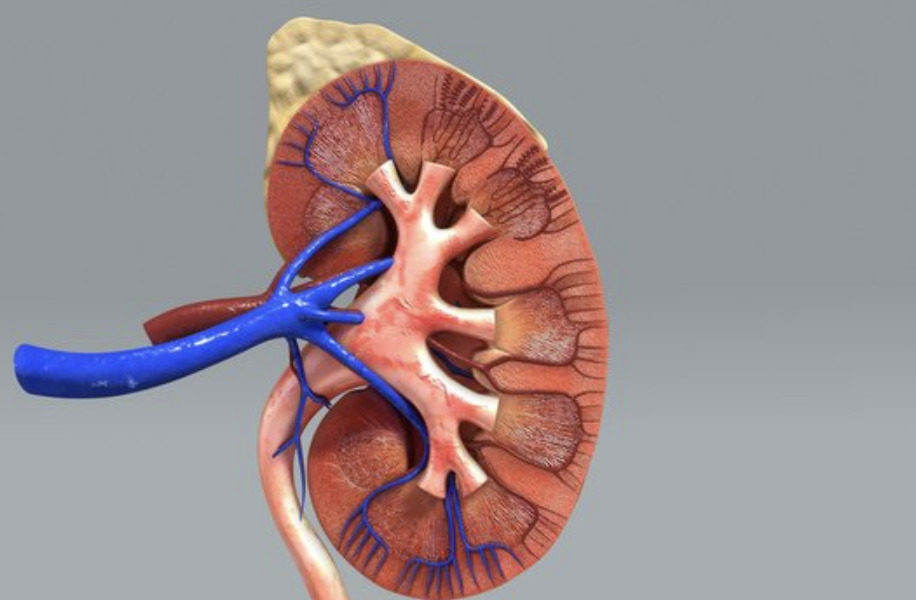
Radical nephrectomy is a surgical procedure that involves the complete removal of the affected kidney, including the surrounding fatty tissue (Gerota’s fascia), nearby lymph nodes, and, in some cases, the adrenal gland. This approach differs from partial nephrectomy, where only the diseased portion of the kidney is removed. The procedure is performed to treat kidney cancer (renal cell carcinoma) that hasn’t spread beyond the kidney capsule.

The surgery aims to remove cancerous tissue while preserving the function of the remaining healthy kidney. A single kidney can effectively filter blood and produce urine. The procedure may be performed through different surgical approaches, including traditional open surgery, laparoscopic techniques, or robot-assisted methods, depending on tumour characteristics and patient factors.

Radical nephrectomy is also occasionally considered for non-cancerous conditions such as kidney damage from infection, traumatic injury, or polycystic kidney disease that causes persistent symptoms. The decision to proceed with radical nephrectomy requires careful evaluation by a urologist to determine if it represents an appropriate treatment option.

Who is a Suitable Candidate?

Ideal Candidates

Ideal Candidates

  • Patients with localised kidney cancer (Stage I-III) confined to the kidney
  • Individuals with large kidney tumours where partial nephrectomy may not be feasible
  • Patients with centrally located tumours near major blood vessels
  • Those with kidney cancer involving multiple areas of the same kidney
  • Individuals with non-functioning kidneys due to chronic infection or obstruction
  • Patients with kidney trauma that cannot be repaired
  • Those with symptomatic polycystic kidney disease unresponsive to other treatments
  • Individuals with normal function in the opposite kidney
Contraindications

Contraindications

  • Bilateral kidney cancer requiring treatment of both kidneys
  • Kidney disease affecting the remaining kidney
  • Certain bleeding disorders that may increase surgical risks
  • Heart or lung conditions that may prevent safe anaesthesia
  • Active infections requiring treatment before surgery
  • Limited life expectancy where surgery risks may outweigh potential benefits

Suitability for radical nephrectomy depends on multiple factors, including tumour characteristics, kidney function, and general health. Your urologist can conduct thorough assessments, including blood tests, imaging studies, and kidney function tests, to determine whether radical nephrectomy is appropriate. Age alone does not prevent surgery, as patients may undergo the procedure when properly evaluated and prepared.

*Individual suitability and treatment outcomes may vary. This information is provided for educational purposes and does not replace consultation with a healthcare professional.*

Treatment Techniques & Approaches

  • Open Radical Nephrectomy

    Open radical nephrectomy involves a larger incision in the abdomen or side to directly access and remove the kidney. This approach provides exposure for large or complex tumours. The urologist makes an incision either below the ribs (subcostal), between the ribs (intercostal), or in the flank area. Open surgery may be considered for very large tumours, those involving major blood vessels, or when extensive lymph node removal is necessary.

  • Laparoscopic Radical Nephrectomy

    Laparoscopic surgery uses several small incisions through which a camera and specialised instruments are inserted. The urologist operates while viewing the procedure on a monitor. This minimally invasive approach may result in less postoperative pain, shorter hospital stays, and faster recovery than open surgery. The kidney is usually placed in a bag and removed through a slightly larger incision.

  • Technology & Equipment Used

    Modern surgical suites utilise high-definition imaging systems, energy devices for tissue sealing, and specialised retractors. Intraoperative ultrasound may guide tumour localisation. Haemostatic agents help control bleeding. Patient positioning systems allow surgical access while protecting pressure points during lengthy procedures.

Considering which surgical approach might be suitable for you?

Dr Azhari will evaluate your specific needs and discuss the available options.

The Treatment Process

Pre-Treatment Preparation

Before surgery, patients undergo a comprehensive evaluation including blood tests, chest X-rays, and CT or MRI scans to assess the tumour and plan the surgical approach. Kidney function tests help determine if the remaining kidney can adequately support the body’s needs. Patients meet with the anaesthesia team to discuss medical history and anaesthetic options.

Preparation may include stopping certain medications, like blood thinners, several days before surgery. Patients receive instructions about fasting, typically no food or drink after midnight before surgery. Bowel preparation may be required depending on the surgical approach. Preoperative antibiotics may be administered to reduce the risk of infection.

During the Procedure

On surgery day, patients receive general anaesthesia through an intravenous line. A breathing tube is placed after the patient is asleep. The surgical team carefully positions the patient, typically on their side, for optimal kidney access. A urinary catheter is inserted to monitor urine output.

The urologist proceeds with the chosen approach, carefully dissecting around the kidney whilst protecting surrounding organs. Major blood vessels supplying the kidney (renal artery and vein) are identified, secured, and divided. The ureter is also divided. The entire kidney specimen, including surrounding fat and fascia, is removed intact. Lymph nodes may be sampled or removed for pathological examination.

The procedure may take several hours, depending on complexity. The surgical team carefully inspects for bleeding before closing the incisions. Drains may be placed to monitor for post-operative bleeding or fluid collection.

Immediate Post-Treatment

After surgery, patients recover in the post-anaesthesia care unit where nurses monitor vital signs, pain levels, and urine output. Once stable, patients transfer to the surgical ward. Pain management may include patient-controlled analgesia or epidural pain relief. Early mobilisation can help prevent complications like blood clots and pneumonia.

The urinary catheter is typically left in place for 1-2 days to monitor kidney function. Clear liquids are usually started once bowel function returns, progressing to a regular diet as tolerated. Hospital stay duration varies depending on individual recovery and the specific surgical approach.

Recovery & Aftercare

First 24-48 Hours

Initial recovery focuses on pain control, monitoring vital signs, and preventing complications. You may receive medications to manage pain and prevent nausea. Deep breathing exercises can help prevent pneumonia. Sequential compression devices on your legs may reduce the risk of blood clots.

Walking begins with assistance, gradually increasing distance and frequency. The surgical team monitors urine output and blood tests for proper kidney function. Wound dressings are checked regularly. You’ll learn to recognise warning signs requiring immediate attention.

First Week

During the first week home, activity gradually increases while avoiding strenuous exertion. Pain may improve daily, managed with oral medications. Wound care includes keeping incisions clean and dry. Showering is usually permitted after 48 hours, and bath immersion needs to be avoided until wounds heal.

Follow-up appointments assess wound healing and review pathology results. Blood tests confirm adequate kidney function. Dietary modifications may include increased fluid intake and temporary protein restriction. Light activities, such as walking, are encouraged, but lifting restrictions may remain in place.

Long-term Recovery

Complete recovery may take several weeks, depending on the surgical approach and individual factors. Return to work depends on job demands and individual recovery progress. Driving resumes once you’re off strong pain medications and can perform emergency manoeuvres comfortably.

Regular monitoring includes blood tests to assess kidney function and imaging studies to check for cancer recurrence. The remaining kidney may adapt by increasing its function over several months. Long-term lifestyle modifications may include maintaining healthy blood pressure, avoiding nephrotoxic medications, and staying well-hydrated.

Dr Azhari provides comprehensive post-procedure support to help in optimal recovery.

Schedule your consultation to learn more about what to expect.

Benefits of Radical Nephrectomy

Radical nephrectomy aims to provide treatment for localised kidney cancer, offering the opportunity for cancer removal. The procedure can help address cancer-related symptoms such as blood in urine, flank pain, or constitutional symptoms like weight loss and fatigue.

For non-cancerous conditions, radical nephrectomy may help resolve chronic pain, recurrent infections, and other symptoms affecting quality of life. Removing a non-functioning or severely damaged kidney can eliminate a potential source of ongoing health problems. Patients may experience improved overall well-being after recovering from surgery.

The remaining kidney typically compensates, maintaining filtration and hormone production. Patients can often resume normal activities, including exercise and travel, after recovery. Modern surgical techniques, particularly minimally invasive approaches, may reduce recovery time and post-operative discomfort compared to traditional open surgery.

Risks & Potential Complications

Common Side Effects

Patients may experience incision pain, which can be managed with prescribed pain medications. Fatigue is common during recovery and may improve gradually. Constipation from pain medications and reduced activity can typically be managed with stool softeners and increased movement.

Numbness around incision sites may persist as nerves regenerate. Bowel habits may change temporarily as the intestines adjust to the space previously occupied by the kidney. These effects are part of the healing process and may resolve with time and appropriate management.

Rare Complications

Less common complications may include bleeding that could require transfusion or reoperation. Infection at surgical sites or within the abdomen can occur. Injury to surrounding organs like the spleen, liver, or intestines is possible during the procedure.

Long-term complications may include chronic kidney disease if the remaining kidney has underlying problems, though this can be assessed through pre-operative evaluation. Hernia formation at incision sites can occur, particularly after open surgery. Cardiovascular complications or blood clots are possible risks that can be addressed through preventive measures and early mobilisation.

Urologists employ surgical techniques, patient selection protocols, and comprehensive care approaches to help minimise these risks. The surgical team may discuss specific risk factors during your consultation based on your individual health status.

Cost Considerations

The cost of radical nephrectomy varies based on several factors, including the surgical approach chosen; minimally invasive techniques typically involve higher equipment costs but may result in shorter hospital stays. Hospital stay duration, case complexity, and the need for additional procedures affect overall expenses. Pre-operative investigations, urologist’s fees, anaesthesia charges, and post-operative care contribute to total costs.

The fee structure typically includes the surgical procedure, operating theatre time, surgical equipment and supplies, hospital accommodation, nursing care, and standard medications during admission. Pathology examination of the removed kidney is essential for cancer staging and treatment planning. Follow-up consultations and routine post-operative tests are usually separate charges.

Quality surgical care by experienced urologists, whilst representing an investment, may help reduce risks of complications that could result in additional treatments and costs. During consultation, the healthcare team provides detailed cost estimates based on your specific surgical plan and expected hospital stay.

Frequently Asked Questions

How long does radical nephrectomy surgery typically take?

Radical nephrectomy may take 2-4 hours, depending on the surgical approach and complexity. Laparoscopic and robotic procedures may take slightly longer than open surgery due to equipment setup and precise dissection requirements. Factors affecting duration include tumour size, location, surrounding adhesions, and whether lymph node removal is necessary. Your urologist can provide a more accurate estimate during pre-operative planning based on your specific case.

Can I live a normal life with one kidney?

Yes, many people lead everyday lives with one healthy kidney. The remaining kidney can increase its function to compensate, potentially providing adequate function for the body’s needs. Regular monitoring helps with continued healthy function. Maintaining healthy blood pressure, avoiding nephrotoxic medications when possible, staying hydrated, and following a balanced diet may help protect your remaining kidney in the long term.

When can I return to work after radical nephrectomy?

Return to work timing depends on your job type and surgical approach. Desk-based work may allow return within several weeks for minimally invasive surgery or more extended for open surgery. Physical jobs that require heavy lifting may require extended recovery time. Your energy levels and pain resolution also influence timing. Many patients benefit from initially returning part-time before resuming complete duties. Your urologist can provide specific guidance based on your recovery progress.

Will I need chemotherapy after a radical nephrectomy for kidney cancer?

Not all kidney cancer patients require additional treatment after surgery. For early-stage cancers completely removed with clear margins, surgery alone may be sufficient. The need for additional therapy depends on cancer stage, grade, and pathology findings. Your urologist and oncology team can discuss whether adjuvant therapy is recommended based on your specific cancer characteristics and risk factors for recurrence.

How often will I need follow-up after surgery?

Follow-up schedules vary based on the condition treated. For kidney cancer, monitoring may include regular visits with varying frequency over time. Follow-up may include a physical examination, blood tests to monitor kidney function, and imaging studies to assess for recurrence. Non-cancer cases may require different monitoring focused on kidney function assessment. Your healthcare team may determine the appropriate schedule for your situation.

What lifestyle changes are necessary after losing a kidney?

While many activities can resume normally, certain precautions may help protect your remaining kidney. These can include staying well-hydrated, maintaining healthy blood pressure through diet and exercise, avoiding contact sports that risk kidney injury, and informing healthcare providers about your single kidney before taking new medications. Regular health check-ups can monitor kidney function. Moderate protein intake and limiting sodium may support kidney health. Your healthcare team can provide specific guidance for your situation.

Is radical nephrectomy painful?

Post-operative pain is expected but can be managed with modern pain control techniques. Minimally invasive approaches may cause less pain than open surgery. Patient-controlled analgesia allows you to manage pain during a hospital stay. Many patients can transition to oral pain medications within days. Pain may gradually decrease over time, with many patients requiring only mild pain relievers after the initial recovery period. Your surgical team aims to prioritise comfort throughout recovery.

Conclusion

Radical nephrectomy is an established treatment option for kidney cancer and other serious kidney conditions. While kidney removal may seem concerning, modern surgical techniques and comprehensive care aim to provide safe treatment. Patients can adapt to life with one kidney and may maintain active lifestyles after recovery. Treatment outcomes depend on careful patient selection, surgical technique, and post-operative care provided by experienced urological teams.

Ready to Take the Next Step?

If you’re considering radical nephrectomy or have been diagnosed with a condition that may require kidney removal, Dr Azhari can help you understand your treatment options. With experience in kidney surgery, we provide personalised care throughout your surgical journey.

Dr. Nor Azhari Bin Mohd Zam

Dr. Nor Azhari Bin Mohd Zam

MBBS (NUS)|MRCS (Edin.)|MMed Surgery (NUS)|FAMS (Urology)

With more than 15 years experience as a certified Urologist, Dr Nor Azhari specializes in treating a wide range of kidney, bladder and prostate conditions as well as disorders of the male reproductive organs.

He offers minimally invasive treatment options and provides same-day appointments for convenience.

  • Skilled urologist and kidney stone surgeon.
  • Director of Endourology (Urinary stone service) at Singapore General Hospital – 2016 to 2023.
  • Recognized with the College of Surgeons Gold Medal and Singapore Urological Association Book prize.
  • Minimally invasive treatment options available (non-invasive and endoscopic/key-hole techniques).

Make an Enquiry

For urgent or same day appointment requests, please call our hotline.

    Full Name*

    Email Address*

    Phone Number*

    Your Message*

    For Faster Response, call us!

    +65‎ 6334‎ 1486

    Our Clinic Locations

    Asian Healthcare Specialists (Novena)

    Mount Elizabeth Novena Specialist Centre
    38 Irrawaddy Road
    #08-41 Singapore 329563

    Asian Healthcare Specialists (Alvernia)

    Mount Alvernia Hospital
    820 Thomson Road Medical Centre Block A #05-03 Singapore 574623