Fraud Blocker

Same Day Appointments Available

Prostate Biopsy in Singapore

If your urologist has recommended a prostate biopsy, you may feel anxious about what lies ahead. This is entirely understandable, as any medical procedure involving such a sensitive area naturally raises concerns. A prostate biopsy is a diagnostic procedure that can help detect prostate cancer and other prostate conditions. In Singapore, this procedure is performed by qualified urologists using established techniques. Understanding what the procedure involves, why it’s necessary, and what to expect can help alleviate your concerns and prepare you for the process ahead.

doctor img
Dr. Nor Azhari Bin Mohd Zam

MBBS (NUS)|MRCS (Edin.)|MMed Surgery (NUS)|FAMS (Urology)

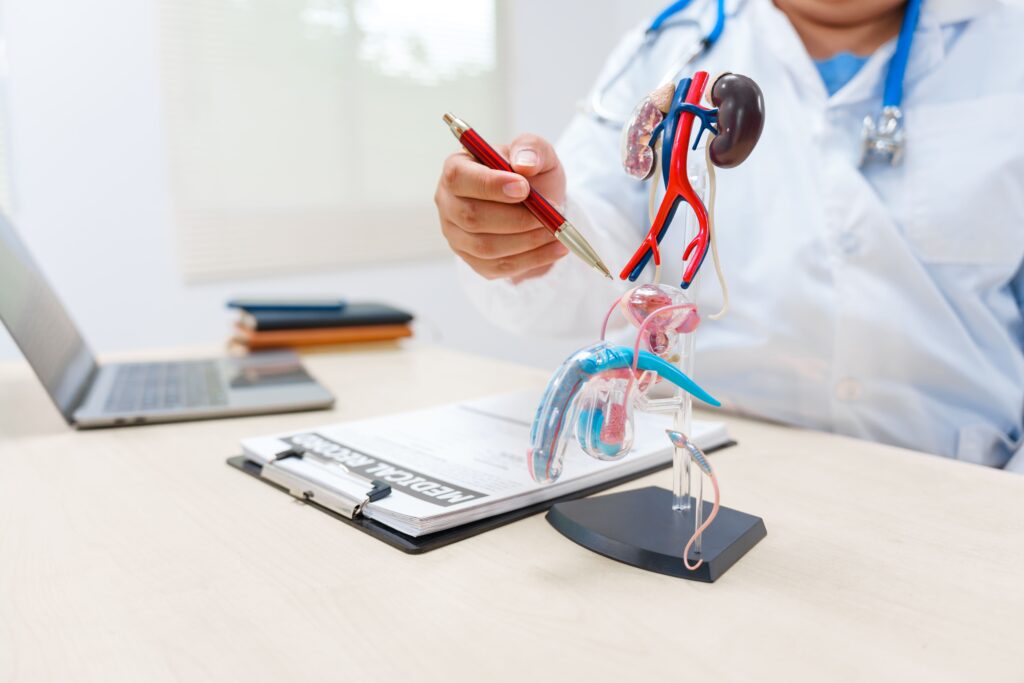
a doctor with suspected prostate cancer using a ma 2025 03 08 17 12 40 utc Prostate Biopsy in Singapore

What is a Prostate Biopsy?

A prostate biopsy is a medical procedure where small tissue samples are collected from the prostate gland for laboratory examination. The prostate is a walnut-sized gland located below the bladder that produces fluid that makes up semen. During the biopsy, a needle extracts cores of prostate tissue, which are then examined under a microscope by a pathologist to check for cancer cells or other abnormalities.

This procedure may be recommended when other tests, such as elevated PSA (Prostate-Specific Antigen) levels or abnormal digital rectal examination findings, suggest potential prostate problems. The biopsy can provide information about whether cancer is present, and if so, its characteristics.

Prostate biopsies are performed as day procedures, meaning patients can typically return home the same day. The procedure has evolved over the years, with various techniques available to support diagnostic accuracy and patient comfort. Individual experiences and outcomes may vary.

Who is a Suitable Candidate?

Potential Candidates

Potential Candidates

  • Men with elevated PSA levels
  • Patients with rising PSA levels over time
  • Those with abnormal findings during digital rectal examination
  • Men with suspicious lesions identified on prostate MRI scans
  • Patients requiring repeat biopsy due to previous inconclusive results
  • Those with high-grade PIN (prostatic intraepithelial neoplasia) or ASAP (atypical small acinar proliferation) on previous biopsy
  • Men with a family history of prostate cancer require investigation of symptoms
Contraindications

Contraindications

  • Active urinary tract infection or prostatitis
  • Severe bleeding disorders or uncorrected coagulopathy
  • Recent heart attack or unstable cardiac conditions
  • Inability to stop blood-thinning medications safely
  • Severe immunosuppression
  • Active inflammatory bowel disease (for transrectal approach)
  • Anal stenosis or recent rectal surgery (for transrectal approach)

Dr Azhari can conduct a thorough assessment of your medical history and current health status to determine if a prostate biopsy may be appropriate for you. If any contraindications exist, alternative diagnostic approaches or timing adjustments may be considered for your safety.

Treatment Techniques & Approaches

  • Transrectal Ultrasound-Guided (TRUS) Biopsy

    The transrectal approach is commonly used in Singapore. During this technique, an ultrasound probe is inserted into the rectum to visualise the prostate. The biopsy needle passes through the rectal wall to reach the prostate gland. This method provides imaging and allows for systematic sampling of different prostate zones. Local anaesthetic is applied to minimise discomfort during the procedure.

  • Transperineal Biopsy

    The transperineal approach involves inserting the biopsy needle through the skin between the scrotum and rectum (the perineum). This technique has a lower infection risk compared to the transrectal route. The procedure can be performed under local anaesthesia with sedation or general anaesthesia, depending on patient preference and medical considerations. This approach provides access to all areas of the prostate, including the anterior zone.

  • MRI-Fusion Guided Biopsy

    This contemporary technique combines MRI imaging with real-time ultrasound to target specific suspicious areas within the prostate. Prior MRI scans are fused with live ultrasound images during the biopsy, allowing targeting of abnormal regions while also sampling standard zones. This approach can help improve cancer detection rates, particularly for significant cancers seen on MRI that can be missed with random sampling alone.

  • Technology & Equipment Used

    Modern prostate biopsy procedures utilise high-resolution ultrasound machines with specialised probes designed for prostate imaging. Spring-loaded biopsy guns provide consistent, rapid tissue sampling with minimal trauma. Some centres in Singapore employ fusion software that overlays MRI images onto real-time ultrasound, enhancing targeting accuracy. Disposable biopsy needles and sterile equipment protocols help in patient safety throughout the procedure.

Considering which biopsy approach may be suitable for you?

Dr Azhari can evaluate your specific needs and discuss the available techniques.

The Treatment Process

Pre-Treatment Preparation

Before your prostate biopsy, you may need to stop blood-thinning medications as directed by your urologist. Antibiotics are often prescribed starting the day before the procedure to help reduce infection risk. For transrectal biopsies, an enema may be recommended the morning of the procedure to clear the rectum. You can arrange transportation home, as sedation may be used. Inform your urologist about all medications, allergies, and medical conditions. A urine test may be performed to rule out infection.

During the Procedure

Upon arrival, you’ll change into a hospital gown and position yourself as directed—either lying on your side with knees drawn up (for transrectal) or on your back with legs supported (for transperineal). Local anaesthetic is administered to numb the area. The ultrasound probe is then inserted, and your urologist may visualise the prostate. Using the biopsy device, tissue samples are collected from various regions of the prostate. Each sample collection takes just seconds, though you may feel pressure or brief discomfort.

Immediate Post-Treatment

After the biopsy, you’ll be briefly monitored for any immediate complications. You may be able to urinate before discharge—this confirms no significant swelling is blocking urine flow. Light bleeding from the rectum (for the transrectal approach) or the perineum (for the transperineal approach) is normal and often stops quickly with gentle pressure. You’ll receive instructions about activity restrictions and warning signs to watch for. Antibiotics are continued as prescribed.

Recovery & Aftercare

First 24-48 Hours

During the initial recovery period, rest is recommended, though complete bed rest isn’t necessary. You may notice blood in your urine, semen, or stool—this is expected. Drink plenty of water to help flush the urinary system and reduce bleeding. Avoid strenuous activities, heavy lifting, and vigorous exercise. Continue taking prescribed antibiotics as directed. Mild pain relievers like paracetamol can manage any discomfort. Avoid aspirin unless your urologist specifically approves it. Monitor your temperature and watch for signs of infection such as fever, chills, or difficulty urinating.

First Week

Blood in the urine may resolve within several days, though traces may persist for up to two weeks. Blood in semen can last several weeks but poses no health risk. Return to normal daily activities gradually, but avoid cycling for at least one week to prevent pressure on the prostate area. Sexual activity can usually resume after several days, though blood in semen may be present. Maintain good hydration and continue any prescribed medications. Your follow-up appointment can be scheduled to discuss biopsy results.

Long-term Recovery

Many men may experience symptom resolution within several days. Blood in semen may persist longer, but this is typically harmless. No special long-term care is required after healing. Regular activities, including exercise and sexual activity, can be resumed once initial healing is complete. The biopsy site aims to heal without lasting effects on prostate or urinary function. Results from the pathology report can guide any further treatment decisions if abnormalities are detected.

Our urologist provides post-procedure support to help with recovery.

Schedule your consultation to learn more about what to expect.

Benefits of Prostate Biopsy

A prostate biopsy can provide diagnostic information when prostate cancer is suspected, supporting treatment planning discussions. The procedure may help distinguish between cancer and benign conditions like prostatitis or BPH (benign prostatic hyperplasia), potentially informing treatment decisions. When cancer is detected, a biopsy may reveal the cancer grade (Gleason score), which can help guide discussions about whether active surveillance or treatment options are appropriate.

The tissue samples allow for pathological analysis that other tests cannot provide. Contemporary biopsy techniques aim to improve cancer detection while potentially reducing the need for repeat procedures. Detection through biopsy may identify cancer when it’s confined to the prostate. For men with elevated PSA levels, a negative biopsy can provide reassurance. The procedure may also help identify changes that require closer monitoring.

Risks & Potential Complications

Common Side Effects

Men may experience minor bleeding in urine, stool, or semen lasting days to weeks—this appears alarming but is typically harmless. Mild discomfort or soreness at the biopsy site usually resolves within a few days. Some men report temporary difficulty with erections, though this normally improves within weeks. Light rectal bleeding after a transrectal biopsy stops quickly with gentle pressure. Mild urinary symptoms, such as frequency or urgency, may occur but usually resolve promptly.

Rare Complications

Infection may occur despite antibiotic prophylaxis, presenting as fever, chills, or urinary symptoms requiring additional treatment. Significant bleeding requiring medical attention is uncommon but may occur in patients with bleeding disorders. Urinary retention (inability to urinate) may affect some patients and may require temporary catheterisation. Rarely, vasovagal reactions (fainting) can occur during or immediately after the procedure. Sepsis, though very rare with the transperineal approach and antibiotic use, represents a serious potential complication.

These risks are minimised through proper patient selection, meticulous sterile technique, appropriate antibiotic prophylaxis, and the expertise of experienced urologists. Your urologist may discuss your individual risk factors and take appropriate precautions.

Cost Considerations

The cost of a prostate biopsy in Singapore varies depending on several factors, including the technique used, whether fusion technology is employed, and the number of samples taken. The facility where the procedure is performed also affects pricing. Costs typically include the urologist’s fee, facility charges, anaesthesia if used, pathology analysis, and prescribed medications.

Additional imaging, such as MRI, before fusion biopsy can incur separate charges. The complexity of your case and the need for special preparations may influence the final cost. Pathological analysis by qualified pathologists is essential for accurate diagnosis and is reflected in the fee structure. During your consultation, you’ll receive a detailed cost breakdown specific to your recommended biopsy approach.

Frequently Asked Questions

How painful is a prostate biopsy?

Many men report that the procedure may be less uncomfortable than expected. With local anaesthetic, you may feel pressure and brief pinching sensations rather than significant pain. The transperineal approach, performed under sedation or general anaesthesia, aims to eliminate discomfort during the procedure. Any post-procedure soreness is typically mild and manageable with over-the-counter pain relievers. Some patients compare the discomfort to a routine injection or blood draw.

How accurate is a prostate biopsy in detecting cancer?

Prostate biopsy can detect clinically significant cancers, with MRI-fusion guided approaches potentially improving detection rates. However, small or early-stage cancers might be missed if the samples don’t include affected tissue. This is why systematic sampling of multiple zones is important. If clinical suspicion remains high despite a negative biopsy, repeat biopsy or alternative approaches may be recommended.

How long does it take to get prostate biopsy results?

Pathology results are typically available within several working days in Singapore. Complex cases requiring special staining or second opinions may take longer. Your urologist may schedule a follow-up appointment to discuss the results in detail, explain what they mean for your health, and outline any recommended next steps. Written reports are provided, and your urologist can confirm you understand all findings.

Can I resume normal activities immediately after the biopsy?

Light activities can often resume the same day, but avoid strenuous exercise, heavy lifting, and cycling for at least one week. Many men return to work the next day if their job doesn’t involve physical labour. Sexual activity can typically resume after several days. Driving yourself home immediately after the procedure isn’t recommended if sedation was used. Your urologist may provide specific guidelines based on your procedure type and individual circumstances.

What happens if cancer is found in my biopsy?

If cancer is detected, your urologist can explain the findings, including the Gleason score, number of positive cores, and cancer extent. Treatment options may be discussed based on cancer characteristics, your age, overall health, and preferences. Options may include active surveillance for low-risk cancers, surgery, radiation therapy, or other treatments. You’ll have time to consider options and may seek second opinions. Prostate cancers can often be slow-growing and treatable when detected early.

How often are repeat biopsies needed?

Repeat biopsy may be recommended if initial results show suspicious but not definitively cancerous changes, PSA continues rising despite a negative biopsy, or new concerning findings develop on examination or imaging. Some men on active surveillance for low-risk cancer may require periodic biopsies to monitor progression.

Are there alternatives to prostate biopsy for detecting cancer?

While prostate biopsy remains the definitive diagnostic tool, MRI scans can help identify suspicious areas and guide biopsy decisions. PSA tests, including free PSA ratio or PSA density, provide additional risk assessment. Newer biomarker tests using blood or urine samples can help determine whether a biopsy is necessary. However, these tests cannot definitively diagnose cancer—only tissue examination through biopsy can confirm the presence and nature of cancer cells.

Conclusion

A prostate biopsy is a diagnostic procedure that can provide information for managing prostate health. While the thought of undergoing this procedure may cause anxiety, understanding the process, modern techniques available, and comprehensive care provided can help you approach it with greater awareness. Qualified urologists perform prostate biopsies using established protocols that aim to balance diagnostic accuracy and patient comfort. When indicated, prostate biopsy may enable timely intervention and treatment planning for prostate conditions.

Ready to Take the Next Step?

If you’re considering a prostate biopsy or have been recommended to undergo this procedure, Dr Azhari can help you understand if it may be appropriate for your needs. With experience in prostate biopsy procedures, we provide care throughout your diagnostic journey.

Dr. Nor Azhari Bin Mohd Zam

Dr. Nor Azhari Bin Mohd Zam

MBBS (NUS)|MRCS (Edin.)|MMed Surgery (NUS)|FAMS (Urology)

With more than 15 years experience as a certified Urologist, Dr Nor Azhari specializes in treating a wide range of kidney, bladder and prostate conditions as well as disorders of the male reproductive organs.

He offers minimally invasive treatment options and provides same-day appointments for convenience.

  • Skilled urologist and kidney stone surgeon.
  • Director of Endourology (Urinary stone service) at Singapore General Hospital – 2016 to 2023.
  • Recognized with the College of Surgeons Gold Medal and Singapore Urological Association Book prize.
  • Minimally invasive treatment options available (non-invasive and endoscopic/key-hole techniques).

Make an Enquiry

For urgent or same day appointment requests, please call our hotline.

    Full Name*

    Email Address*

    Phone Number*

    Your Message*

    For Faster Response, call us!

    +65‎ 6334‎ 1486

    Our Clinic Locations

    Asian Healthcare Specialists (Novena)

    Mount Elizabeth Novena Specialist Centre
    38 Irrawaddy Road
    #08-41 Singapore 329563

    Asian Healthcare Specialists (Alvernia)

    Mount Alvernia Hospital
    820 Thomson Road Medical Centre Block A #05-03 Singapore 574623