Fraud Blocker

Same Day Appointments Available

Hydrocele: Understanding Causes, Symptoms, and Treatment Options

Finding a painless swelling in the scrotum can understandably cause concern. If you’ve noticed an enlargement in the scrotal area, it may be a hydrocele—a common, typically benign condition affecting males of all ages.

A hydrocele occurs when fluid accumulates around the testicle, causing swelling that ranges from barely noticeable to quite significant. While rarely posing serious health risks, it can cause discomfort and affect quality of life. Understanding what a hydrocele is, why it develops, and what treatment options are available helps you make informed decisions about your health.

doctor img
Dr. Nor Azhari Bin Mohd Zam

MBBS (NUS)|MRCS (Edin.)|MMed Surgery (NUS)|FAMS (Urology)

Hydrocele (1) Hydrocele: Understanding Causes, Symptoms, and Treatment Options

What is a Hydrocele?

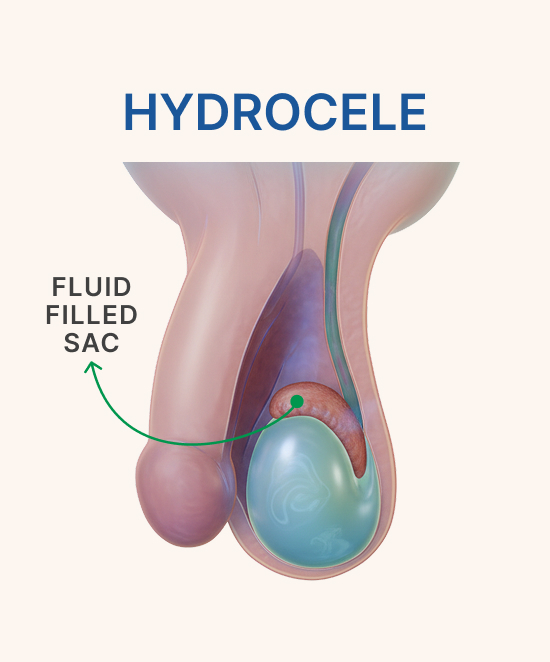
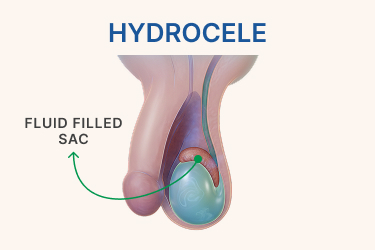
A hydrocele is a fluid-filled sac that forms around a testicle, causing scrotal swelling. The fluid collects between the two layers of the tunica vaginalis (a thin membrane surrounding each testicle), creating a smooth, painless enlargement that can affect one or both testicles.

Hydroceles are a common condition, particularly among newborn males and older men. This condition represents a portion of urological consultations.

The scrotum may feel heavy or appear larger than usual, especially towards the end of the day. While hydroceles themselves aren’t dangerous, they can sometimes indicate underlying conditions requiring medical attention. Evaluation by a healthcare professional is essential for accurate diagnosis and appropriate management.

Types of Hydrocele

Understanding the different types helps determine an appropriate treatment approach.

Communicating Hydrocele

A communicating hydrocele occurs when the passageway between the abdomen and scrotum (processus vaginalis) remains open after birth. This allows fluid to flow freely between the abdominal cavity and scrotal sac. The swelling typically varies in size throughout the day—often larger after physical activity and smaller after rest. This type frequently appears in infants and children.

Non-Communicating Hydrocele

In a non-communicating hydrocele, the processus vaginalis has closed, but fluid remains trapped within the tunica vaginalis. The body continues producing fluid that cannot be reabsorbed efficiently, leading to gradual accumulation. This type is more common in adults and typically maintains a relatively constant size.

Encysted Hydrocele of the Cord

This less common variant occurs when fluid accumulates along the spermatic cord (the structure containing blood vessels and the tube carrying sperm) rather than around the testicle. It presents as a separate, distinct swelling above the testicle.

Causes & Risk Factors

Common Causes

The underlying cause depends largely on the patient’s age and hydrocele type:

  • Incomplete closure of the processus vaginalis during foetal development (in infants)
  • Imbalance between fluid production and absorption by the tunica vaginalis
  • Infection or inflammation of the testicle or epididymis (the tube at the back of the testicle storing sperm)
  • Injury or trauma to the scrotal area
  • Previous scrotal or inguinal surgery
  • Radiation therapy to the pelvic region
  • Blockage within the spermatic cord

Risk Factors

Several factors may increase the likelihood of developing a hydrocele:

  • Age: Infants and older men are at higher risk
  • Premature birth: Babies born before full term have increased susceptibility
  • Previous scrotal injury: Trauma to the area can trigger fluid accumulation
  • Infection history: Past episodes of epididymitis or orchitis (inflammation of the testicle) increase risk
  • Filariasis exposure: In endemic regions, parasitic infection can cause hydrocele
  • Inguinal hernia repair: Previous groin surgery may contribute
  • Varicocele treatment: Some procedures may lead to secondary hydrocele formation

The exact cause often remains unknown in many adult cases, developing gradually over time without an identifiable trigger.

Signs & Symptoms

Mild Symptoms
  • Slight, painless swelling on one side of the scrotum
  • Sensation of heaviness in the affected testicle
  • Minimal change in scrotum appearance
  • No impact on daily activities or comfort
Moderate Symptoms
  • More noticeable scrotal enlargement
  • Increased feeling of heaviness or dragging sensation
  • Some discomfort when walking or during physical activity
  • Visible asymmetry between the two sides of the scrotum
  • Difficulty fitting into regular underwear comfortably
Severe Symptoms
  • Significant scrotal swelling affecting mobility
  • Marked discomfort or aching sensation
  • Obvious cosmetic concern
  • Difficulty with physical activities or exercise
  • Potential impact on intimate relationships
  • Associated symptoms if underlying infection present (such as pain, fever, or redness)

The swelling is typically smooth to the touch and transilluminates when a light is shone through it—a characteristic that helps distinguish it from solid masses. Size fluctuations throughout the day are common, particularly with communicating hydroceles.

Experiencing scrotal swelling or discomfort?

Schedule a consultation with our Urologist for an accurate diagnosis and discussion of treatment options.

When to See a Urologist

While hydroceles are generally harmless, certain situations warrant prompt medical attention. Consult a urologist if you notice:

  • Any new swelling in the scrotum, regardless of size
  • Rapid increase in scrotal size over a short period
  • Pain or tenderness accompanying the swelling
  • Redness or warmth in the scrotal skin
  • Fever or feeling generally unwell
  • Difficulty urinating or changes in urinary patterns
  • Swelling that doesn’t reduce after rest

Early evaluation is particularly important to rule out other conditions that may present similarly (such as inguinal hernia, testicular tumour, or epididymal cyst). These conditions require different management approaches, making accurate diagnosis essential.

During your first consultation, the urologist will take a detailed medical history and perform a thorough physical examination. This may include examining the swelling while you’re standing and lying down, checking whether the swelling reduces with gentle pressure, and assessing whether light passes through the swelling (transillumination test).

Diagnosis and Testing Methods

Accurate diagnosis involves a combination of clinical examination and imaging studies to confirm the condition and rule out other possibilities.

Physical Examination

The initial assessment involves careful palpation of the scrotum to evaluate the swelling’s characteristics. The urologist checks for tenderness, assesses the size and consistency of the swelling, and determines whether the testicle can be felt separately from the fluid collection.

Transillumination Test

This simple bedside test involves shining a light through the swelling. Hydroceles allow light to pass through (positive transillumination), appearing as a red glow, because they contain clear fluid. Solid masses do not transilluminate. This test helps distinguish hydroceles from other scrotal conditions quickly and painlessly.

Scrotal Ultrasound

Ultrasound imaging provides detailed imaging for scrotal swellings. This non-invasive, painless test uses sound waves to create detailed images of the scrotal contents. It can:

  • Accurately measure the amount of fluid present
  • Assess the condition of the testicle itself
  • Identify any associated abnormalities

Results are typically available immediately, providing valuable information to support further evaluation.

Blood Tests

Your doctor may order blood tests to check for infection markers or tumour markers if there’s any concern about the underlying testicle. Laboratories usually process these within a few days.

Additional Investigations

If a communicating hydrocele is suspected, additional imaging such as a CT scan (which uses X-rays to create detailed cross-sectional images of the body) may occasionally be required to assess the connection with the abdominal cavity.

Treatment Options for Hydrocele

Treatment depends on several factors: the patient’s age, the size of the hydrocele, associated symptoms, and the presence of any underlying conditions.

Observation and Monitoring

For small, asymptomatic hydroceles, particularly in infants, a period of watchful waiting may be appropriate. Many congenital hydroceles resolve spontaneously within the first year of life as the processus vaginalis closes naturally. During this time, regular check-ups monitor the condition to ensure it’s not enlarging or causing problems. In adults with minimal symptoms, observation may also be reasonable if the hydrocele remains stable and doesn’t affect quality of life.

Aspiration

Needle aspiration involves draining the fluid from the hydrocele using a needle and syringe under local anaesthesia (numbing medication applied to the area). While this procedure provides immediate relief, it’s generally considered a temporary measure. The fluid typically reaccumulates over time. Repeated aspirations carry risks of infection and scarring. Your doctor may offer aspiration to patients who aren’t suitable candidates for surgery due to other medical conditions.

Aspiration with Sclerotherapy

This approach combines fluid drainage with the injection of a sclerosing agent (a medication causing inflammation and scarring) into the hydrocele sac. The sclerosant causes inflammation and scarring of the tunica vaginalis, reducing its ability to produce fluid and helping prevent recurrence. While this option may be considered for patients who wish to avoid surgery, your doctor will discuss whether it’s suitable for your situation.

Hydrocelectomy (Surgical Repair)

Surgical excision provides definitive treatment for a hydrocele. Healthcare providers typically perform the procedure as day surgery under general or spinal anaesthesia.

During hydrocelectomy:

  • The urologist makes an incision in the scrotum or groin area to access the hydrocele sac
  • The urologist drains the fluid
  • The urologist either removes the excess tunica vaginalis or turns it inside out and stitches it behind the testicle

Several surgical techniques exist (including the Jaboulay and Lord procedures). The choice depends on the size and characteristics of the hydrocele.

Recovery typically involves a few days of rest. Supportive underwear and scrotal elevation help reduce post-operative swelling and discomfort.

Laparoscopic Repair

For communicating hydroceles, particularly in children, your doctor may offer laparoscopic surgery. This minimally invasive approach involves small incisions through which a camera and instruments are inserted to close the processus vaginalis from the abdominal side.

Dr Azhari can assess your specific situation and discuss treatment approaches suitable for you.

Complications if Left Untreated

While hydroceles are benign conditions, leaving a significant hydrocele untreated can lead to several issues:

  • Physical Discomfort: Progressive enlargement can cause increasing discomfort and heaviness, making physical activities and exercise difficult. Large hydroceles may interfere with walking, sitting comfortably, or engaging in sports.
  • Cosmetic and Psychological Impact: The appearance can affect self-confidence and intimate relationships.
  • Testicular Function: In some cases, pressure from a very large hydrocele may compromise blood supply to the testicle, potentially affecting testicular function. Though rare, this can have implications for fertility in younger men.
  • Delayed Diagnosis: A hydrocele can mask underlying testicular conditions. Without proper investigation and monitoring, important diagnoses (such as testicular tumours) may be delayed. Regular evaluation ensures that the testicle itself remains healthy.
  • Infection Risk: Hydroceles are prone to secondary infection, particularly after aspiration procedures. An infected hydrocele (pyocele) causes pain and fever, requiring prompt treatment with antibiotics and often surgical drainage.

Prevention

While not all hydroceles can be prevented, certain measures may reduce the risk of developing this condition or its complications:

  • Protect the Groin Area

    Wear appropriate protective gear and supportive underwear during contact sports or high-risk activities to prevent trauma-related hydroceles.

  • Treat Infections Promptly

    Seek medical attention early when symptoms of scrotal infection appear. Prompt treatment of epididymitis may reduce the risk of secondary hydrocele formation.


  • Prevent Filariasis

    In regions where filariasis (a parasitic infection spread by mosquitoes) is endemic, use insect repellent and sleep under mosquito nets to reduce the risk of filarial hydrocele.

  • Practise Safe Sex

    Maintain good hygiene and practise safe sex to help prevent sexually transmitted infections that can lead to epididymitis and subsequent hydrocele formation.

  • Regular Self-Examination

    Familiarise yourself with your normal anatomy through regular testicular self-examination. This makes it easier to detect any new swellings early, allowing for timely evaluation and treatment before complications develop.

Frequently Asked Questions

Is a hydrocele a serious condition?

Hydrocele itself is generally not serious and poses no direct threat to your health. The fluid collection is benign and doesn’t turn into cancer. The main concerns are physical discomfort, cosmetic appearance, and ensuring no underlying conditions are missed.

Can a hydrocele go away on its own?

In infants, congenital hydroceles often resolve spontaneously within the first year of life as the processus vaginalis closes naturally. Adult hydroceles rarely disappear without treatment—they typically remain stable or gradually enlarge over time.

Will a hydrocele affect my fertility?

In most cases, a hydrocele doesn’t affect fertility or sexual function. The testicle continues to produce sperm and testosterone normally. Very large or long-standing hydroceles may potentially affect testicular blood supply, but this is uncommon.

What is hydrocele surgery like, and how long is the recovery?

Healthcare providers typically perform hydrocelectomy as day surgery, meaning you can go home the same day. The surgery is performed under general or spinal anaesthesia. Swelling and bruising are common but resolve over time. Your urologist will provide specific guidance on recovery timeframes and activity resumption based on your individual case.

Are there any risks associated with hydrocele surgery?

As with any surgical procedure, hydrocelectomy carries some risks, though serious complications are uncommon. Potential risks include:

  • Bleeding
  • Infection
  • Scrotal haematoma (blood collection)
  • Chronic pain
  • Recurrence
  • Temporary numbness around the incision area

Your urologist will discuss these risks in detail before surgery and take precautions to minimise them.

How do I know if my scrotal swelling is a hydrocele or something else?

Several conditions can cause scrotal swelling (including inguinal hernia, varicocele, epididymal cyst, and testicular tumour). A urologist can usually differentiate these through physical examination and ultrasound imaging. Hydroceles are characteristically smooth and non-tender, and they allow light to pass through them (transillumination). Healthcare providers should evaluate any new scrotal swelling to confirm the diagnosis.

At what age is hydrocele surgery recommended for children?

In children with congenital hydrocele, your doctor typically recommends surgery if the hydrocele persists beyond the first year of age or if it’s associated with an inguinal hernia. Communicating hydroceles that change size significantly are more likely to require repair, as they indicate a persistent connection with the abdominal cavity.

Individual experiences vary based on personal health factors and specific circumstances. This information is educational in nature. Consult healthcare professionals for advice tailored to your situation.

Conclusion

Hydrocele is a common condition characterised by fluid accumulation around the testicle, causing scrotal swelling. While often benign and painless, hydroceles can affect comfort and quality of life when they become large.

Treatment options range from observation to surgical hydrocelectomy. Whether you choose observation, aspiration, or surgery depends on your individual circumstances, symptoms, and preferences.

If you’ve noticed scrotal swelling or have concerns about a possible hydrocele, seek professional evaluation from Dr Azhari to ensure accurate diagnosis and appropriate management tailored to your needs.

Take the First Step Towards Better Health

Living with hydrocele-related concerns can be challenging, but you don’t have to face it alone. Dr Azhari can diagnose and discuss treatment options using evidence-based approaches.

Dr. Nor Azhari Bin Mohd Zam

Dr. Nor Azhari Bin Mohd Zam

MBBS (NUS)|MRCS (Edin.)|MMed Surgery (NUS)|FAMS (Urology)

With more than 15 years experience as a certified Urologist, Dr Nor Azhari specializes in treating a wide range of kidney, bladder and prostate conditions as well as disorders of the male reproductive organs.

He offers minimally invasive treatment options and provides same-day appointments for convenience.

  • Skilled urologist and kidney stone surgeon.
  • Director of Endourology (Urinary stone service) at Singapore General Hospital – 2016 to 2023.
  • Recognized with the College of Surgeons Gold Medal and Singapore Urological Association Book prize.
  • Minimally invasive treatment options available (non-invasive and endoscopic/key-hole techniques).

Make an Enquiry

For urgent or same day appointment requests, please call our hotline.

    Full Name*

    Email Address*

    Phone Number*

    Your Message*

    For Faster Response, call us!

    +65‎ 6334‎ 1486

    Our Clinic Locations

    Asian Healthcare Specialists (Novena)

    Mount Elizabeth Novena Specialist Centre
    38 Irrawaddy Road
    #08-41 Singapore 329563

    Asian Healthcare Specialists (Alvernia)

    Mount Alvernia Hospital
    820 Thomson Road Medical Centre Block A #05-03 Singapore 574623