Fraud Blocker

Same Day Appointments Available

Bladder Stone Treatment in Singapore

Bladder stones, known clinically as vesical calculi, are hardened mineral deposits that form inside the bladder. When they grow large enough to block urine flow or irritate the bladder wall, specialist urological care becomes essential. This guide walks you through how bladder stones are identified, treated, and prevented in Singapore.

doctor img
Dr. Nor Azhari Bin Mohd Zam

MBBS (NUS)|MRCS (Edin.)|MMed Surgery (NUS)|FAMS (Urology)

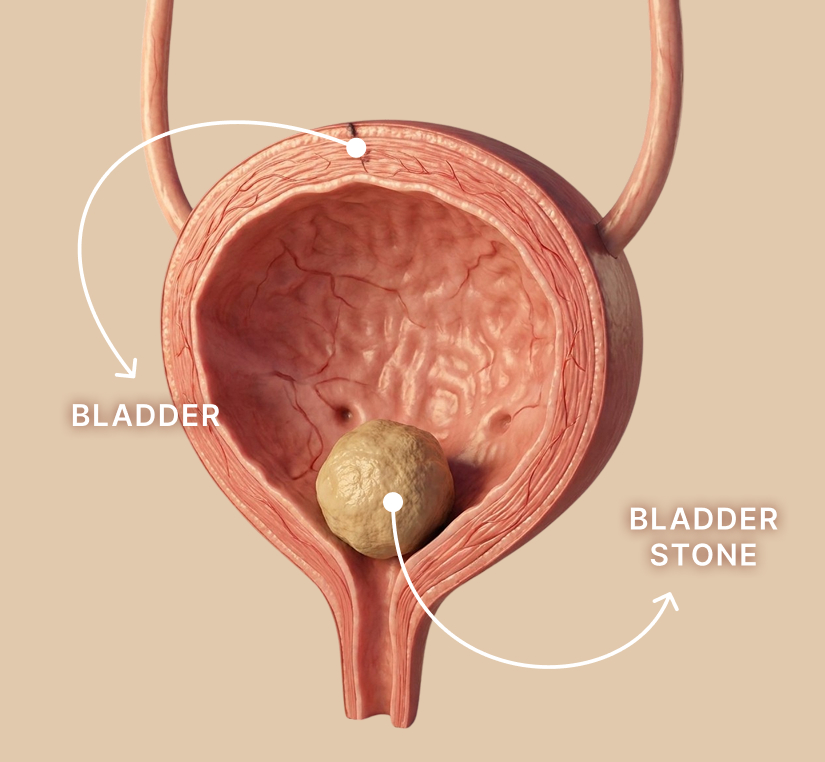
Illustration of a bladder with a bladder stone inside, labeled to show the bladder and the bladder stone. Bladder Stone Treatment in Singapore

Understanding Bladder Stones and Why They Matter

You may have noticed it takes longer to empty your bladder than it used to. Perhaps there is a dull ache low in your abdomen, or a pinkish tinge in the toilet bowl. These changes are easy to dismiss at first, but bladder stones rarely resolve on their own in adults.

Left untreated, they can grow, multiply, and steadily wear down your bladder’s ability to function normally. Mild discomfort can progress to disrupted sleep, recurrent infections, and difficulty urinating, affecting your daily routine.

This article explains how bladder stones are diagnosed, what causes them to form, and how a urologist determines the right treatment for your circumstances.

How a Bladder Stone Is Identified

What You Might Notice First

Bladder stones often produce symptoms that overlap with other urinary conditions. You might notice blood in your urine, a feeling that your bladder never fully empties, or a sharp sting at the end of urination. Some patients describe an intermittent stream that stops and starts unexpectedly.

These observations are important, but they are not enough to confirm a diagnosis on their own. Urinary tract infections, bladder tumours, and ureteric stones can produce similar complaints. A structured clinical evaluation is necessary to distinguish between them.

The Diagnostic Process

Your urologist will typically begin with a detailed history and physical examination, including an assessment of your lower abdomen. In male patients, a digital rectal examination evaluates the prostate. A urine test (urinalysis) detects signs of infection, blood, or abnormal crystal content.

Imaging confirms the diagnosis:

  • Ultrasound of the bladder reveals stones and assesses how well the bladder empties after voiding.
  • Plain radiography (a KUB X-ray) detects radio-opaque stones, though not all stone types are visible on X-ray.
  • CT scanning provides more detail when required.

Cystoscopy, passing a thin, flexible camera through the urethra into the bladder, often provides the most direct confirmation. It allows the specialist to view the stone directly, assess the bladder lining for chronic irritation, and evaluate the bladder outlet for

Why These Details Matter

Diagnosis goes beyond confirming a stone exists. Your urologist needs to determine the stone’s size, number, likely composition, and whether an underlying condition, such as bladder outlet obstruction, is contributing to its formation. These findings guide every decision that follows, from whether monitoring is appropriate to which procedure will be most suitable.

What Causes Bladder Stones to Develop

The Basic Mechanism

Bladder stones form when urine stays in the bladder too long. When the bladder does not empty, dissolved minerals become increasingly concentrated. Over time, mineral salts such as calcium oxalate, uric acid, or struvite crystallise and clump into solid masses.

Think of a pot of salt water left on a low simmer. As the water slowly evaporates, the salt concentration rises until crystals form on the bottom. Inside your bladder, incomplete emptying is the “evaporation,” and the crystals are the beginnings of a stone.

The Most Common Contributing Factors

Benign prostatic hyperplasia (an enlarged prostate) is one of the most frequent causes in male patients. As the prostate grows, it compresses the urethra and prevents the bladder from emptying fully. The residual urine that remains creates conditions for stone formation.

Neurogenic bladder dysfunction is another significant contributor. Conditions affecting nerve signalling to the bladder, such as spinal cord injuries, stroke, or diabetes-related nerve damage, impair the bladder’s ability to contract and empty efficiently.

Bladder diverticula [pouch-like outpouchings in the bladder wall] can trap urine in small pockets where stones may form undetected. Recurrent urinary tract infections, particularly those caused by urease-producing bacteria, can alter urine chemistry and promote struvite stone formation.

In some cases, foreign bodies within the bladder, such as retained surgical sutures, migrated mesh material, or catheter fragments, provide a surface on which minerals accumulate.

Lifestyle and Biological Factors

Chronic dehydration and prolonged immobility can contribute to concentrated urine and incomplete bladder emptying. Bladder stones are most often secondary to an underlying structural or functional urological condition rather than a standalone lifestyle problem.

Drinking more water, while helpful, will not dissolve a stone that has already formed or address the obstruction that caused it. Identifying and managing the root cause is essential to preventing recurrence.

Different Types and Stages of Bladder Stones

Stone Composition

Stone composition directly influences how a stone behaves and how it is treated.

  • Calcium-based stones (calcium oxalate and calcium phosphate) are among the most common. They tend to be hard and may require more energy to fragment during treatment.
  • Uric acid stones are typically softer and may not appear on standard X-rays, making ultrasound or CT imaging essential. In select cases, urinary alkalinisation may be considered, though it is more commonly used for kidney stones than for bladder stones.
  • Struvite stones form in the presence of urease-producing bacteria, grow rapidly, and often have a softer, chalky texture.
  • Cystine stones, caused by a genetic metabolic disorder, are less common but very hard and prone to recurrence.

In practical terms, your urologist may explain that “the stone is soft enough to break apart with standard instruments” or “the stone is very hard and may require a different energy source.”

Solitary, Multiple, and Complex Presentations

The number, size, and surface texture of stones also influence treatment planning. A single small, smooth stone presents a different clinical picture from multiple large, jagged stones that may be irritating the bladder wall.

Primary Versus Secondary Stones

Primary bladder stones form within the bladder without an obvious underlying obstruction. This pattern is more common in paediatric populations or in those with dietary factors contributing to stone formation. Secondary bladder stones, which represent the majority of adult cases seen in Singapore, develop as a consequence of incomplete bladder emptying caused by obstruction, infection, or neurological dysfunction.

How the Specialist Uses This Information

Your urologist considers a composite clinical picture that includes stone burden, composition, the underlying cause, and the degree of bladder compromise. This assessment determines both the urgency of intervention and the most appropriate technique for your situation.

When You Should See a Urologist About Bladder Stones

If you have been managing mild urinary discomfort with increased water intake or over-the-counter pain relief, there comes a point when these strategies are no longer sufficient. Self-management can mask a worsening condition and delay necessary intervention.

Seek specialist evaluation promptly if you experience:

  • Acute urinary retention (a sudden inability to pass urine at all)
  • Visible blood in your urine
  • Recurrent urinary tract infections
  • A progressive decline in the strength or consistency of your urine stream

Bladder stones in adults rarely dissolve or pass on their own. Unlike small kidney stones that may travel down the ureter and be excreted in the urine, bladder stones tend to remain in place and grow unless actively treated. Prolonged delay increases the risk of chronic bladder wall irritation, repeated infections, and, in severe cases, impaired urine drainage from the kidneys.

Seeing a urologist enables an accurate diagnosis, allowing the right management plan to be put in place before complications develop. The earlier a bladder stone and its underlying cause are identified, the simpler and less invasive the treatment is likely to be.

Experiencing blood in your urine or difficulty passing urine?

A structured urological assessment can identify the source of your symptoms and determine whether a bladder stone or underlying obstruction is present, providing diagnostic clarity before complications develop.

Your Treatment Path for Bladder Stones

The right treatment depends on the size and number of your stones, their likely composition, the underlying cause of stone formation, and your overall health. Below is an overview of clinical approaches across different levels of complexity.

Management of Small or Incidental Bladder Stones

Sometimes a bladder stone is discovered by chance during imaging performed for an unrelated reason. If the stone is small and you have no symptoms, your urologist may recommend a period of specialist-supervised observation rather than immediate intervention.

In the specific case of a small migratory stone discovered incidentally in an adult without symptoms, your urologist may adopt an observational approach, as active treatment may not be immediately required. However, unlike ureteral stones, bladder stones are generally unlikely to pass spontaneously, and any such decision must be guided entirely by your specialist.

Even when the stone appears clinically insignificant, investigating and addressing any underlying cause of urinary stasis remains important. A “watch and wait” approach should always be guided by your specialist, with scheduled follow-up imaging.

Management of Moderate Bladder Stones

For symptomatic stones of moderate size, transurethral cystolitholapaxy [a minimally invasive procedure performed through the urethra, without any external incision] is a standard approach. An endoscope, typically a cystoscope, nephroscope, or resectoscope, is passed into the bladder, and the stone is fragmented using a specialised energy source before the pieces are irrigated out.

The choice of energy source, which may include pneumatic, laser, ultrasonic, electrohydraulic, or mechanical lithotripsy, depends on the stone’s size and characteristics, available equipment, and the urologist’s clinical judgement.

This approach also allows the specialist to inspect the bladder lining and evaluate the bladder outlet for signs of obstruction. As with any procedure, inherent risks include infection, bleeding, and the possibility of incomplete stone clearance. These should be discussed thoroughly during your consultation.

Management of Large or Complex Bladder Stones

When the stone burden is very large, the composition is extremely hard, or a concurrent condition requires surgical correction, a more direct approach may be necessary.

  • Open suprapubic cystolithotomy involves a small incision in the lower abdomen to directly access and open the bladder, allowing removal of the stone — intact or in fragments — under direct vision.
  • Percutaneous suprapubic offers an alternative by accessing the bladder through a smaller tract, through which the stone is fragmented and removed.

These approaches are considered when endoscopic fragmentation would be impractical, or when a combined procedure offers a more appropriate option. For example, a patient with a large bladder stone caused by significant prostatic enlargement may benefit from stone removal performed at the same time as a prostatectomy.

Diagnosed with a bladder stone and considering your treatment options?

A clinical consultation with Dr Azhari can clarify which procedural approach is appropriate for your stone’s size, composition, and underlying cause, supporting a personalised management pathway.

Can Bladder Stones Be Prevented

Prevention works on two levels: addressing the underlying urological condition and making evidence-based adjustments to daily habits. If your stone formed because of an enlarged prostate, neurogenic bladder, bladder diverticulum, or a retained foreign body, managing or correcting that condition is the most impactful step you can take to reduce recurrence.

For patients with recurrent infections contributing to struvite stone formation, targeted antibiotic management and regular urine cultures can help reduce the risk.

Lifestyle Adjustments

Adequate hydration is the most widely recommended lifestyle measure. Drinking enough water throughout the day helps dilute the minerals in your urine and supports more complete bladder emptying. Your urologist may suggest a target daily fluid intake based on your individual needs.

Dietary modification, guided by stone composition analysis, can also play a role. Patients with calcium oxalate stones may benefit from moderating their intake of oxalate-rich foods, while those with uric acid stones may be advised to reduce their intake of purine-rich foods.

The Limits of Prevention

Some biological determinants cannot be fully eliminated. Anatomical predisposition, neurological conditions, and genetic metabolic disorders such as cystinuria may mean that stone formation remains an ongoing risk despite preventive efforts.

Periodic specialist screening is particularly important if you have a history of recurrent stones or ongoing bladder outlet obstruction. Detecting a new stone early, when it is small and asymptomatic, allows for less invasive management and better long-term outcomes.

Frequently Asked Questions About Bladder Stones

Are bladder stones the same as kidney stones?

No. Kidney stones form in the kidneys and may travel down the ureter, while bladder stones form within the bladder itself, usually due to incomplete emptying. The two conditions have different causes and often require different treatment approaches.

Can bladder stones pass on their own?

In adults, bladder stones rarely pass spontaneously. Unlike small kidney stones, bladder stones tend to remain in the bladder and grow over time unless treated. Specialist evaluation is recommended.

Will I need surgery, or can medication dissolve the stone?

Most bladder stones require procedural removal. Medication may help dissolve certain uric acid stones in limited circumstances, but this is not effective for the majority of stone types. Your urologist will advise on the most appropriate approach based on your stone’s composition and size.

How long does bladder stone removal take?

Duration varies depending on the size, number, and hardness of the stones, as well as the technique used. Your specialist will provide a more specific estimate during your consultation.

Will my bladder stone come back after treatment?

Recurrence is possible, especially if the underlying cause of stone formation is not addressed. Treating conditions such as prostatic obstruction or neurogenic bladder, and maintaining adequate hydration can help reduce the risk.

Is bladder stone removal painful?

Procedures are performed under anaesthesia, so you should not feel pain during the intervention. Some discomfort during the initial recovery period is common. Your urologist will discuss pain management options with you.

Can bladder stones cause permanent bladder damage?

If left untreated for a prolonged period, bladder stones can cause chronic inflammation and changes to the bladder lining. In rare cases, this may lead to more serious complications. Timely treatment helps preserve bladder function.

What happens if I leave a bladder stone untreated?

An untreated stone can grow, cause recurrent infections, worsen urinary symptoms, and potentially compromise kidney function if the obstruction becomes severe. Seeking specialist advice early is recommended.

Are bladder stones common in Singapore?

Bladder stones are seen regularly in urological practice in Singapore, particularly among older male patients with prostatic enlargement. They are less common than kidney stones but remain a clinically significant condition.

Do I need to change my diet after bladder stone treatment?

Dietary changes may be recommended depending on your stone composition. Your urologist may arrange stone analysis and provide specific guidance on hydration and diet to reduce the risk of recurrence.

Long-Term Bladder Health After Stone Treatment

Successful treatment is not defined solely by the absence of stones. It means your bladder empties properly, the condition that caused the stone has been addressed, and you have a clear plan for ongoing monitoring.

Follow-up appointments with your urologist are proactive, not a sign that something has gone wrong. They allow early detection of any new stone formation and ensure your bladder continues to function as it should.

With appropriate specialist guidance and a commitment to your follow-up plan, long-term bladder health is achievable. If you have concerns about recurring urinary symptoms or a history of bladder stones, consider arranging a specialist review to keep your urological health on track.

Concerned about recurring urinary symptoms or a history of bladder stones?

Periodic specialist review by Dr Azhari supports early detection of new stone formation and ensures that any underlying urological condition contributing to recurrence is appropriately monitored and managed.

Dr. Nor Azhari Bin Mohd Zam

Dr. Nor Azhari Bin Mohd Zam

MBBS (NUS)|MRCS (Edin.)|MMed Surgery (NUS)|FAMS (Urology)

With more than 15 years experience as a certified Urologist, Dr Nor Azhari specializes in treating a wide range of kidney, bladder and prostate conditions as well as disorders of the male reproductive organs.

He offers minimally invasive treatment options and provides same-day appointments for convenience.

  • Skilled urologist and kidney stone surgeon.
  • Director of Endourology (Urinary stone service) at Singapore General Hospital – 2016 to 2023.
  • Recognized with the College of Surgeons Gold Medal and Singapore Urological Association Book prize.
  • Minimally invasive treatment options available (non-invasive and endoscopic/key-hole techniques).

Make an Enquiry

For urgent or same day appointment requests, please call our hotline.

    Full Name*

    Email Address*

    Phone Number*

    Your Message*

    For Faster Response, call us!

    +65‎ 6334‎ 1486

    Our Clinic Locations

    Asian Healthcare Specialists (Novena)

    Mount Elizabeth Novena Specialist Centre
    38 Irrawaddy Road
    #08-41 Singapore 329563

    Asian Healthcare Specialists (Alvernia)

    Mount Alvernia Hospital
    820 Thomson Road Medical Centre Block A #05-03 Singapore 574623