Andropause Explained: Identifying the Symptoms of Low Testosterone in Men
Recognise low testosterone symptoms in men, from fatigue to mood changes. Understand andropause and


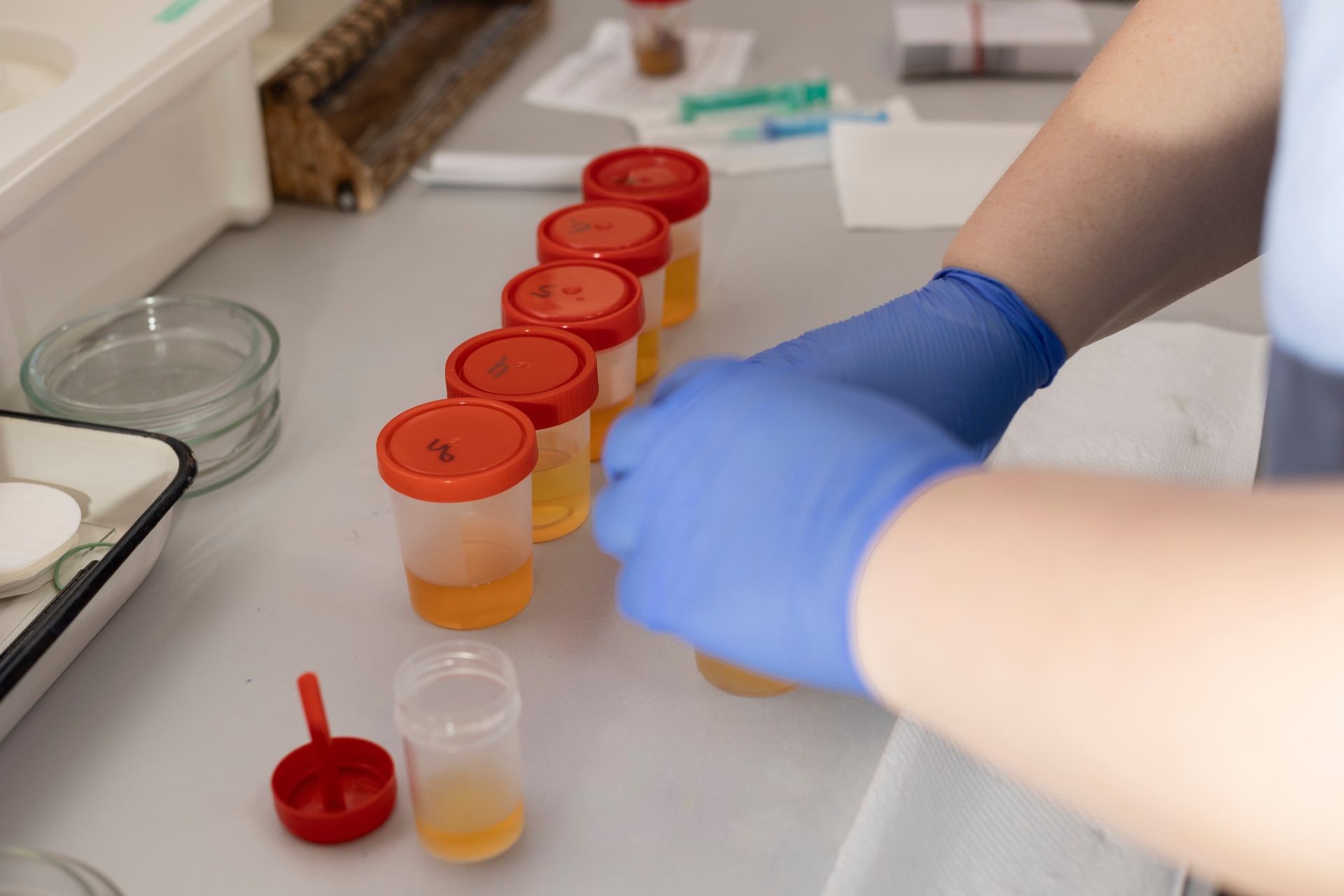
Noticing blood in your semen can be an alarming experience. Haematospermia is, in many cases, a benign and self-limiting condition.
Haematospermia is the presence of blood in semen. It occurs when blood enters the seminal fluid from the reproductive or urinary tract, producing a pink, red, or brownish discolouration. The condition may affect one ejaculation or persist across multiple episodes.
A single episode of blood in semen is different from recurrent haematospermia. A one-off occurrence, particularly in a younger man with no other symptoms, is often benign and resolves without intervention. Recurrent episodes, especially when accompanied by other symptoms such as pain or urinary changes, are more likely to indicate an underlying condition that warrants investigation.
Haematospermia can affect men of any age. In younger men, the cause is frequently inflammatory or infectious. In men over 40, the range of potential causes is broader, and a more thorough evaluation is typically recommended.
Blood in semen is more common than many men realise, and it remains underreported because many men feel embarrassed to raise the concern with their doctor.
In younger men under 40, most cases have a benign cause and resolve on their own within a few weeks. Even when the cause is likely benign, a clinical assessment helps rule out conditions that may benefit from early treatment. In men over 40, or in those with recurrent episodes, the likelihood of an identifiable underlying condition increases.
Blood in semen can arise from several different parts of the male reproductive and urinary tract.
Infections are among the most frequent causes of haematospermia, particularly in younger men. These include:
These infections cause inflammation in the tissues lining the reproductive tract, which can lead to small blood vessel ruptures and bleeding into the semen. Many bacterial infections generally respond to appropriate antibiotic treatment.
The prostate gland and seminal vesicles sit at the base of the bladder and contribute directly to semen production. Conditions affecting these structures are a common source of haematospermia, particularly in men over 40. These include:
While prostate cancer may occasionally present with haematospermia, it is a relatively uncommon cause. The presence of blood in semen alone is not a reliable indicator of malignancy.
Physical trauma to the perineum (the area between the scrotum and anus) or pelvis can cause bleeding into the reproductive tract. This may occur after:
Post-procedural haematospermia is well recognised and typically resolves within a few weeks as the tissues heal.
Sometimes, small blood vessels (capillaries) within the seminal vesicles or prostate become fragile or dilated, a condition similar to varicose veins. These vessels can rupture during ejaculation, releasing blood into the semen. Structural abnormalities such as arteriovenous malformations (abnormal connections between arteries and veins) are less common but can cause recurrent bleeding.
While rarer, the following causes should be considered, particularly in men with persistent or unexplained haematospermia:
| Cause | Typical Age Group | Usually Resolves on Its Own? |
|---|---|---|
| Prostatitis / genital tract infection | Any age, common under 40 | Yes, with treatment |
| Post-procedural (e.g., prostate biopsy) | Any age | Yes, within weeks |
| Benign prostatic hyperplasia (BPH) | Over 40 | Requires management |
| Seminal vesicle cysts or calcifications | Any age | Often, may need investigation |
| Vascular / capillary fragility | Any age | Variable |
| Anticoagulant medication use | Any age | Resolves with medication review |
| Hypertension | Over 40 | Requires blood pressure management |
| Malignancy | Over 40 | Requires treatment |
| Genitourinary tuberculosis | Any age | Requires treatment |
Certain factors may make you more likely to experience blood in semen:
The colour of blood-tinged semen can offer some initial clues about the source and timing of the bleeding, though colour alone is not diagnostic.
The colour can change between episodes, even in the same individual. A shift from bright red to brown often simply reflects the ageing of blood already present in the tract. Your doctor will use colour as one piece of information alongside your history, symptoms, and test results to reach a clinical assessment.
When you consult a urologist about blood in semen, the diagnostic process is structured and methodical. The approach varies depending on your age, the number of episodes, and any accompanying symptoms.
The consultation begins with a detailed medical history. Your urologist will ask about:
A physical examination typically follows, including a digital rectal examination (DRE) to assess the size, texture, and tenderness of the prostate gland. This examination, while briefly uncomfortable, provides valuable clinical information that complements imaging studies.
Depending on your history and examination findings, your urologist may request:
For a younger man experiencing a single episode with no other symptoms, the workup may be limited to a urine test and basic history. For older men or those with recurrent episodes, a broader panel of investigations is typically warranted.
If initial tests do not identify a clear cause, or if the haematospermia is recurrent, your urologist may recommend imaging:
A single painless episode of blood in semen in a man under 40 with no other symptoms does not always require urgent evaluation, though a consultation is still reasonable. However, you should arrange to see a urologist if:
Seek prompt urological assessment if you experience any of the following alongside blood in semen:
Treatment for blood in semen depends on the underlying cause, and management ranges from watchful waiting to targeted medical or minimally invasive interventions.
For younger men with a single episode of haematospermia, no identifiable underlying cause, and no accompanying symptoms, watchful waiting is a clinically appropriate approach. In these cases, the bleeding typically resolves on its own within a few weeks. Your urologist may advise you to monitor for recurrence and return if symptoms persist or new symptoms develop.
Reducing intense sexual activity temporarily may help in cases where physical exertion appears to be a contributing factor.
When an underlying cause is identified, treatment is directed at that cause:
| Cause | Typical Treatment | Expected Timeline for Resolution |
|---|---|---|
| Bacterial prostatitis / infection | Antibiotics (4–6 week course) | 2–6 weeks |
| Post-procedural bleeding | Watchful waiting | 2–4 weeks |
| Benign prostatic hyperplasia | Medication or minimally invasive procedure | Weeks to months |
| Seminal vesicle cyst | Monitoring or minimally invasive drainage | Variable |
| Anticoagulant-related bleeding | Medication review with prescribing doctor | Varies |
| Hypertension-related | Blood pressure optimisation | Weeks to months |
| Vascular malformation | Minimally invasive intervention | Variable |
| Idiopathic (no cause found, single episode) | Watchful waiting | Usually resolves within weeks |
Blood in semen (haematospermia) and blood in urine (haematuria) are two distinct conditions, though they can sometimes share underlying causes and occasionally occur together.
Haematospermia involves bleeding that originates within the reproductive tract, most commonly the prostate, seminal vesicles, or epididymis. The blood mixes with seminal fluid and is noticed at the time of ejaculation. Haematuria involves bleeding within the urinary tract, including the kidneys, ureters, bladder, or urethra, and is noticed in the urine.
Conditions such as prostatitis, BPH, and urinary tract infections can cause both symptoms simultaneously. If you notice blood in your urine as well as your semen, mention both to your urologist, as the two symptoms together may indicate a shared underlying cause that requires a broader evaluation. For more information on blood in the urine, you may find it helpful to review the haematuria condition and treatment information available as a complementary resource.
Many men delay raising urological concerns out of embarrassment or a belief that symptoms will resolve. In most cases, the findings are reassuring. Where they are not, earlier evaluation leads to earlier management and better outcomes.
Can stress or vigorous exercise cause blood in semen?
Vigorous physical activity, particularly cycling or activities that place pressure on the perineum, can occasionally cause minor trauma to small blood vessels in the reproductive tract, leading to a transient episode of blood in semen. Psychological stress alone is not a recognised direct cause. A single episode following intense physical activity in a young, otherwise healthy man is generally considered low risk.
Is haematospermia a sign of cancer?
In most cases, blood in semen is not a sign of cancer. Most episodes are caused by benign conditions such as infection, inflammation, or minor vascular changes. However, in men over 40 with recurrent or persistent haematospermia, a urological evaluation that includes prostate assessment is recommended to exclude malignancy. A urologist can advise on whether further investigation is appropriate based on individual history and risk factors.
How long does blood in semen typically last?
In benign or self-limiting cases, blood in semen often resolves within two to four weeks without treatment. When an underlying cause such as infection is identified and treated, resolution typically follows within a similar timeframe. Persistent haematospermia lasting beyond a month, or recurrent episodes, warrants further investigation to identify a treatable cause.
Can blood in semen affect fertility?
In most cases, haematospermia does not directly affect fertility. The presence of blood in semen does not typically impair sperm function or fertilisation. However, if the underlying cause involves significant infection or inflammation of the reproductive tract, this may have implications for sperm quality. If you have concerns about fertility alongside haematospermia, discuss a semen analysis with your urologist.
Should I avoid sexual activity if I notice blood in my semen?
There is no strict medical requirement to abstain from sexual activity in all cases of haematospermia. However, if you are experiencing pain, have a suspected infection, or have recently undergone a urological procedure, your doctor may advise temporary abstinence as part of your management. If the cause is unknown, discuss this with your urologist before resuming normal activity.
If you have noticed blood in your semen, take note of your symptoms, consider the risk factors outlined in this article, and seek a consultation if your symptoms are recurrent, accompanied by other concerns, or if you are over 40. In most cases, the evaluation provides reassurance. Where a treatable cause is found, earlier management leads to faster resolution.
If blood in semen has been a concern for you, Dr Azhari can provide a thorough, personalised evaluation to help identify the cause and guide appropriate management. Same-day consultations may be available.

Former Director of Endourology (Urinary stone service) Singapore General Hospital 2016 to 2023
With more than 20 years experience as a certified Urologist, Dr Nor Azhari specializes in treating a wide range of kidney, bladder and prostate conditions as well as disorders of the male reproductive organs. He offers minimally invasive treatment options and provides same-day appointments for convenience.
For urgent or same day appointment requests, please call our hotline.
Recognise low testosterone symptoms in men, from fatigue to mood changes. Understand andropause and

Learn what happens during your first urologist consultation in Singapore, including tests involved a
Key Considerations for Choosing a Urologist at Mount Elizabeth Singapore Selecting a urologist
What to Expect at a Circumcision Clinic in Singapore Choosing a circumcision clinic in Singapore i
 Optimized by Seraphinite Accelerator