Fraud Blocker

Same Day Appointments Available

Penile Curvature (Peyronie’s Disease) Treatment in Singapore

Living with penile curvature can impact quality of life and intimate relationships. Men may experience physical discomfort and emotional concerns when dealing with Peyronie’s disease, and may delay seeking medical consultation due to embarrassment or uncertainty about available treatment options.

Peyronie’s disease treatment encompasses various medical and surgical approaches that aim to reduce penile curvature, alleviate pain, and support sexual function. In Singapore, Dr Azhari provides comprehensive evaluation and treatment plans based on the severity of curvature and individual patient needs. Contemporary treatment approaches can help in managing this condition.

doctor img
Dr. Nor Azhari Bin Mohd Zam

MBBS (NUS)|MRCS (Edin.)|MMed Surgery (NUS)|FAMS (Urology)

Screenshot Penile Curvature (Peyronie’s Disease) Treatment in Singapore

What is Peyronie’s Disease Treatment?

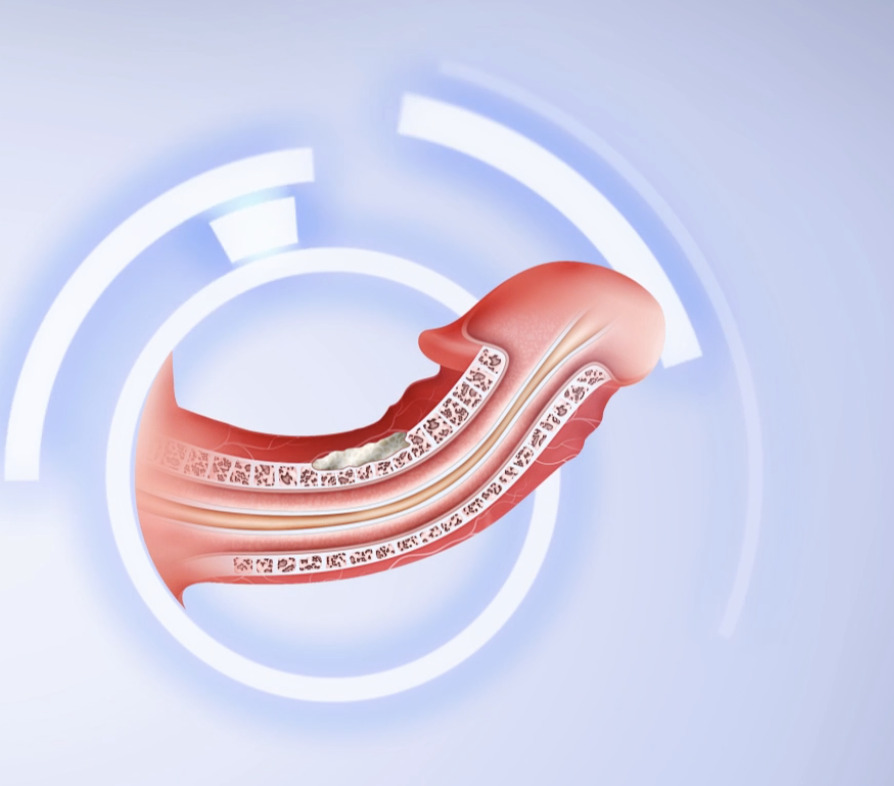
Peyronie’s disease treatment addresses the abnormal curvature of the penis caused by fibrous scar tissue (plaque) formation within the penile shaft. This condition may affect men, typically developing in middle age, though younger men can also be affected.

Treatment aims to help straighten the penis, reduce pain, and preserve or restore erectile function. Treatment approaches range from oral medications and injections to surgical intervention, depending on disease phase and severity. The acute phase involves managing pain and preventing progression, while the stable phase focuses on correcting established deformity.

Peyronie’s disease treatment addresses various presentations, including upward, downward, or lateral curvature, hourglass deformity, and penile shortening. The condition can result from penile trauma, genetic factors, or develop spontaneously. Without treatment, some men may experience progressive worsening, while others may see stabilisation or slight improvement over time.

Who is a Suitable Candidate?

Potential Candidates

Potential Candidates

  • Men with penile curvature affecting sexual function
  • Patients experiencing pain during erection in the acute phase
  • Individuals with stable disease (no change in curvature for several months)
  • Men unable to engage in sexual intercourse due to curvature
  • Patients with adequate erectile function or those responding to ED medications
  • Men psychologically prepared for treatment with realistic expectations
  • Individuals who have completed conservative management without improvement
Contraindications

Contraindications

  • Active urinary tract infections or penile infections
  • Bleeding disorders or current anticoagulation therapy (for surgical options)
  • Poor overall health status precluding surgery
  • Unrealistic expectations about treatment outcomes
  • Ventral curvature with urethral involvement (specific surgical limitations)
  • Severe erectile dysfunction not responsive to medical therapy

Professional assessment by the best urologist in Singapore has to offer is essential to determine the most appropriate, individualized treatment approach. The specialist will evaluate curvature degree, erectile function, disease stability, and overall health status to develop an individualised treatment plan.

Treatment Techniques & Approaches

  • Oral Medications

    Oral therapy may be considered for early-stage Peyronie’s disease. Medications such as pentoxifylline, vitamin E, and potassium para-aminobenzoate might help reduce plaque formation and pain. These medications offer a non-invasive approach during the acute inflammatory phase.

  • Intralesional Injection Therapy

    Direct injection of medication into the penile plaque provides targeted treatment. Collagenase clostridium histolyticum breaks down collagen within the plaque and may help reduce curvature. Verapamil and interferon alfa-2b injections are alternative options that might help soften plaque and reduce deformity.

  • Surgical Correction

    Surgical intervention may be considered when conservative treatments are insufficient and curvature significantly impairs sexual function. Three main surgical approaches exist: plication procedures shorten the longer side of the penis, grafting procedures lengthen the shorter side using tissue grafts, and penile prosthesis implantation addresses concurrent erectile dysfunction while straightening the penis.

  • Technology & Equipment Used

    Modern treatment utilises ultrasound imaging for plaque assessment and treatment planning. Doppler ultrasound evaluates blood flow and erectile function. Surgical procedures employ microsurgical techniques and specialised instruments for correction. Some centres use traction devices as adjunct therapy to maintain or improve penile length.

Wondering which approach might be suitable for you?

Dr Azhari will evaluate your specific needs and discuss available treatment options.

The Treatment Process

Pre-Treatment Preparation

Before treatment, a comprehensive evaluation includes medical history review, physical examination, and curvature assessment using photography or injection-induced erection. Ultrasound imaging maps plaque location and extent. Erectile function testing determines if concurrent ED treatment is needed.

Patients may need to discontinue blood thinners before surgical procedures as directed by their healthcare professional. Smoking cessation may improve healing outcomes. Psychological counselling may benefit patients with relationship concerns or anxiety. Partners are encouraged to participate in consultations to understand the treatment process.

During the Procedure
  • Non-surgical treatments: Oral medications require daily administration over several months. Injection therapy involves multiple sessions. Each injection takes approximately 10-15 minutes with local anaesthesia applied first.
  • Surgical procedures: Operations occur under general or spinal anaesthesia. Plication involves placing permanent sutures to straighten the penis. Grafting procedures require harvesting graft material and precise placement. Prosthesis implantation involves inserting inflatable or malleable cylinders.
Immediate Post-Treatment

Following surgery, patients recover in the observation area. A compression dressing may help minimise swelling. Catheter placement may be necessary. Pain medication can help manage discomfort.

For injection therapy, ice application may reduce swelling post-procedure. Patients can resume normal activities but should avoid sexual activity as advised by their healthcare professional. Mild bruising and swelling may occur.

Recovery & Aftercare

First 24-48 Hours

Surgical patients should rest with limited movement. Ice packs applied intermittently may help reduce swelling (never directly on skin). Pain medication taken as prescribed aims to maintain comfort. The surgical dressing remains dry and intact.

Watch for signs of infection, including fever, excessive swelling, or unusual discharge. Catheter care involves keeping the drainage bag below bladder level. Light activities like walking may promote circulation.

First Week

Daily wound inspection helps ensure proper healing. Showering is permitted after 48 hours with a waterproof dressing. Antibiotics may prevent infection if prescribed. Follow-up appointment confirms normal healing progress.

Avoid lifting heavy objects or strenuous activities. Loose-fitting clothing prevents irritation. Swelling and bruising gradually improve. Some patients return to desk work within several days.

Long-term Recovery

Sexual activity may resume after several weeks for surgical patients, as advised by your healthcare professional. Gentle stretching exercises may be recommended. Regular follow-up monitors treatment effectiveness and identifies any complications.

Complete healing can take several months. Some patients may benefit from vacuum erection devices or traction therapy to support outcomes. Psychological support helps couples adjust to changes. Outcomes vary by treatment type and individual factors.

Our urologist provides comprehensive post-procedure support to help ensure proper recovery. Schedule your consultation to learn more about what to expect.

Benefits of Peyronie’s Disease Treatment

Treatment may help improve sexual function by addressing penile curvature to support more comfortable intercourse. Some patients may experience significantly improved confidence and reduced anxiety about intimate relationships—anxieties that otherwise often compound into secondary performance issues needing treatments like premature ejaculation Singapore. Pain reduction can occur during treatment, though timelines vary by individual.

Physical outcomes may include improved ability to maintain erections without discomfort and enhanced penile rigidity in some cases. Partners may experience increased comfort during intercourse. Treatment aims to prevent further progression of curvature that might otherwise develop over time.

Psychological outcomes can extend beyond sexual function. Men may experience reduced depression and relationship stress. Quality of life measures can show improvement following treatment. Some patients report improved self-esteem and well-being. Early treatment intervention may offer advantages compared to delayed treatment.

Risks & Potential Complications

Common Side Effects

Injection therapy may cause temporary bruising, swelling, and mild pain at injection sites. These typically resolve within days. Penile bruising may appear extensive, but it is generally not harmful. Patients may experience temporary numbness that can resolve spontaneously.

Surgical procedures can result in expected swelling and discomfort for several weeks. Temporary changes in penile sensation may occur in patients but typically normalise within months. Minor penile shortening may occur with plication procedures.

Rare Complications

Surgical complications may include infection, haematoma formation requiring drainage, and wound healing problems. Erectile dysfunction may worsen in rare cases. Recurrent curvature can affect patients.

Injection therapy may rarely cause penile fracture or allergic reactions. Corporal rupture is an extremely rare but serious complication. Patients may develop additional scarring or nodules.

Risk minimisation involves choosing urologists familiar with multiple techniques. Proper patient selection, meticulous surgical technique, and adherence to post-operative instructions can help reduce complication rates. Complications are manageable with appropriate intervention.

Cost Considerations

Treatment costs vary significantly based on the chosen approach and complexity. Non-surgical options like oral medications and injection therapy require multiple sessions over several months. Surgical procedures involve single-session costs but include operating theatre fees, anaesthesia, and hospital stay.

Factors affecting cost include disease severity, chosen treatment modality, need for concurrent erectile dysfunction treatment, and whether revision procedures become necessary. Treatment plans typically include pre-operative assessment, the procedure itself, post-operative care, and follow-up consultations.

Frequently Asked Questions

How long does the surgical correction of Peyronie’s disease take to perform?

Surgical procedures may take varying durations depending on the technique used. Plication procedures are generally shorter, whilst grafting procedures or penile prosthesis implantation may take longer. The complexity of your curvature and chosen surgical approach determines the exact duration. Your urologist will provide a more accurate timeframe during consultation.

Can Peyronie’s disease return after treatment?

Recurrence varies by treatment type. Surgical correction has a low recurrence when performed after disease stabilisation. Injection therapy may require repeat courses if curvature returns. New plaque formation in different locations is possible but uncommon. Regular follow-up helps identify any changes early for prompt management.

When can I resume sexual activity after treatment?

Timeline varies by treatment type. After injection therapy, patients may need to wait before sexual activity. Surgical patients typically need several weeks for complete healing before resuming intercourse. Your urologist will provide specific guidelines based on your healing progress. Premature sexual activity risks complications and compromised results.

Will treatment affect penis size?

Some treatments may affect penile length. Plication procedures may result in some shortening as they work by shortening the longer side. Grafting procedures aim to preserve length by lengthening the shorter side. Injection therapy generally doesn’t affect length significantly. Your urologist will discuss expected changes based on your chosen treatment.

Is Peyronie’s disease treatment painful?

Discomfort levels vary by treatment. Injection therapy causes brief discomfort during administration despite local anaesthesia. Surgical procedures are performed under anaesthesia, so no pain during surgery. Post-operative discomfort is well-managed with medication. Most patients find the temporary discomfort acceptable given the long-term benefits.

How effective is Peyronie’s disease treatment?

Effectiveness depends on treatment type and initial severity. Surgical correction may achieve straightening sufficient for intercourse in many cases. Injection therapy can reduce curvature. Patient satisfaction is generally high when expectations are realistic. Your urologist will discuss expected outcomes based on your specific condition.

Can I prevent Peyronie’s disease from worsening without treatment?

Whilst some cases stabilise naturally, active treatment during the acute phase may help prevent progression. Avoiding penile trauma, managing risk factors like diabetes, and early intervention when symptoms appear may help. However, established curvature rarely improves without treatment. Regular monitoring helps determine if active treatment becomes necessary.

Are there non-surgical alternatives if I’m not ready for surgery?

Yes, several non-surgical options exist. Oral medications, injection therapy, and traction devices offer alternatives to surgery. Advancements like shock wave therapy for erectile dysfunction and radiation therapy are also being studied for their potential benefits in mild to moderate curvature cases. These options may work for mild to moderate curvature. Your urologist will recommend appropriate alternatives based on your condition severity and preferences.

Conclusion

Peyronie’s disease treatment may offer options for men experiencing penile curvature and its associated challenges. From conservative management to surgical correction, various treatment approaches can help address different degrees of curvature and aim to support sexual function. The key to appropriate outcomes lies in early consultation, accurate diagnosis, and selecting the suitable treatment based on individual circumstances.

With proper treatment from trained urologists, men may achieve improvement in penile curvature and quality of life. Don’t let embarrassment prevent you from seeking help for this condition.

Ready to Take the Next Step?

If you’re considering Peyronie’s disease treatment, Dr Azhari can help you understand if it may be suitable for your needs. With experience in penile curvature management, we provide personalised care throughout your journey.

Dr. Nor Azhari Bin Mohd Zam

Dr. Nor Azhari Bin Mohd Zam

MBBS (NUS)|MRCS (Edin.)|MMed Surgery (NUS)|FAMS (Urology)

With more than 15 years experience as a certified Urologist, Dr Nor Azhari specializes in treating a wide range of kidney, bladder and prostate conditions as well as disorders of the male reproductive organs.

He offers minimally invasive treatment options and provides same-day appointments for convenience.

  • Skilled urologist and kidney stone surgeon.
  • Director of Endourology (Urinary stone service) at Singapore General Hospital – 2016 to 2023.
  • Recognized with the College of Surgeons Gold Medal and Singapore Urological Association Book prize.
  • Minimally invasive treatment options available (non-invasive and endoscopic/key-hole techniques).

Make an Enquiry

For urgent or same day appointment requests, please call our hotline.

    Full Name*

    Email Address*

    Phone Number*

    Your Message*

    For Faster Response, call us!

    +65‎ 6334‎ 1486

    Our Clinic Locations

    Asian Healthcare Specialists (Novena)

    Mount Elizabeth Novena Specialist Centre
    38 Irrawaddy Road
    #08-41 Singapore 329563

    Asian Healthcare Specialists (Alvernia)

    Mount Alvernia Hospital
    820 Thomson Road Medical Centre Block A #05-03 Singapore 574623