Blood in the Urine: Haematuria Causes and Treatment
Understand haematuria causes, from UTIs to bladder conditions. Learn when blood in urine needs medic


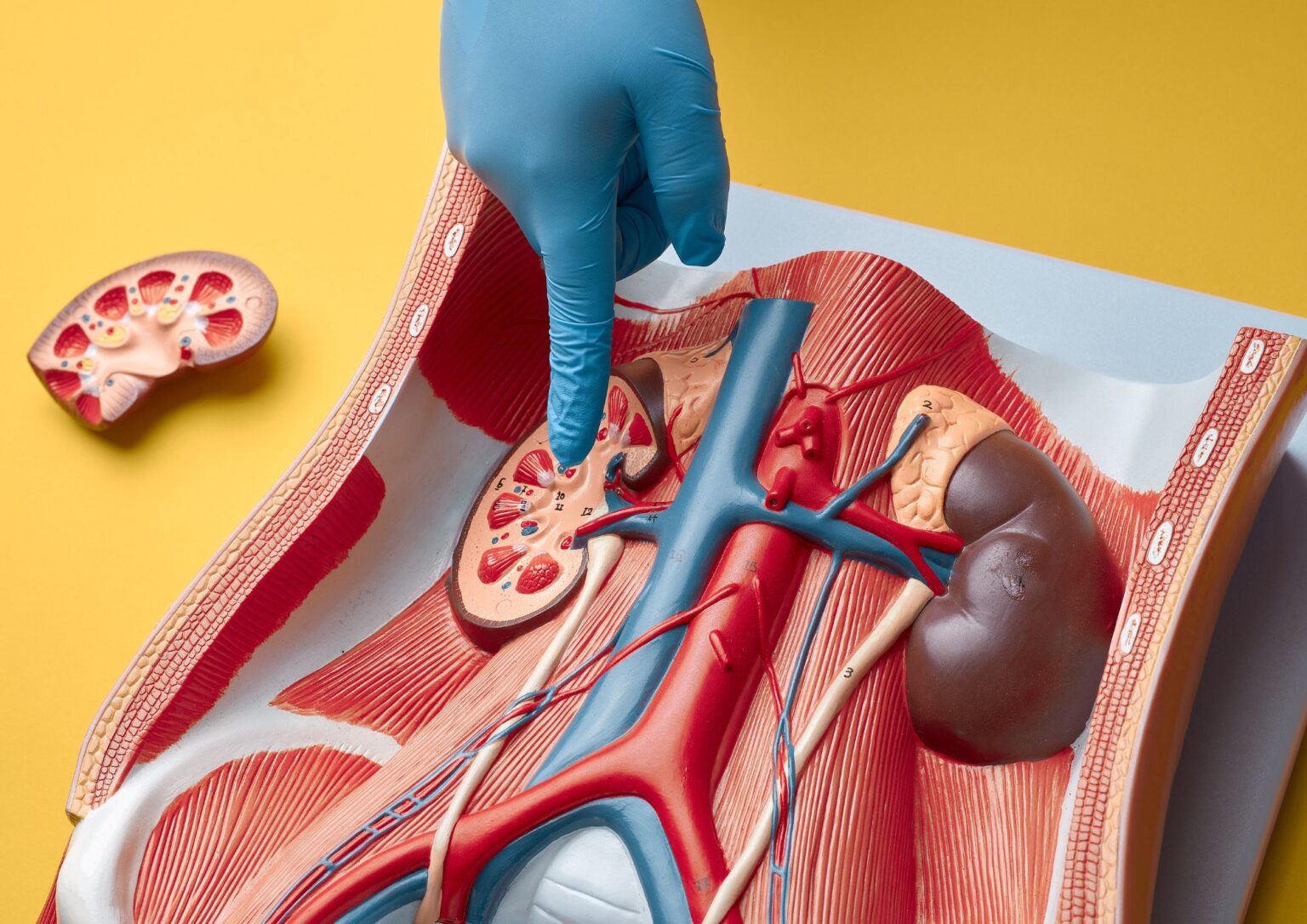
Did you know that kidney stones larger than 2 centimetres cannot be effectively treated with shock wave therapy alone? Percutaneous nephrolithotomy (PCNL) is a minimally invasive surgical procedure designed to remove large or complex kidney stones that other treatment methods cannot adequately address. The procedure involves creating a small incision in the back to access the kidney directly, allowing surgeons to extract stones that would otherwise cause persistent pain, urinary obstruction, or kidney damage.
Percutaneous nephrolithotomy is a surgical technique that creates direct access to the kidney through a small incision in the skin. The term “percutaneous” means through the skin, while “nephrolithotomy” refers to kidney stone removal through direct access to the kidney. During the procedure, a urologist creates a narrow tract from the skin surface to the kidney’s collecting system, inserts specialised instruments through this channel, and fragments or removes the stones.
PCNL is typically considered for:
Before the procedure, you will undergo imaging studies such as CT scans or ultrasounds to map the exact location and size of the stones. Blood tests and urine cultures help identify any infections that require treatment before surgery. Your physician will review your medications, particularly blood thinners, which may need to be temporarily discontinued.
PCNL is performed under general anaesthesia. The patient is positioned face down on the operating table. The urologist performs the following steps:
The procedure generally takes 2-4 hours, depending on stone size and complexity.
Most patients remain hospitalised for 1-3 days following PCNL. The nephrostomy tube typically stays in place for 1-2 days, though complex cases may require longer drainage.
Mild to moderate pain at the incision site is common. Prescription pain medications are provided, and discomfort typically improves significantly within the first few days.
You should avoid heavy lifting (over 10 pounds) and strenuous physical activity for 2-4 weeks. Most patients can return to desk work within 1-2 weeks, though physically demanding jobs may require a more extended recovery period.
A follow-up imaging study (usually a CT scan or ultrasound) is performed 2-4 weeks after surgery to confirm complete stone clearance. Residual fragments may require additional treatment.
PCNL is highly effective for the management of large and complex kidney stones. While the primary goal is to achieve complete stone clearance in a single session, the final outcome depends on the size, location, and composition of the stones. For particularly complex cases, such as staghorn calculi, the procedure aims to remove the majority of the stone burden, though the complexity of these cases may influence the overall clearance rate compared to simpler stones.
As with any surgical intervention, PCNL carries potential risks. A balanced understanding of these complications is essential for informed patient consent:
Bleeding: This is a known risk during and after the procedure. While most cases are manageable, some patients may require additional clinical intervention to address significant blood loss.
Infection: Despite the use of preventative antibiotics, there is a risk of urinary tract infection or more serious systemic infection (sepsis), especially if the stones contain trapped bacteria.
Injury to Adjacent Structures: Due to the proximity of the kidneys to other organs, there is a rare possibility of injury to the colon, spleen, or liver during the creation of the access tract.
Residual Fragments: In some instances, small stone fragments may remain after the initial procedure, which may require monitoring or subsequent treatment.
Urine Leakage: Temporary leakage of urine from the incision site may occur, particularly if the drainage tubes are dislodged or removed before the tract has fully healed.
SWL is non-invasive but less effective for large stones. Stone-free rates decrease significantly for stones over 2 cm. PCNL is preferred for large or complex stone burdens.
This approach accesses the kidney through the natural urinary tract. While less invasive than PCNL, it is time-consuming for large stones and may require multiple procedures.
Rarely performed today, open nephrolithotomy involves a large incision and a longer recovery. It is reserved for highly complex cases where minimally invasive techniques are not feasible.
After successful stone removal, prevention becomes critical:
Is it normal to see blood in my urine after the procedure?
Yes, it is common to experience blood-tinged urine for several days to a couple of weeks as the kidney and ureter heal. However, if the bleeding becomes bright red, thick, or contains large clots, you should contact your urologist immediately for evaluation.
Will I have a permanent scar from the PCNL incision?
The incision used for PCNL is typically very small, measuring about 1cm in length. While a small mark may remain, it usually fades significantly over time and is much less noticeable than the scars resulting from traditional open surgery.
Can I undergo PCNL if I am currently taking blood-thinning medications?
Surgery generally cannot proceed while on active blood thinners due to the risk of bleeding; however, this does not disqualify you from the procedure. Your urologist will coordinate a plan to safely pause or “bridge” your medication a few days before the surgery.
What happens if I develop a fever once I return home?
A fever after PCNL can be a sign of a urinary tract infection or a more serious systemic infection. If your temperature rises above 38°C, you must seek medical attention urgently, as post-surgical infections require prompt antibiotic treatment.
Does having PCNL once mean I won’t get kidney stones again?
PCNL removes existing stones but does not change the underlying metabolic conditions that caused them. To prevent recurrence, it is essential to follow a personalised plan involving increased hydration, dietary adjustments, and sometimes medication based on your stone analysis.
PCNL provides effective treatment for large kidney stones with minimal invasiveness compared to traditional open surgery. The procedure achieves high stone-free rates and allows most patients to return to normal activities within 2–4 weeks. Understanding the technique, recovery process, and prevention strategies helps optimise outcomes and reduce the risk of recurrence.
If you are experiencing severe flank pain, recurrent urinary tract infections, or have been diagnosed with large kidney stones, schedule a consultation with Dr Azhari to determine the most appropriate treatment approach for your condition.

Former Director of Endourology (Urinary stone service) Singapore General Hospital 2016 to 2023
With more than 20 years experience as a certified Urologist, Dr Nor Azhari specializes in treating a wide range of kidney, bladder and prostate conditions as well as disorders of the male reproductive organs. He offers minimally invasive treatment options and provides same-day appointments for convenience.
For urgent or same day appointment requests, please call our hotline.

Understand haematuria causes, from UTIs to bladder conditions. Learn when blood in urine needs medic
Understand kidney cyst causes, diagnosis methods, and when treatment may be needed from a urological

Dietary and lifestyle strategies to prevent kidney stones from recurring. Practical hydration, diet,
Learn how ESWL kidney stone treatment works, who may be suitable, and what to expect. A urologist ex

When Do You Need Kidney Stone Treatment? Kidney stone treatment in Singapore is essential when
Why Kidney Stone Removal is Necessary Kidney stone removal in Singapore is a common procedure d
 Optimized by Seraphinite Accelerator