Fraud Blocker

Same Day Appointments Available

Prostate Cancer Treatment in Singapore

A prostate cancer diagnosis can feel overwhelming, bringing uncertainty about treatment options and what lies ahead. In Singapore, patients have access to comprehensive prostate cancer treatment approaches that combine established medical protocols with personalised care strategies. MOH-accredited urologists understand the physical and emotional challenges this diagnosis presents, providing support throughout your treatment journey. From initial diagnosis through treatment selection and recovery, the focus is on achieving positive outcomes whilst maintaining quality of life. This guide explores the various treatment options available, helping you understand what to expect at each stage of your care.

doctor img
Dr. Nor Azhari Bin Mohd Zam

MBBS (NUS)|MRCS (Edin.)|MMed Surgery (NUS)|FAMS (Urology)

prostate cancer Prostate Cancer Treatment in Singapore

What is Prostate Cancer Treatment?

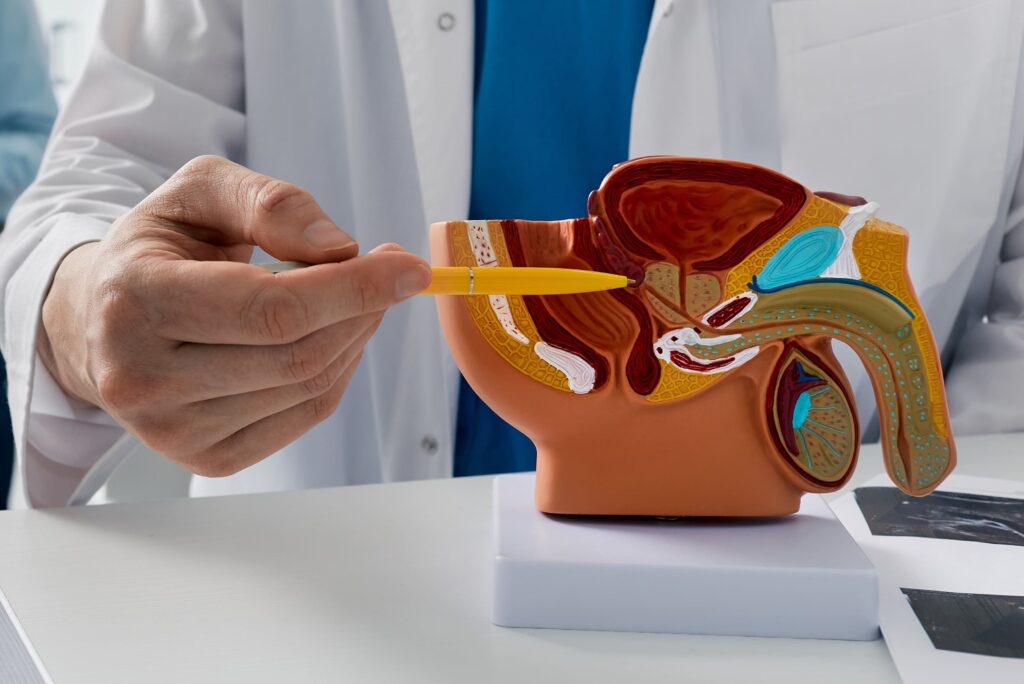
Prostate cancer treatment includes various medical interventions to manage or control cancerous cells in the prostate gland. The prostate is a walnut-sized gland below the bladder in men that produces fluid to nourish and transport sperm. When cancer develops in this gland, treatment approaches range from active surveillance for slow-growing tumours to immediate intervention for aggressive cancers.

Treatment selection depends on cancer stage, Gleason score (cancer aggressiveness), PSA levels, patient age, and overall health. Contemporary prostate cancer treatment in Singapore uses multidisciplinary approaches, combining surgery, radiation therapy, hormone therapy, and newer targeted treatments based on individual patient needs.

The primary goal is cancer management whilst aiming to preserve urinary continence, maintain sexual function when possible, and support quality of life. Treatment planning considers cancer characteristics alongside patient preferences and circumstances. Urologists work closely with oncologists, radiation specialists, and other healthcare professionals to develop comprehensive treatment strategies tailored to each patient’s specific situation.

Individual results and treatment outcomes may vary.

Who is a Suitable Candidate?

Candidates for Active Treatment

  • Men with confirmed prostate cancer diagnosis through biopsy
  • Patients with localised or locally advanced prostate cancer
  • Individuals with adequate general health to undergo treatment
  • Men with life expectancy exceeding 10 years for curative treatments
  • Patients showing elevated or rising PSA levels with confirmed malignancy
  • Those with intermediate to high-risk cancer characteristics
  • Men who understand treatment implications and can provide informed consent

Active Surveillance Candidates

  • Patients with low-risk, slow-growing prostate cancer
  • Men with small tumour volumes confined to the prostate
  • Individuals with Gleason score 6 or low-volume Gleason 7 (3+4)
  • Older patients where treatment risks may outweigh benefits
  • Those with significant medical conditions affecting treatment tolerance

Contraindications

  • Severe cardiovascular disease preventing safe anaesthesia (for surgery)
  • Blood clotting disorders unresponsive to management
  • Previous pelvic radiation (may limit treatment options)
  • Uncontrolled medical conditions requiring stabilisation first
  • Anatomical factors preventing certain surgical approaches
  • Severe urinary obstruction requiring initial management

Thorough assessment is essential. MOH-accredited urologists conduct comprehensive evaluations including physical examination, imaging studies, and laboratory tests to determine the most appropriate treatment approach. Each patient’s unique circumstances guide treatment recommendations, ensuring personalised care that addresses both cancer control and quality of life considerations.

Treatment Techniques & Approaches

Radical Prostatectomy

Radical prostatectomy involves complete surgical removal of the prostate gland and surrounding tissues. This approach may provide treatment for localised prostate cancer. Robot-assisted laparoscopic prostatectomy has become increasingly common, offering enhanced visualisation during surgery. The procedure aims to preserve nerve bundles when possible to help maintain erectile function. Open surgery remains an option for complex cases or specific anatomical considerations. Individual results and outcomes may vary.

Radiation Therapy

External beam radiation therapy (EBRT) delivers targeted radiation to the prostate over several weeks. Intensity-modulated radiation therapy (IMRT) allows dose delivery whilst minimising exposure to surrounding tissues. Brachytherapy involves placing radioactive seeds directly into the prostate, providing localised radiation from within. Some patients may benefit from combination approaches using both external beam and brachytherapy. Treatment response varies by individual.

Hormone Therapy (Androgen Deprivation)

Hormone therapy reduces testosterone levels that fuel prostate cancer growth. Treatment options include LHRH agonists or antagonists administered through injections, anti-androgens taken orally, or surgical castration in selected cases. This approach often combines with radiation therapy for intermediate and high-risk cancers. Duration varies from months to years depending on cancer characteristics and treatment goals. Individual treatment plans and responses may vary.

Technology & Equipment Used

Modern prostate cancer treatment utilises technology including robotic surgical systems for enhanced precision, image-guided radiation therapy systems, and real-time imaging for treatment planning. Multiparametric MRI assists in cancer localisation and treatment monitoring. Contemporary biopsy techniques including MRI-fusion biopsy may improve diagnostic accuracy.

Wondering which approach might be suitable for you?

Our MOH-accredited urologists in Singapore will evaluate your specific needs and discuss available treatment options.

The Prostate Cancer Treatment Process

Pre-Treatment Preparation

Before treatment begins, comprehensive staging may determine cancer extent through bone scans, CT scans, or PET scans. Blood tests can assess overall health and organ function. Patients meet with specialists to discuss treatment options and potential outcomes. Pre-surgical patients undergo cardiac clearance and anaesthesia assessment. Bowel preparation may be required before surgery or certain radiation protocols. Medications requiring adjustment are identified and managed.

During the Procedure

  • Surgical Treatment: Radical prostatectomy is performed under general anaesthesia. The surgeon removes the prostate, seminal vesicles, and possibly lymph nodes for examination. Nerve-sparing techniques may help preserve erectile function when cancer location permits. A urinary catheter is placed to allow healing of the bladder-urethra connection.
  • Radiation Therapy: External beam treatments occur daily, with each session involving the patient lying still while the linear accelerator delivers targeted radiation. Brachytherapy seed implantation is performed under anaesthesia, with ultrasound guidance for seed placement.
  • Hormone Therapy: Initial treatment involves injection administration in clinic settings. Oral medications begin according to prescribed schedules. Regular monitoring aims to ensure treatment effectiveness and manage potential side effects.

Immediate Post-Treatment

Surgical patients recover in hospital with pain management and catheter care education. Radiation therapy patients return home immediately after daily treatments. Brachytherapy patients may experience temporary urinary symptoms requiring medication. Hormone therapy patients receive guidance on managing treatment effects. All patients schedule follow-up appointments for monitoring and support.

Individual results and timelines may vary.

Prostate Cancer Recovery & Aftercare

First 24-48 Hours

Surgical patients focus on pain management, early mobilisation, and catheter care. Ice packs may help reduce swelling and discomfort. Clear liquids can progress to regular diet as tolerated. Walking may help prevent blood clots and support recovery. Radiation patients may experience mild fatigue or urinary frequency. Brachytherapy patients should monitor for urinary retention requiring medical attention. Pain medication and anti-inflammatory drugs can provide comfort as needed.

First Week

Surgical patients may gradually increase activity levels whilst avoiding heavy lifting or straining. Catheter care continues with careful hygiene maintenance. Bowel function typically returns to normal. Radiation therapy continues with daily treatments and symptom management. Skin care becomes important for external beam patients. Hormone therapy effects may begin appearing, including hot flashes or mood changes. All patients should maintain hydration and balanced nutrition supporting healing.

Long-term Recovery

Catheter removal may occur post-surgery, with continence exercises beginning as advised. Patients may regain urinary control through pelvic floor exercises. Erectile function recovery varies and may take time with or without medical assistance. PSA monitoring begins as recommended post-treatment, continuing regularly thereafter. Radiation effects may resolve gradually over time. Hormone therapy patients can adapt to treatment effects with appropriate support and management strategies.

Individual results and timelines may vary.

Our MOH-accredited urologists can provide post-procedure support information.

Schedule your consultation to learn more about what to expect.

Benefits of Prostate Cancer Treatment

Prostate cancer treatment may help achieve disease control, which could support improved survival prospects. Some patients may achieve cancer remission, particularly when treatment begins at early stages. Quality of life improvements may occur as cancer-related symptoms are addressed, including urinary difficulties and pelvic discomfort.

Modern treatment approaches aim to preserve function alongside cancer control. Nerve-sparing surgical techniques and precision radiation delivery may help maintain continence and sexual function in suitable candidates. Combination therapies may enhance treatment effectiveness while potentially reducing individual treatment intensities.

Psychological benefits may accompany treatment, potentially reducing anxiety about cancer progression. Patients may regain a sense of control over their health situation through active treatment participation. Support services can address emotional and practical concerns throughout the treatment journey. Some men may successfully return to normal activities and relationships following recovery.

Regular monitoring following treatment can provide ongoing reassurance through PSA testing and clinical evaluation. Early detection of any recurrence may enable prompt intervention. Advances in treatment continue improving outcomes and reducing treatment-related effects.

Individual results and timelines may vary.

Prostate Cancer Risks & Potential Complications

Common Side Effects

Urinary incontinence may affect patients initially, particularly following surgery. Men may experience improvement over time through pelvic floor exercises. Erectile dysfunction can occur, with severity depending on age, pre-treatment function, and nerve preservation. Various treatments may help manage this effect. Radiation may cause bowel urgency, frequency, or discomfort during and shortly after treatment. Hormone therapy can cause hot flushes, decreased libido, and fatigue. Weight gain and mood changes may also occur.

Rare Complications

Surgical complications can include excessive bleeding requiring transfusion, infection despite preventive measures, or injury to surrounding organs. Deep vein thrombosis or pulmonary embolism may occur despite preventive measures. Radiation can occasionally cause chronic bowel or bladder problems requiring ongoing management. Urethral stricture may develop, necessitating procedural intervention. Hormone therapy may rarely cause cardiovascular events or metabolic complications in susceptible individuals.

Risk minimisation occurs through careful patient selection, meticulous surgical technique, and precise radiation planning. Healthcare professionals aim to recognise and manage complications promptly when they arise. Pre-treatment optimisation of medical conditions may reduce complication likelihood. Individual results and timelines may vary.

Prostate Cancer Cost Considerations

Prostate cancer treatment costs vary significantly based on chosen approaches and treatment complexity. Surgical costs include hospitalisation, operating theatre fees, surgeon and anaesthetist charges, and robotic system usage when applicable. Radiation therapy involves planning sessions, daily treatments over several weeks, and physicist consultation fees. Hormone therapy requires ongoing medication costs varying by specific agents used.

Treatment packages often include pre-treatment investigations, the primary treatment, initial follow-up care, and management of common side effects. Additional costs may arise from complications requiring extended hospitalisation or procedures. Long-term monitoring through PSA tests and clinic visits represents ongoing expenses.

Treatment at recognised urology centres provides access to experienced MOH-accredited specialists and support services. Professional care aims to reduce complication risks and may help manage overall treatment costs. Consultation provides detailed cost estimates based on recommended treatment approaches and individual circumstances.

Frequently Asked Questions About Prostate Cancer

How do I choose between surgery and radiation therapy for prostate cancer?

The choice depends on multiple factors including cancer stage, Gleason score, age, overall health, and personal preferences. Surgery offers immediate cancer removal with definitive pathology results but carries surgical risks and recovery time. Radiation avoids surgery but requires multiple treatments over weeks. Both may provide cancer control for appropriate candidates. Our urologists discuss each option’s benefits and considerations, helping you make an informed decision aligned with your values and circumstances.

What is the typical recovery time after prostate cancer surgery?

Recovery timelines vary by individual. Initial recovery may involve hospitalisation followed by limited activity at home. The urinary catheter duration varies based on healing progress. Men typically return to light activities gradually, with normal activities resuming over time. Continence recovery varies, with improvement often achieved through pelvic floor exercises. Sexual function recovery may take time, with various treatments available to assist. Individual results and timelines may vary.

Will hormone therapy be permanent, and what are the main side effects?

Hormone therapy duration varies depending on cancer risk level and treatment goals. Short-term therapy may accompany radiation. Advanced cancer may require longer-term treatment. Common effects include hot flushes, reduced libido, erectile dysfunction, fatigue, and mood changes. Weight gain, muscle loss, and bone density reduction may occur with extended use. Effects may reverse gradually after stopping treatment, though recovery time varies. Management strategies can help minimise impact on daily life.

How often will I need follow-up appointments after treatment?

Follow-up frequency depends on treatment type and individual circumstances. PSA testing and clinic visits are scheduled based on clinical protocols. Rising PSA levels or concerning symptoms may prompt additional evaluation. Long-term monitoring continues to assess cancer control and manage any treatment effects. Follow-up also addresses recovery concerns including continence and sexual function.

Can prostate cancer return after treatment, and what happens then?

Cancer recurrence remains possible despite initial treatment, detected through rising PSA levels or imaging. Recurrence risk depends on initial cancer characteristics and treatment received. Local recurrence may be treated with salvage therapy – radiation after surgery or surgery after radiation in selected cases. Systemic recurrence may require hormone therapy or other targeted treatments. Many men with recurrent disease may achieve control with appropriate management. Regular monitoring enables early detection and intervention when needed.

What lifestyle changes should I make during and after prostate cancer treatment?

Maintaining healthy habits may support treatment and recovery. Regular exercise may improve energy levels, maintain muscle mass, and aid continence recovery. Balanced nutrition with adequate protein may support healing whilst managing weight. Pelvic floor exercises may strengthen continence mechanisms. Stress management through relaxation techniques or counselling can address emotional aspects. Smoking cessation and alcohol moderation benefit overall health. Sexual health discussions with partners may maintain intimacy. Support groups provide valuable peer connections and practical advice from others experiencing similar journeys.

Conclusion

Prostate cancer treatment in Singapore offers multiple pathways to disease management whilst prioritising quality of life preservation. Whether through surgery, radiation, hormone therapy, or combined approaches, treatment selection focuses on individual cancer characteristics and patient preferences. Our MOH-accredited urologists have experience in managing prostate cancer across all stages, providing personalised care throughout your treatment journey. With careful planning, modern techniques, and comprehensive support, patients may achieve disease control and maintain their quality of life.

Individual results and treatment outcomes may vary.

Ready to Take the Next Step?

If you’re facing a prostate cancer diagnosis or have concerns about prostate health, our MOH-accredited urologists can help you understand your options and develop a personalised treatment plan. With experience in prostate cancer treatment, we provide comprehensive care from diagnosis through recovery and beyond.

Dr. Nor Azhari Bin Mohd Zam

Dr. Nor Azhari Bin Mohd Zam

MBBS (NUS)|MRCS (Edin.)|MMed Surgery (NUS)|FAMS (Urology)

With more than 15 years experience as a certified Urologist, Dr Nor Azhari specializes in treating a wide range of kidney, bladder and prostate conditions as well as disorders of the male reproductive organs.

He offers minimally invasive treatment options and provides same-day appointments for convenience.

  • Skilled urologist and kidney stone surgeon.
  • Director of Endourology (Urinary stone service) at Singapore General Hospital – 2016 to 2023.
  • Recognized with the College of Surgeons Gold Medal and Singapore Urological Association Book prize.
  • Minimally invasive treatment options available (non-invasive and endoscopic/key-hole techniques).

Make an Enquiry

For urgent or same day appointment requests, please call our hotline.

    Full Name*

    Email Address*

    Phone Number*

    Your Message*

    For Faster Response, call us!

    +65‎ 6334‎ 1486

    Our Clinic Locations

    Asian Healthcare Specialists (Novena)

    Mount Elizabeth Novena Specialist Centre
    38 Irrawaddy Road
    #08-41 Singapore 329563

    Asian Healthcare Specialists (Alvernia)

    Mount Alvernia Hospital
    820 Thomson Road Medical Centre Block A #05-03 Singapore 574623