Minimally Invasive Options for BPH: An Overview of Water Vapour Therapy
Water vapour therapy treats enlarged prostate with minimal downtime. Procedure details, recovery, an


Did you know that robotic surgical instruments possess seven degrees of freedom—exceeding the natural range of human wrists? This capability allows surgeons to perform intricate manoeuvres deep within the pelvis that would be highly challenging with traditional instruments. Robotic prostatectomy uses a surgical system that translates a surgeon’s hand movements into precise micro-movements of instruments inside the body. During the procedure, the surgeon removes the entire prostate gland along with surrounding tissue through small incisions. Typically, this involves five or six ports, each measuring 8-12mm. This approach offers enhanced visualisation through a magnified three-dimensional camera. It allows surgeons to navigate the complex anatomy surrounding the prostate.
The prostate sits deep within the pelvis. It is surrounded by structures including the bladder, rectum, nerves controlling erections, and the urinary sphincter responsible for continence. Robotic prostatectomy in Singapore has become an established treatment option for localised prostate cancer. It is suited for men seeking a surgical approach that minimises blood loss and hospital stay.
The surgical robot consists of a patient-side cart with four mechanical arms, a surgeon console, and a vision system. Three arms hold interchangeable instruments—graspers, scissors, needle drivers, and cautery devices (instruments that use heat to seal blood vessels). The fourth arm controls the camera. The surgeon sits at a console several feet from the operating table. They view a magnified three-dimensional image while manipulating hand controls that translate movements to the robotic arms.
Robotic instruments feature wristed tips that rotate extensively with seven degrees of freedom. This exceeds the natural range of human wrists. This articulation proves valuable when suturing the bladder to the urethra after prostate removal. This step requires precise needle placement in a confined space. The system also filters out hand tremor. It converts potentially shaky movements into steady instrument motion.
The surgeon remains in complete control throughout the procedure. The robot cannot make autonomous decisions or movements. It serves purely as an extension of the surgeon’s hands with enhanced precision and visualisation.
The operation begins with establishing pneumoperitoneum. This involves filling the abdomen with carbon dioxide gas to create working space. After placing the ports, the surgeon docks the robotic arms. They begin by making a small cut in the peritoneum (the lining of the abdominal cavity) to access the space of Retzius, the area between the pubic bone and bladder.
The surgeon then separates the bladder from the prostate. They open the endopelvic fascia (a layer of tissue surrounding the prostate) bilaterally. The dorsal venous complex, a network of veins running over the urethra, receives sutures to minimise bleeding. The surgeon then divides the bladder neck. This separates the bladder from the prostate and exposes the seminal vesicles (small glands that produce fluid for semen) and vas deferens (the tube that carries sperm) at the back.
The surgeon carefully separates tissue along the surface of the prostate. They either preserve or widely remove the neurovascular bundles (nerve and blood vessel packages that control erections), depending on cancer characteristics and pre-operative erectile function. For nerve-sparing cases, careful dissection using minimal thermal energy helps preserve the delicate nerve fibres responsible for erections.
After completely freeing the prostate, the surgeon divides the urethra (the tube that carries urine from the bladder). They place the specimen in a retrieval bag. The anastomosis—reconnecting the bladder to the urethra—requires numerous sutures placed in a watertight fashion. A catheter (a thin tube used to drain urine) remains in the bladder. The surgeon then closes the ports.
Medical clearance involves several blood tests:
Cardiac evaluation may include an electrocardiogram (a test that records the electrical activity of your heart). Stress testing is reserved for men with a significant cardiac history. Healthcare providers order chest X-rays or pulmonary function tests (which measure how well your lungs work) selectively based on respiratory history.
Blood-thinning medications require specific management timelines. Your provider typically stops aspirin five to seven days before surgery. Anticoagulants (medications that prevent blood clots) like warfarin need more extended cessation periods with potential bridging therapy. Newer direct oral anticoagulants have varying half-lives requiring individualised cessation schedules.
Bowel preparation protocols vary between surgeons. Some require only clear liquids the day before surgery. Others prescribe oral laxatives or enemas. The rationale is to reduce rectal distension to improve surgical visualisation and to decrease the risk of contamination if rectal injury occurs.
Pelvic floor exercises begun pre-operatively may help accelerate post-operative continence recovery. Learning to identify and contract the correct muscles before surgery provides a foundation for rehabilitation afterwards.
? Did You Know?
The neurovascular bundles controlling erections run along the posterolateral surface of the prostate like two cables along a pipe. Their proximity to the prostate capsule, sometimes within millimetres, explains why nerve preservation during prostatectomy requires meticulous dissection technique.
Patients arrive at the hospital several hours before the scheduled procedure. Anaesthesia team members review the medical history, confirm medication cessation, and place intravenous access. Healthcare staff apply compression stockings and sequential compression devices to reduce the risk of venous thrombosis (blood clots).
The anaesthesia team administers general anaesthesia in the operating room. After intubation (placing a breathing tube), they position the patient in steep Trendelenburg—head down at a significant angle. This shifts abdominal contents away from the pelvis. Staff tuck arms at the sides and secure them. They carefully pad pressure points.
The surgical time typically ranges from two to four hours. Duration depends on prostate size, body habitus, cancer extent, and whether the surgeon performs a lymph node dissection. Blood loss generally remains low. Transfusion requirements are rare.
Post-operatively, patients recover in a monitored unit before transferring to a standard ward. Healthcare staff encourage most men to sit up and take sips of water within hours of surgery. Walking short distances typically begins the same evening or following morning.
The hospital stay following robotic prostatectomy in Singapore typically spans one to two nights. During this time, medical staff monitor:
Pain management usually involves a combination of paracetamol, non-steroidal anti-inflammatory drugs, and short-acting opioids as needed. Most men describe the discomfort as moderate. It relates more to gas distension and port site soreness than deep pelvic pain. Walking helps mobilise trapped gas and reduces bloating.
The urinary catheter remains connected to a drainage bag. Nursing staff empty and measure it regularly. Small amounts of blood in the urine are standard initially. This typically clears within days. Nursing staff usually remove the drain placed during surgery—if used—before discharge when output decreases below threshold levels.
Diet advances from clear liquids to regular food as tolerated, typically within a day. Constipation prevention begins immediately with stool softeners. Straining increases pelvic floor pressure and discomfort.
Discharge criteria include:
Patients receive the catheter leg bag and supplies, along with instructions for home care.
The catheter typically remains in place for 7 to 14 days postoperatively. This allows the bladder-urethral connection to heal. During this time, proper catheter care prevents infection and ensures comfort.
Keep the drainage bag below bladder level at all times to prevent backflow of urine. Daytime leg bags strap to the thigh or calf. They hold smaller volumes requiring more frequent emptying. Nighttime bags with a larger capacity connect to the leg bag tubing. They rest on a stand beside the bed.
Clean around the catheter entry point with soap and water during daily showers. This maintains hygiene. Contact your medical team if you notice signs of infection:
Some blood in the urine and occasional bladder spasms—sudden urges causing discomfort around the catheter—are frequently seen. Increased fluid intake, avoiding constipation, and, if prescribed, anticholinergic medications (which help reduce bladder spasms) help manage these symptoms.
Catheter removal occurs during a clinic visit. Some surgeons perform a cystogram, an X-ray taken after injecting contrast dye through the catheter, to confirm that the connection has healed before removal. The removal itself takes seconds. You may feel pressure or slight discomfort, but it should not be painful.
⚠️ Important Note
Contact your surgical team if the catheter stops draining, falls out, or if you develop fever above 38°C, worsening abdominal pain, or heavy bleeding that doesn’t settle with increased fluids and rest.
Urinary control typically follows a predictable recovery pattern, though outcomes differ among patients. Your urologist can discuss whether you may benefit from specific interventions. They can set expectations tailored to your individual risk factors, including your age, overall health, and the extent of nerve preservation during surgery. Immediately after catheter removal, most men experience some degree of leakage. This ranges from minor stress incontinence (leaking when coughing, sneezing, or lifting) to more continuous dribbling.
The urinary sphincter (the muscle that controls urine flow), located below the prostate, remains intact after surgery. It must compensate for the loss of the bladder neck sphincter. Recovery involves both sphincter strengthening and neural adaptation.
Pelvic floor exercises can help accelerate this recovery. The technique involves contracting the muscles used to stop urine flow or prevent passing gas. Hold for several seconds, then relax. Perform sets of contractions multiple times daily. This provides a starting framework. Continence physiotherapists (specialists who help retrain bladder and pelvic floor muscles) guide progression.
Stress incontinence—leaking with coughing, sneezing, lifting, or position changes—improves faster than urge incontinence (sudden, strong urges to urinate) or continuous leakage. Men who were continent before surgery, younger patients, and those with preserved neurovascular bundles generally recover continence more quickly.
Erectile function recovery depends heavily on preoperative function, the extent of nerve preservation, and individual healing patterns. Your urologist can provide personalised advice based on your specific situation. Recovery timelines and outcomes vary significantly between individuals. Men with strong erections before surgery who undergo bilateral nerve-sparing procedures (where nerves on both sides are preserved) have favourable outcomes.
The mechanism of injury involves nerve stretch, thermal damage from cautery, and temporary loss of blood supply to the nerves during dissection. Even with meticulous nerve preservation, most men experience a period of erectile dysfunction while nerves recover.
Penile rehabilitation aims to maintain the health of erectile tissue during nerve recovery. Approaches include:
The goal is to promote oxygen-rich blood flow to prevent fibrosis (scarring) of erectile tissue while awaiting nerve regeneration.
Orgasm remains possible even without erections, though the sensation may differ from before surgery. Ejaculation no longer occurs because the prostate and seminal vesicles—which produce seminal fluid—have been removed. This results in a dry orgasm. It does not affect pleasure but does cause infertility.
Physical activity restrictions follow a graduated timeline. During the first two weeks, walking remains the primary exercise. Increase distances as tolerated. Climbing stairs is permitted but should be minimised initially.
Driving resumes once you stop taking narcotic pain medications, typically one to two weeks post-operatively. The concern involves both sedation affecting reaction time and the potential for sudden braking to strain the healing abdomen.
Light work—desk jobs without heavy lifting—can often be resumed two to three weeks after surgery. Physical occupations requiring lifting moderate weight, prolonged standing, or strenuous activity typically require four to six weeks or longer to recover.
Exercise progression moves from walking to stationary cycling around week three or four. Gradually introduce core strengthening at six weeks. Heavy weight lifting and high-impact activities like running wait until six to eight weeks. Obtain surgeon clearance before resuming these activities.
Sexual activity can resume once the catheter is removed and patients feel comfortable, typically three to four weeks post-operatively. Initial encounters should be gentle, given pelvic healing.
✅ Quick Tip
When returning to exercise, listen to your body’s signals. Increased pelvic discomfort, bloody urine after activity, or persistent fatigue indicate you’re progressing too quickly. Scale back and increase gradually.
The surgical specimen undergoes detailed examination by a pathologist (a doctor who specialises in analysing tissue samples to diagnose disease). Results are typically available one to two weeks post-operatively. The report details:
Positive surgical margins—cancer cells extending to the inked edge of the specimen—occur in some cases. This may indicate the need for additional treatment. Seminal vesicle invasion or lymph node involvement, if nodes were sampled, also affects prognosis and treatment planning.
Post-operative PSA monitoring begins four to six weeks after surgery. This allows time for prostate tissue removal and clearance of PSA from surgical manipulation. The PSA should become undetectable (below a low threshold in most assays). Rising PSA after reaching undetectable levels indicates biochemical recurrence (cancer returning as detected by blood tests). This prompts discussion of salvage treatments.
Follow-up schedules typically include visits at six weeks, three months, six months, and then every six months for several years. Each visit includes PSA testing and assessment of continence and sexual function recovery.
How does robotic prostatectomy compare to open surgery for cancer control?
Studies comparing robotic and open radical prostatectomy show equivalent cancer control rates when surgeons perform them. The oncological outcomes depend more on surgical expertise and appropriate patient selection than on the approach used. The advantages of robotic surgery relate primarily to reduced blood loss, shorter hospitalisation, and potentially faster recovery rather than differences in cancer outcomes.
Will I definitely experience incontinence and erectile dysfunction after surgery?
Most men experience temporary urinary leakage after catheter removal. Progressive improvement occurs over months. The degree and duration vary based on individual factors, including age, baseline function, and surgical technique. Erectile dysfunction is common initially. Recovery depends primarily on whether the nerves were preserved and on preoperative function. Neither outcome is guaranteed. Many men can recover good function in both areas. Your healthcare provider can work with you to set realistic expectations and support your recovery based on your specific circumstances.
When can I return to work after a robotic prostatectomy?
Office workers with sedentary jobs often return two to three weeks post-operatively. Those with physically demanding occupations requiring heavy lifting typically need four to six weeks or longer. Factors affecting return include catheter removal timing, pain control, and individual recovery pace. Discuss your specific work requirements with your surgeon for personalised advice tailored to your individual risk factors.
What happens if cancer recurs after prostatectomy?
Biochemical recurrence—rising PSA after surgery—may receive treatment with radiation therapy to the prostate bed, hormone therapy, or observation depending on recurrence characteristics and patient factors. Modern imaging techniques (such as PET scans or MRI) help locate recurrence sites to guide treatment. Many men with biochemical recurrence after prostatectomy have good long-term outcomes with appropriate salvage therapy.
Is robotic prostatectomy suitable for all prostate cancers?
Robotic prostatectomy is most appropriate for cancer confined to the prostate or with minimal extension beyond it. Very high-risk cancers, those with extensive spread, or cases where surgery would not remove all disease, may be better treated with radiation-based approaches. Prior abdominal surgery, very large prostates, or certain anatomical variations may increase surgical complexity. These rarely preclude robotic surgery in good hands, though.
Successful outcomes depend on three factors: appropriate patient selection, meticulous surgical technique with nerve preservation when oncologically safe, and active participation in post-operative rehabilitation, including pelvic floor exercises and penile rehabilitation protocols.
If you’re experiencing urinary symptoms, have elevated PSA levels, or have been diagnosed with localised prostate cancer, consult Dr Azhari to discuss whether robotic surgery is suitable for your specific cancer characteristics and treatment goals for prostate cancer treatment Singapore.

Former Director of Endourology (Urinary stone service) Singapore General Hospital 2016 to 2023
With more than 20 years experience as a certified Urologist, Dr Nor Azhari specializes in treating a wide range of kidney, bladder and prostate conditions as well as disorders of the male reproductive organs. He offers minimally invasive treatment options and provides same-day appointments for convenience.
For urgent or same day appointment requests, please call our hotline.
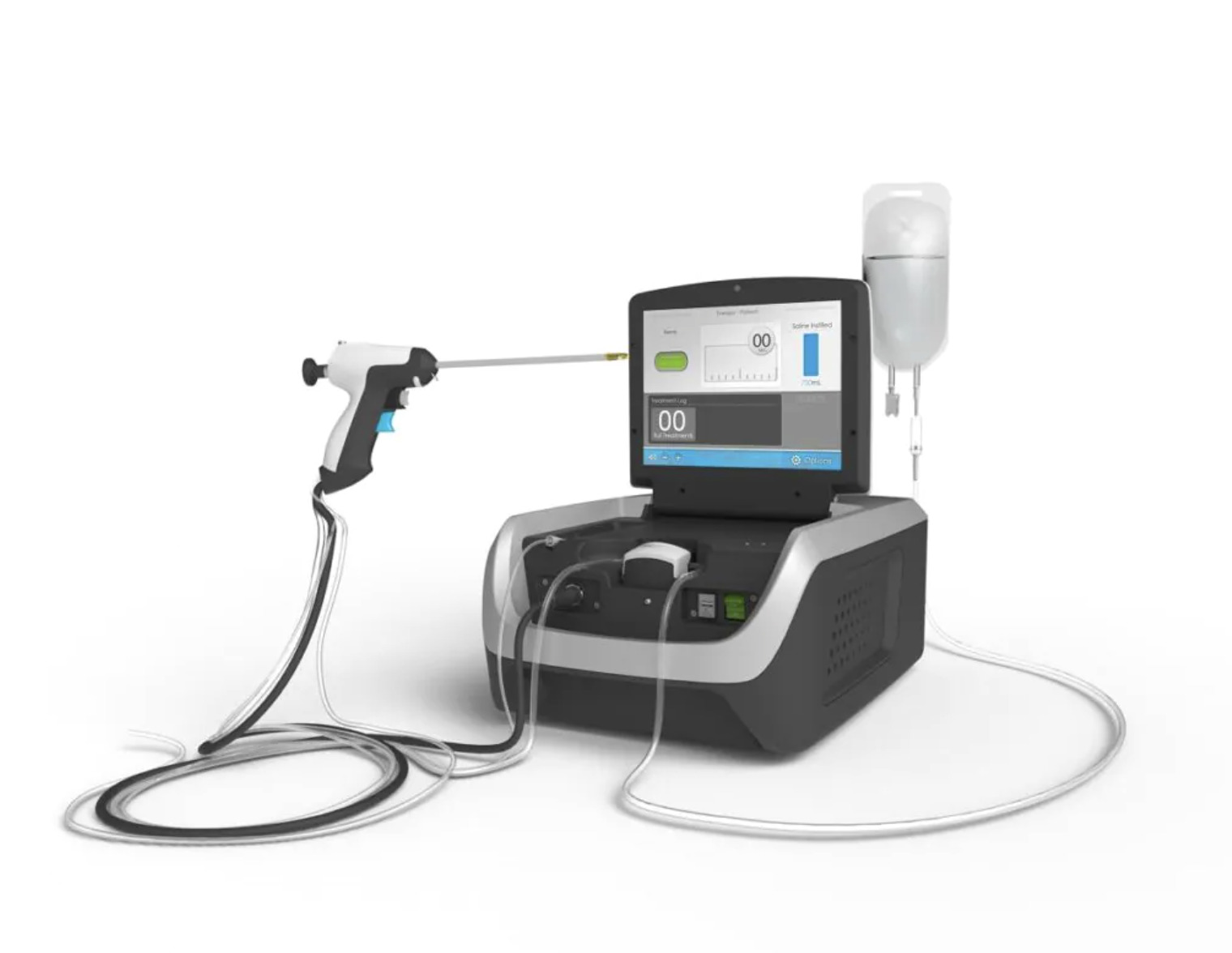
Water vapour therapy treats enlarged prostate with minimal downtime. Procedure details, recovery, an
Information on prostate cancer screening, including who may benefit from testing, when to start, and
Understand high PSA test results, causes beyond cancer, and when to consult a urologist for your pro
Recognise BPH symptoms. Understand urinary changes, diagnostic approaches, and when to consult a hea
Understanding Prostate Enlargement Prostate enlargement, also known as benign prostatic hyperplasia
Why See a Prostate Specialist? Men’s prostate health becomes increasingly important with age, as c
 Optimized by Seraphinite Accelerator