Minimally Invasive Options for BPH: An Overview of Water Vapour Therapy
Water vapour therapy treats enlarged prostate with minimal downtime. Procedure details, recovery, an


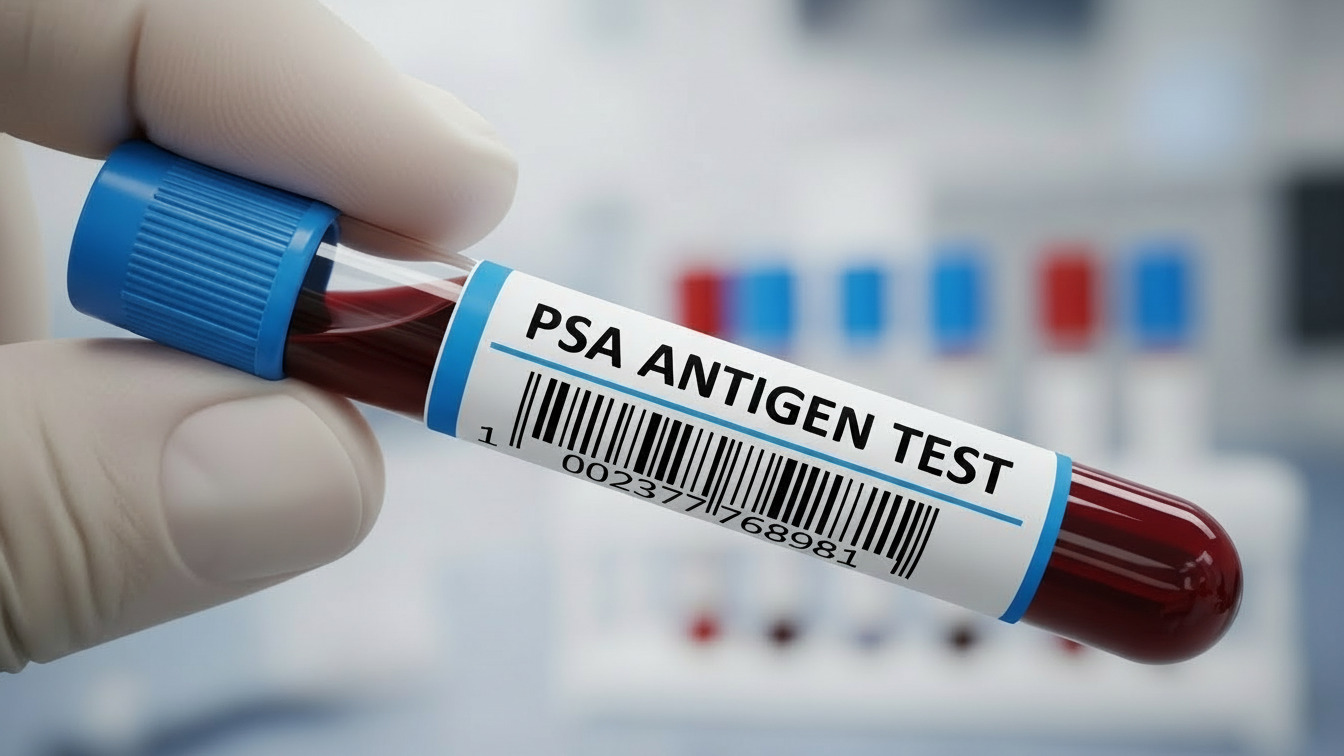
Did you know that prostate-specific antigen can exist in much higher concentrations in seminal fluid than in blood? When your PSA test results appear on blood work, the reading reflects total protein concentration in your bloodstream. It is not a direct indicator of any single condition. PSA enters the blood through normal prostate cell turnover. Numerous factors influence how much reaches your circulation.
The prostate gland surrounds the urethra just below the bladder. It produces fluid that nourishes and transports sperm. This anatomical position means the prostate interfaces with both the urinary and reproductive systems. Any changes to the gland, whether from growth, infection, or other processes, can alter PSA production and release patterns.
PSA testing became widely available in the 1990s. Modern interpretation considers PSA alongside other markers, imaging findings, and individual risk factors rather than relying on any single number in isolation.
Healthcare providers use the psa test in Singapore as a screening tool to detect potential prostate issues in men without symptoms. They may also use it diagnostically when investigating specific concerns. Blood samples for PSA analysis are typically drawn from a vein in your arm. Results are available within a few days. The test measures nanograms of PSA per millilitre of blood (ng/mL). Laboratories analyse both total PSA and, when indicated, the ratio between free-floating and protein-bound PSA molecules.
Free PSA circulates unattached to other proteins. Bound PSA connects to carrier molecules in the blood. Benign prostate conditions tend to produce higher proportions of free PSA. Prostate cancer cells often release more bound PSA. This ratio adds diagnostic nuance when total PSA falls within ambiguous ranges.
Traditional reference ranges placed 4.0 ng/mL as the upper threshold of normal. Contemporary practice recognises this as overly simplistic. Prostate size naturally increases with age. This produces more PSA even in healthy glands. Age-adjusted ranges reflect this biological reality:
These thresholds represent statistical averages rather than definitive boundaries. Your doctor will interpret your results based on your specific risk factors. These include your age, family history, and overall health profile. A PSA of 3.0 ng/mL in a 45-year-old warrants different consideration than the same reading in a 72-year-old.
Prostate cancer represents only one explanation for elevated PSA. Several benign conditions can substantially raise PSA levels.
Non-cancerous prostate enlargement (benign prostatic hyperplasia, or BPH) is common in men as they age. Larger prostates contain more cells producing PSA. This directly correlates gland volume with protein output.
BPH typically develops in the transition zone surrounding the urethra. It causes urinary symptoms (such as difficulty starting urination, weak stream, or frequent nighttime bathroom visits) before PSA changes become apparent. Each gram of benign prostate tissue contributes approximately 0.3 ng/mL to total PSA.
Prostate inflammation (prostatitis) dramatically increases PSA release. Bacterial prostatitis triggers immune responses that damage prostate cell membranes. This releases stored PSA into the bloodstream. Even after successful antibiotic treatment, PSA levels may remain elevated while the tissue heals.
Chronic prostatitis produces more modest PSA elevations. It can maintain persistently raised levels over months or years. This non-bacterial inflammation often accompanies pelvic floor dysfunction or autoimmune processes.
Recent ejaculation temporarily raises PSA by stimulating prostate secretion. Vigorous cycling or other activities placing prolonged pressure on the perineum (the area between the scrotum and anus) may produce similar effects. Digital rectal examination (when a doctor inserts a gloved finger into the rectum to feel the prostate) causes minimal PSA fluctuation. Prostate massage or biopsy substantially raises levels for several weeks.
Urinary retention (when the bladder doesn’t empty) and catheterisation (inserting a tube to drain urine from the bladder) irritate prostate tissue. Recent urinary tract infections that ascend to involve the gland can also irritate. Even constipation, creating pressure against the prostate through the rectal wall, can modestly influence PSA readings.
Single PSA measurements provide limited information compared to tracking changes over time. PSA velocity measures how rapidly levels increase between tests. Rises exceeding 0.75 ng/mL per year warrant closer evaluation regardless of absolute values.
PSA density relates protein concentration to prostate volume. You calculate it by dividing total PSA by gland size measured on ultrasound or MRI (imaging tests that create detailed pictures of internal organs). Density values above 0.15 ng/mL per gram suggest a higher cancer probability than the same PSA in a larger gland. This metric helps determine whether an elevated PSA reflects a proportionally increased tissue mass or disproportionate protein production from a minor gland.
? Did You Know?
PSA exists in much higher concentrations in seminal fluid than blood. The protein’s primary biological function involves liquefying semen after ejaculation. Blood levels represent only trace amounts escaping from prostate tissue.
Interpreting a PSA test high result requires integrating multiple data points. Your urologist (a doctor specialising in urinary and male reproductive system conditions) considers family history, previous PSA trends, prostate examination findings, and urinary symptoms alongside the laboratory values.
Isolated elevated readings often normalise on repeat testing. This particularly occurs when measured during an unrecognised infection or shortly after activities affecting the prostate. Repeating PSA measurement four to six weeks later under controlled conditions provides more reliable baseline data. Avoid ejaculation beforehand and ensure no current infection is present.
Persistent elevation across multiple tests carries greater clinical significance than a single high reading. Consistency suggests ongoing prostate changes rather than transient fluctuations from external factors.
When PSA patterns raise concern, several investigations help clarify the picture:
These tools can help reduce unnecessary biopsies while improving the detection of clinically significant cancers.
Elevated PSA readings commonly stem from benign causes. Even confirmed prostate cancer increasingly involves low-grade disease. This is manageable through active surveillance (regular monitoring without immediate treatment) rather than immediate intervention. Thoughtful evaluation distinguishes men who require intervention from those who need only monitoring and guides decisions regarding prostate cancer therapy Singapore.
Daily habits influence prostate function. They potentially affect PSA levels over time. Several practices support overall prostate health.
Maintain regular physical activity: Movement promotes circulation throughout pelvic structures and supports healthy body composition. Both factors correlate with improved prostate health markers.
Address urinary symptoms promptly: Difficulty initiating urination, weak stream, or frequent nighttime voiding may indicate treatable conditions. Early management prevents complications.
Discuss family history with your doctor: First-degree relatives (father, brother, or son) with prostate cancer shift your risk profile. This may warrant earlier or more frequent screening than general guidelines suggest.
Track your PSA over time: Knowing your baseline and monitoring trends provides more helpful information than interpreting any single result in isolation. Request copies of laboratory results to maintain personal records.
⚠️ Important Note
Certain medications affect PSA readings. 5-alpha reductase inhibitors (finasteride, dutasteride) used for BPH or hair loss typically substantially reduce PSA values within months of starting treatment. Your urologist must account for this when interpreting results in men taking these medications.
Should I fast before taking a PSA blood test?
Fasting is generally not required for a PSA test, as food intake does not significantly impact protein levels in the blood. However, it is important to avoid vigorous exercise or ejaculation for at least 48 hours before the draw, as these activities can temporarily elevate your results.
Can certain medications artificially lower my PSA levels?
Yes, specific medications used to treat an enlarged prostate or male pattern baldness (such as finasteride or dutasteride) can reduce PSA levels. It is essential to inform your doctor if you are taking these, as they will need to adjust your results to ensure an accurate interpretation.
Does a “normal” PSA result completely rule out prostate cancer?
A PSA level within the age-adjusted reference range is a positive sign, but it is not a guarantee that cancer is absent. Because some cancers do not produce high levels of PSA, doctors often use the test in conjunction with a physical examination or other diagnostic tools for a comprehensive assessment.
How often should I go for PSA screening?
The frequency of testing depends on your age, individual risk factors, and previous PSA trends. For many men, screening may occur every 2 to 4 years, but those with a family history or higher baseline levels may be advised to undergo more frequent monitoring as determined by their urologist.
If my PSA is high, is a biopsy the only next step?
Not necessarily. If your PSA is elevated, your doctor may first recommend a repeat test to rule out transient factors like infection or inflammation. Other non-invasive tools, such as a Prostate MRI or specialised blood markers (e.g., PHI or 4Kscore), may also be used to determine if a biopsy is clinically indicated.
Elevated PSA requires proper evaluation to distinguish benign causes from concerning conditions. Tracking PSA trends over time provides more reliable information than isolated measurements. Understanding contributing factors—prostate size, infection status, recent activities—contextualises results within your complete health profile.
If you’re experiencing elevated PSA levels, difficulty urinating, frequent nighttime urination, or blood in your urine, consult Dr Azhari to determine the appropriate next steps.

Former Director of Endourology (Urinary stone service) Singapore General Hospital 2016 to 2023
With more than 20 years experience as a certified Urologist, Dr Nor Azhari specializes in treating a wide range of kidney, bladder and prostate conditions as well as disorders of the male reproductive organs. He offers minimally invasive treatment options and provides same-day appointments for convenience.
For urgent or same day appointment requests, please call our hotline.
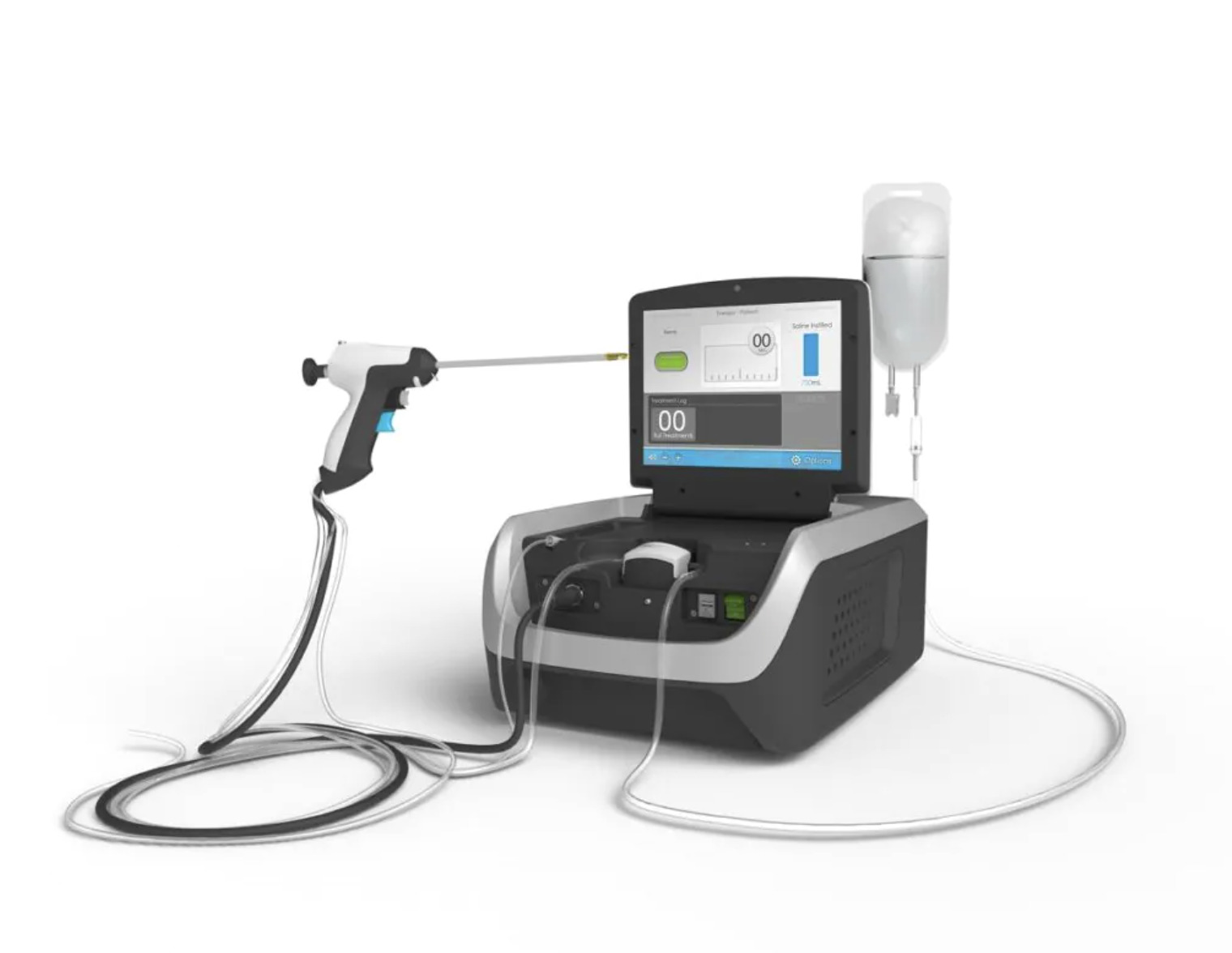
Water vapour therapy treats enlarged prostate with minimal downtime. Procedure details, recovery, an
Information on prostate cancer screening, including who may benefit from testing, when to start, and

Information about robotic prostatectomy in Singapore, including surgical techniques, hospital stay e

Recognise BPH symptoms. Understand urinary changes, diagnostic approaches, and when to consult a hea

Understanding Prostate Enlargement Prostate enlargement, also known as benign prostatic hyperplasia

Why See a Prostate Specialist? Men’s prostate health becomes increasingly important with age, as c
 Optimized by Seraphinite Accelerator