Prostate Cancer Screening in Singapore: Who Should Get Tested and When?
Information on prostate cancer screening, including who may benefit from testing, when to start, and


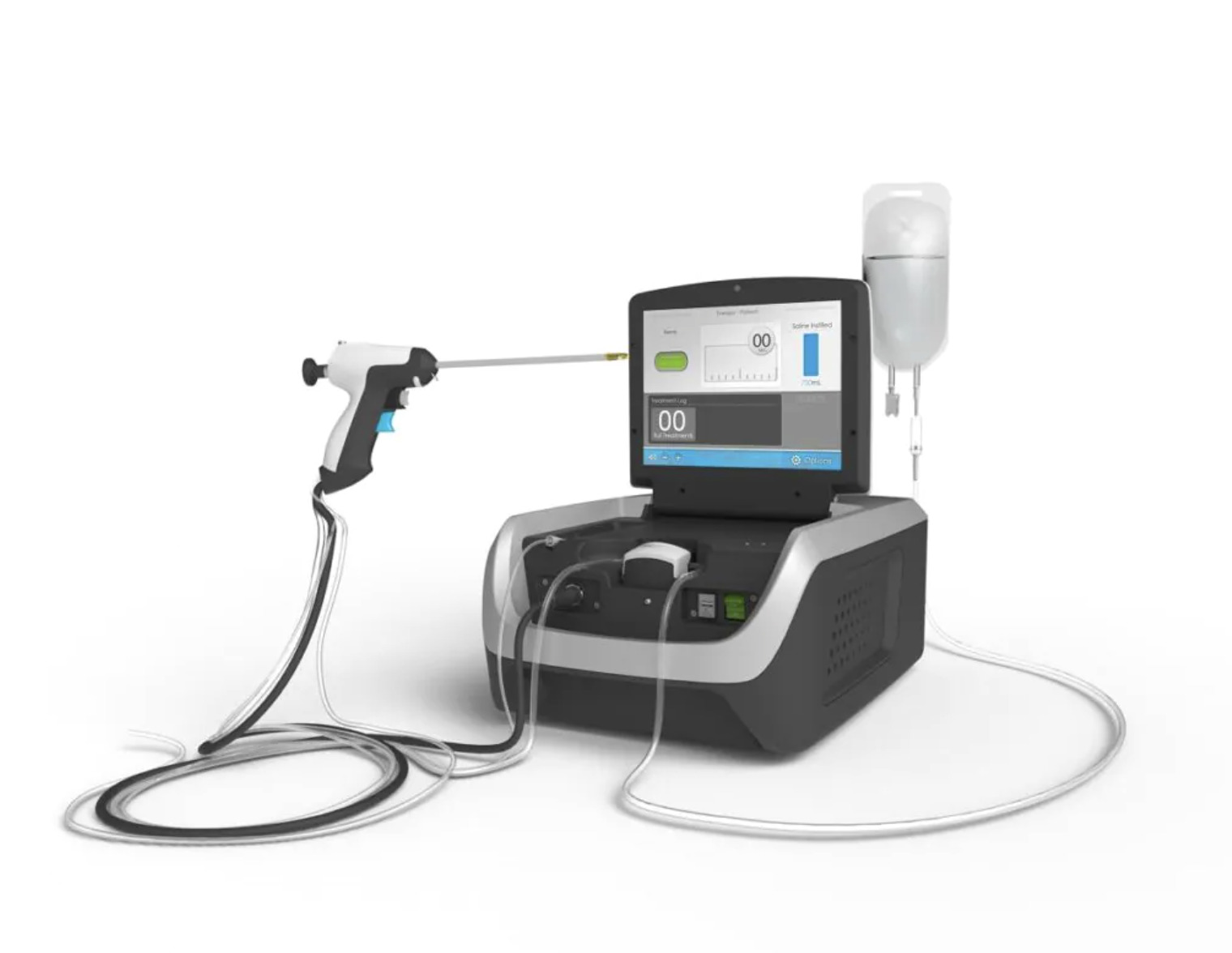
Water vapour therapy is associated with a lower incidence of ejaculatory dysfunction compared to traditional surgical interventions. This office-based procedure utilizes thermal energy to reduce the prostate tissue causing urinary obstruction while aiming to preserve the anatomical structures responsible for sexual function. By targeting specific areas of the prostate, the treatment addresses urinary symptoms with a focus on maintaining quality of life and functional health.
Benign prostatic hyperplasia (BPH) causes the prostate gland to enlarge progressively. This physically compresses the urethra (the tube that carries urine out of the body) and disrupts normal urinary flow. The treatment delivers targeted steam injections directly into enlarged prostate tissue. The thermal energy causes cell death in treated areas. The body then naturally absorbs these areas over several weeks. Unlike traditional surgery, the approach works from within the prostate tissue itself. It avoids incisions and reduces impact on erectile and ejaculatory function.
Water vapour therapy uses convective heating—transferring thermal energy through steam rather than direct contact. A small device inserted through the urethra delivers precise steam bursts into targeted areas of the prostate. Each injection disperses steam that travels between cells. It releases stored thermal energy when it contacts tissue and converts back to water.
This phase change from vapour to liquid releases substantial energy per injection site. The thermal energy denatures proteins (breaks down protein structures) in prostate cells. This triggers immediate cell death in the treatment zone. Surrounding tissues remain protected because the energy dissipates rapidly as the steam condenses.
Treatment typically involves multiple injections, depending on prostate size and the specific areas requiring reduction. The entire procedure takes several minutes of active treatment time. Because only the obstructing tissue receives thermal energy, functional structures remain intact. These include the bladder neck sphincter and external urinary sphincter (muscles that control urine release).
The body’s natural inflammatory response begins clearing dead tissue within days. Over several months, the treated prostate volume decreases as the body reabsorbs damaged cells.
Doctors who specialise in urinary system health (urologists) evaluate candidacy through several assessments:
Prostates of appropriate size respond to treatment. Some practices use modified protocols for larger glands.
Patients stop blood-thinning medications according to their urologist’s instructions—typically several days before treatment. A urine culture (lab test to check for bacteria) confirms no active infection. Treating inflamed tissue increases complication risk.
The procedure is performed in a clinic setting with local anaesthesia (numbing medication)—either a prostatic nerve block or a urethral anaesthetic gel. Some urologists offer light sedation for patient comfort.
A cystoscope (a thin tube with a camera) is inserted through the urethra. This allows the urologist to visualise the prostate and identify treatment targets. The device then deploys through the same scope. It positions the needle at each injection site. Patients typically report a sensation of warmth or pressure during steam delivery, rated as mild to moderate discomfort.
A temporary urinary catheter (a thin tube that drains urine from the bladder) remains in place for several days. The duration depends on pre-treatment prostate size and voiding function. This catheter allows urine drainage while initial tissue swelling subsides.
Most patients return to desk work within a few days. Physical exertion, heavy lifting, and sexual activity typically resume after several weeks. Your doctor will set a recovery timeline based on your specific circumstances and how your body responds to treatment.
Early weeks: Initial swelling may temporarily worsen urinary symptoms after catheter removal. Some patients experience urgency, frequency, or mild discomfort during urination. These effects reflect the normal inflammatory response rather than treatment failure.
Early months: Gradual improvement begins as the body clears treated tissue. Flow rate increases and urinary frequency decreases incrementally.
Later months: Maximum benefit typically emerges. Studies tracking patient-reported outcomes show symptom scores improving from baseline. Corresponding improvements in flow rate measurements also occur.
Long-term durability: Follow-up data extending beyond several years show sustained improvement in many treated patients. Some men eventually require additional treatment as the prostate continues its natural growth pattern.
? Did You Know?
The water vapour used in this therapy is sterile and generated from a small volume of saline (salt water). The device converts this liquid to steam at the moment of delivery, ensuring precise energy transfer.
Alpha-blockers (tamsulosin, alfuzosin) relax prostate muscle tissue, improving urine flow within weeks. 5-alpha reductase inhibitors (finasteride, dutasteride) shrink the gland over many months by blocking hormones that drive growth. Combination therapy uses both drug classes.
Medications work for many men but require ongoing daily use. Sexual side effects can occur. These include:
When medications lose effectiveness or side effects become intolerable, procedural options enter consideration.
Transurethral resection of the prostate (TURP) is a commonly performed surgical option. In this procedure, the surgeon removes excess prostate tissue using an electrical current passed through a scope. Durability comes with trade-offs:
Laser prostatectomy techniques (HoLEP, PVP) use laser energy to remove prostate tissue. These achieve similar tissue removal with reduced bleeding. They require specialised equipment and training. Recovery expectations mirror TURP.
Prostatic urethral lift uses implants to mechanically hold prostate lobes apart. It’s suited for specific prostate shapes without a large middle lobe. It offers faster recovery and lower sexual side effect rates. It may be less durable than tissue-removing techniques.
Aquablation uses high-pressure water jets guided by robotics to remove tissue. This newer technology shows results. It requires an operating room setting and general anaesthesia.
Suitable candidates share several characteristics that may predict outcomes:
Moderate-sized prostates: The treatment works predictably for glands of appropriate size. Very large prostates may require alternative approaches or combination treatments.
Bothersome symptoms despite medication: Men whose quality of life remains affected despite trying appropriate medical therapy may benefit from procedural intervention.
Concern about sexual function: Patients prioritising preservation of ejaculatory function often favour this approach. Clinical data show lower rates of ejaculatory dysfunction compared to TURP.
Preference for office-based procedures: Those wanting to avoid hospital admission and general anaesthesia find the outpatient setting appealing.
Willingness to wait for results: Unlike surgical removal, which produces immediate mechanical opening, water vapour therapy requires patience during the tissue reabsorption period.
⚠️ Important Note
Men with certain conditions typically cannot undergo this treatment. These include:
- Prostate cancer
- Active urinary infection
- Urethral stricture (narrowing of the urethra)
A thorough evaluation, including PSA testing (a blood test that measures prostate-specific antigen, a protein that can indicate prostate problems), helps identify any conditions requiring alternative management.
Temporary effects occur commonly and resolve spontaneously:
Less common effects requiring attention:
The treatment does not address all causes of urinary symptoms. Men with certain conditions may have persistent symptoms despite prostate volume reduction. These conditions include:
The conversation about benign prostatic hyperplasia treatment Singapore should match the intervention to the individual patient’s priorities. Water vapour therapy offers a middle path—more definitive than medication without the recovery demands of traditional surgery.
During consultations, understanding what bothers the patient most guides recommendations. Someone primarily concerned about nocturia (frequent nighttime urination) has different priorities than someone focused on a weak stream. The prostate’s specific anatomy also influences whether water vapour therapy can target the relevant obstruction.
Gather your medication history: Bring a list of all medications, including over-the-counter supplements. Note any previous BPH treatments and their effects.
Track your symptoms: Document how many times you urinate during the day and night. Note any episodes of urgency or incomplete emptying sensations.
List your questions: Write down specific concerns about recovery time, expected improvement, and any impact on sexual function.
Understand your prostate anatomy: If prior imaging is available (ultrasound or MRI), request copies to bring to your consultation. Prostate size and shape influence treatment recommendations.
Consider your priorities: Think about what bothers you most about your current symptoms and what outcomes matter most for your situation.
How long does the catheter stay in after the procedure?
The catheter is typically removed within several days post-procedure. Men with larger prostates or weaker bladder function before treatment may need slightly longer catheterisation. Your urologist determines the appropriate timing based on your specific situation.
Will I need to repeat the treatment?
Data following patients for several years shows that many maintain their improvement without requiring additional treatment. Some men eventually need retreatment as natural prostate growth continues over decades. Having water vapour therapy does not prevent future surgical options if ever needed.
Can I stop my BPH medications after treatment?
Many patients reduce or eliminate BPH medications after treatment. The decision happens gradually—typically assessing symptom control several months post-procedure before making medication changes. Your urologist guides this transition based on your response.
What if the treatment doesn’t work sufficiently?
Insufficient response can occur, particularly with very large prostates or specific anatomical configurations. Several options remain available:
The treatment does not prevent other approaches.
Water vapour therapy provides symptom relief with lower ejaculatory dysfunction than traditional surgery. The procedure requires appropriate patient selection based on prostate size and anatomy. Treatment results develop gradually over several months as the body reabsorbs treated tissue.

Former Director of Endourology (Urinary stone service) Singapore General Hospital 2016 to 2023
With more than 20 years experience as a certified Urologist, Dr Nor Azhari specializes in treating a wide range of kidney, bladder and prostate conditions as well as disorders of the male reproductive organs. He offers minimally invasive treatment options and provides same-day appointments for convenience.
For urgent or same day appointment requests, please call our hotline.
Information on prostate cancer screening, including who may benefit from testing, when to start, and
Information about robotic prostatectomy in Singapore, including surgical techniques, hospital stay e
Understand high PSA test results, causes beyond cancer, and when to consult a urologist for your pro
Recognise BPH symptoms. Understand urinary changes, diagnostic approaches, and when to consult a hea
Understanding Prostate Enlargement Prostate enlargement, also known as benign prostatic hyperplasia
Why See a Prostate Specialist? Men’s prostate health becomes increasingly important with age, as c
 Optimized by Seraphinite Accelerator