Minimally Invasive Options for BPH: An Overview of Water Vapour Therapy
Water vapour therapy treats enlarged prostate with minimal downtime. Procedure details, recovery, an


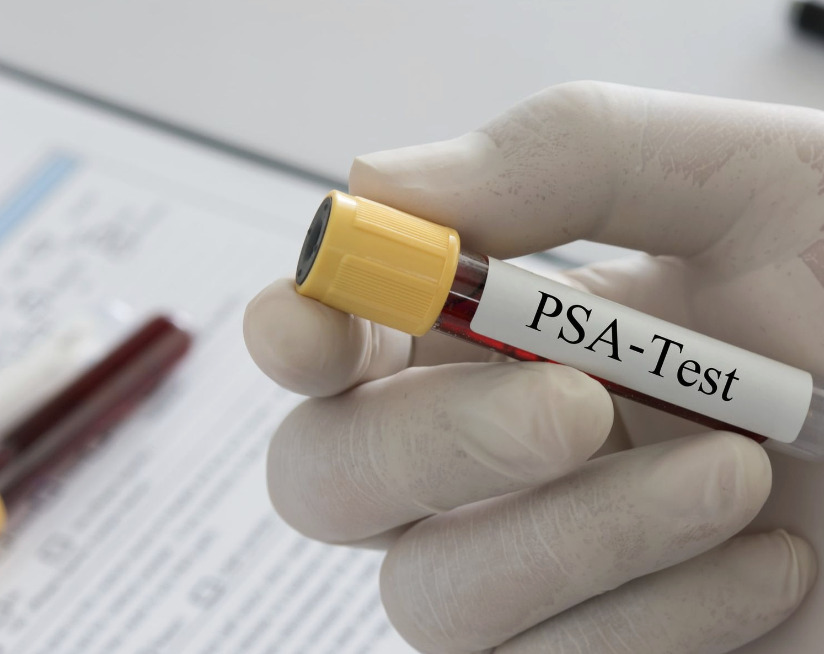
Nearly 1 in 8 Singaporean men will develop prostate cancer during their lifetime. Prostate cancer screening primarily involves a blood test measuring prostate-specific antigen (PSA)—a protein produced by prostate cells that can indicate changes in the gland, and a digital rectal examination (DRE), where a doctor uses a gloved finger to feel the prostate through the rectal wall. These two methods work together to detect potential abnormalities in the prostate gland before symptoms develop. The prostate, a walnut-sized gland located below the bladder, produces fluid that nourishes and transports sperm.
The PSA test measures a protein produced by both normal and cancerous prostate cells. When prostate cells—whether healthy, enlarged, or cancerous, or increase in number or activity, PSA levels in the blood typically rise. This relationship between cellular activity and measurable protein makes PSA useful as a screening marker (a biological indicator used to detect potential disease in people without symptoms). Interpretation requires understanding multiple factors that influence results.
Men aged 50 and above with a life expectancy of at least 10 years may benefit from discussing prostate cancer screening in Singapore with their doctor. Your healthcare provider will help determine whether screening is proper for you based on your overall health, life expectancy, and individual risk factors.
Men with a family history of prostate cancer—particularly a father or brother diagnosed before age 65—should consider beginning screening conversations at age 40-45.
Those with multiple family members affected by breast, ovarian, or prostate cancer may carry genetic mutations (changes in genes that can be passed down through families), such as BRCA1 or BRCA2, that increase prostate cancer risk. Genetic counselling can help determine whether earlier or more intensive screening applies.
Earlier screening discussions, typically starting at age 40-45, may be appropriate for men of African descent.
PSA levels are measured in nanograms per millilitre (ng/mL). Traditionally, a PSA below 4.0 ng/mL was considered normal, while levels above 4.0 ng/mL prompted further investigation. Current practice recognises that PSA interpretation requires more nuance than a single cutoff value. Your doctor will interpret your PSA results in the context of your age, prostate size, and other individual factors to determine the appropriate next steps.
Age-adjusted PSA ranges account for natural prostate growth over time:
Men 40-49:
Men 50-59:
Men 60-69:
Men 70-79:
PSA velocity measures how quickly PSA rises over time—comparing results from multiple tests to see the rate of increase. An increase of more than 0.75 ng/mL per year warrants attention. This applies even if the absolute value remains within normal limits.
PSA density relates PSA level to prostate size. A larger prostate naturally produces more PSA. Dividing total PSA by prostate volume (measured via ultrasound) helps distinguish between elevated PSA from benign enlargement versus potential cancer.
The free-to-total PSA ratio measures the percentage of PSA that circulates unbound to proteins in the blood. Cancer cells tend to produce more bound PSA. A lower free-to-total ratio suggests higher cancer probability. A higher ratio suggests benign causes.
Multiple non-cancerous conditions elevate PSA. Context is essential for interpretation.
Benign prostatic hyperplasia (BPH)—the non-cancerous enlargement of the prostate gland that is common in older men—increases PSA proportionally to gland size. A prostate considerably larger than usual will produce proportionally more PSA.
Prostatitis (inflammation or infection of the prostate) can dramatically raise PSA levels temporarily. Testing during active infection yields unreliable results. Retesting several weeks after treatment provides more accurate baseline values.
Recent ejaculation modestly elevates PSA for 24-48 hours. Abstaining for 2-3 days before testing eliminates this variable.
Urological procedures (medical procedures involving the urinary system), such as cystoscopy (using a thin tube with a camera to look inside the bladder), prostate biopsy (removing small tissue samples for testing), or catheterisation (inserting a tube to drain urine), can elevate PSA for several weeks. Testing should occur before such procedures or after adequate recovery time.
Certain medications affect PSA levels. 5-alpha reductase inhibitors—medicines like finasteride and dutasteride used to treat prostate enlargement—reduce PSA by a substantial amount. Men on these medications need their PSA values adjusted for accurate interpretation.
Vigorous cycling or pressure on the perineum (the area between the genitals and anus) may modestly elevate PSA in some men. While evidence remains mixed, avoiding intense cycling for several days before testing is reasonable.
During a DRE, the doctor inserts a gloved, lubricated finger into the rectum to feel the back surface of the prostate through the rectal wall. This examination takes approximately 30 seconds. You may feel pressure or slight discomfort, but it should not be painful.
The DRE assesses:
The DRE can detect some cancers that don’t elevate PSA. PSA can identify cancers in areas the finger cannot reach. Using both methods together provides more comprehensive screening than either alone.
? Did You Know?
The prostate gland continues growing throughout a man’s life. This growth explains why PSA naturally rises with age and why age-adjusted reference ranges exist.
Your doctor will recommend a screening schedule tailored to your PSA results, age, risk factors, and overall health status. The following are general guidelines:
Screening every 2-4 years is generally sufficient.
Annual screening allows tracking of PSA velocity and earlier detection of concerning trends.
More frequent monitoring (every 6-12 months) helps determine whether the elevation represents a stable benign condition or a rising trend requiring investigation.
Further evaluation typically involves:
Multi-parametric MRI (mpMRI) of the prostate has transformed the diagnostic pathway. This imaging technique identifies suspicious areas that may harbour cancer. It allows targeted biopsies of specific regions rather than systematic sampling throughout the gland. This helps doctors guide the biopsy needle to the exact areas that look abnormal, rather than taking samples randomly from throughout the prostate.
MRI uses the PI-RADS scoring system (1-5) to categorise lesion suspiciousness:
PI-RADS 1-2:
PI-RADS 3:
PI-RADS 4-5:
Men with elevated PSA but negative or low-suspicion MRI may safely defer biopsy. This avoids the discomfort and potential complications of an unnecessary procedure. Those with suspicious MRI findings proceed to biopsy with specific targets identified, improving diagnostic accuracy.
If a biopsy is performed, results describe whether cancer is present and, if so, its characteristics.
Gleason grading describes how abnormal the cancer cells appear under a microscope—cells that look more like normal prostate cells are lower grade. In comparison, cells that look very different are higher grade. Two patterns are scored 1-5 each, then added together:
Gleason 6 (Grade Group 1):
Gleason 7 (Grade Group 2 or 3):
Gleason 8-10 (Grade Group 4-5):
The number of positive cores (the number of tissue samples that contained cancer out of the total samples taken) indicates how widespread the cancer is within the prostate. Finding cancer in a small number of cores suggests localised disease. Involvement of numerous cores indicates more extensive cancer.
Not all prostate cancers require immediate treatment. Low-grade, low-volume cancers often qualify for active surveillance—regular monitoring through PSA tests, exams, and sometimes repeat biopsies without intervention unless the cancer shows signs of progression.
Prostate cancer screening involves trade-offs that vary by individual circumstances. The discussion should address:
⚠️ Important Note
PSA screening can detect slow-growing cancers that would never cause symptoms or death—a phenomenon called overdiagnosis. The goal of shared decision-making is identifying men who may benefit from early detection while minimising unnecessary interventions for those with indolent disease.
A normal PSA and DRE don’t always definitively rule out prostate cancer. Some cancers don’t significantly elevate PSA. The DRE evaluates only portions of the prostate that are accessible to examination.
Conversely, an abnormal screening result doesn’t confirm cancer. Many men with elevated PSA have benign conditions. Only a biopsy provides a definitive diagnosis.
Screening detects cancer at a moment in time but cannot predict future behaviour with certainty. Even low-grade cancers occasionally progress. Some higher-grade cancers remain localised for years.
Before your appointment:
Inform your doctor if you:
At what age should I stop prostate cancer screening?
Screening is generally not recommended for men with less than 10 years of life expectancy, as prostate cancer typically progresses slowly. For healthy men in their 70s, continuing screening remains reasonable. By age 75-80, many men discontinue routine screening, though individual circumstances vary. Your doctor can provide personalised advice based on your health and life expectancy.
My father had prostate cancer. Does that guarantee I’ll get it?
Having a first-degree relative with prostate cancer substantially increases your risk. Many men with a family history never develop the disease. Earlier, more vigilant screening helps detect cancer at a treatable stage. Genetic testing may be appropriate if multiple family members have had prostate, breast, or ovarian cancer.
Can lifestyle changes reduce my prostate cancer risk?
Maintaining a healthy weight, regular physical activity, and a diet emphasising vegetables, fish, and healthy fats may modestly influence risk. However, no lifestyle modification has been proven to prevent prostate cancer. Screening remains essential regardless of lifestyle choices.
Is the PSA test painful?
The PSA test is a standard blood draw from the arm, identical to other blood tests. The DRE causes brief discomfort but should not be painful. Neither test requires anaesthesia or recovery time.
What happens if my PSA is elevated?
An elevated PSA triggers further evaluation, not immediate cancer diagnosis. Your doctor may recommend repeat testing, additional PSA calculations (free-to-total ratio, density), prostate MRI, or referral to a urologist. Many men with elevated PSA have benign conditions.
Please note: Individual experiences with prostate cancer screening, PSA levels, and subsequent diagnostic pathways will vary based on personal health factors, age, family history, and overall medical conditions. The information provided here is for general educational purposes and should not replace personalised medical advice. Always consult qualified healthcare professionals for guidance tailored to your specific circumstances.
Establish your PSA baseline at age 50, or earlier if you have a family history or are of African descent. Track PSA changes over time and combine blood tests with digital rectal examination for comprehensive prostate health monitoring.
If you’re experiencing a weak urinary stream, frequent nighttime urination, blood in the urine, or have a family history of prostate cancer, consult Dr Azhari for a proper evaluation.

Former Director of Endourology (Urinary stone service) Singapore General Hospital 2016 to 2023
With more than 20 years experience as a certified Urologist, Dr Nor Azhari specializes in treating a wide range of kidney, bladder and prostate conditions as well as disorders of the male reproductive organs. He offers minimally invasive treatment options and provides same-day appointments for convenience.
For urgent or same day appointment requests, please call our hotline.
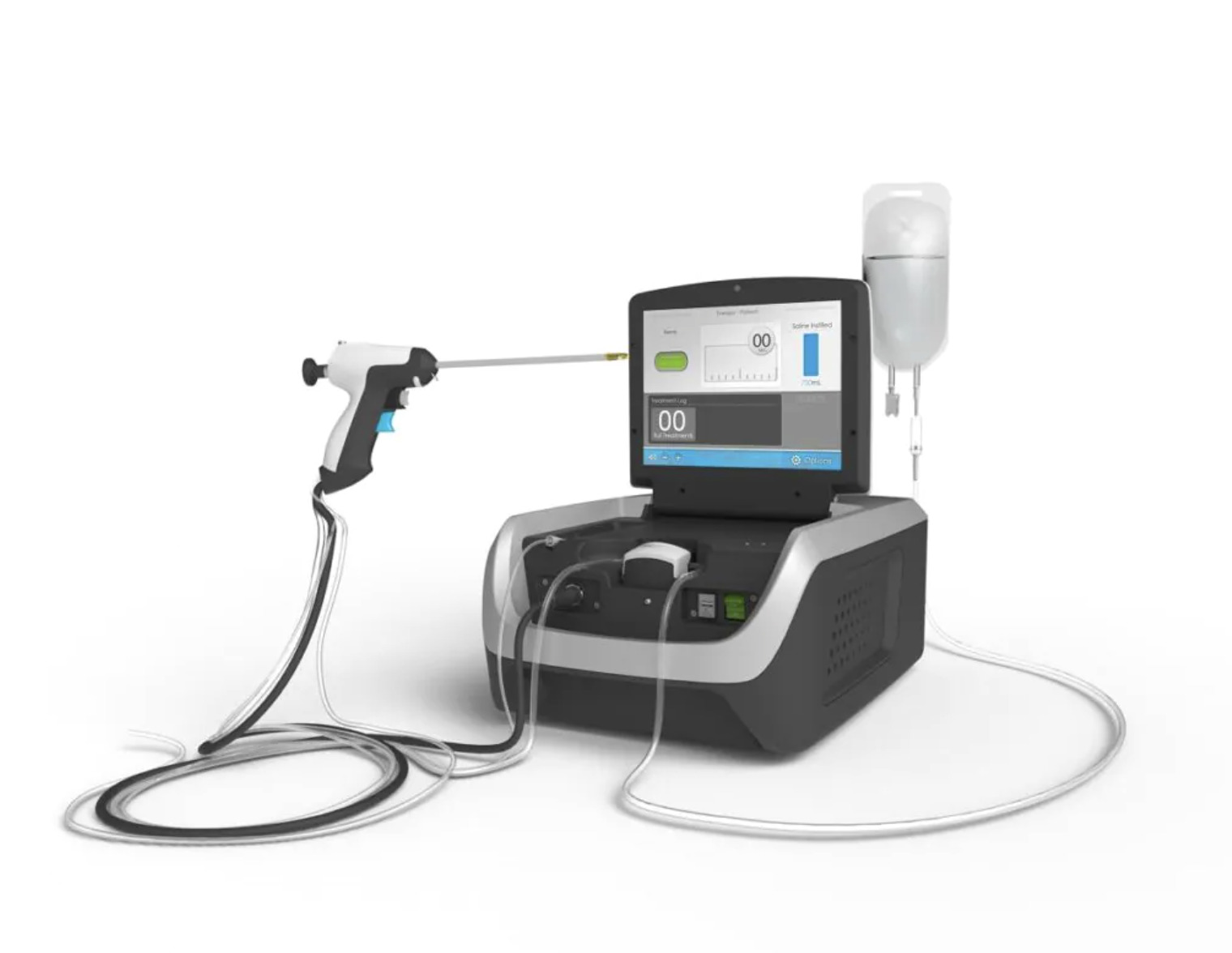
Water vapour therapy treats enlarged prostate with minimal downtime. Procedure details, recovery, an

Information about robotic prostatectomy in Singapore, including surgical techniques, hospital stay e
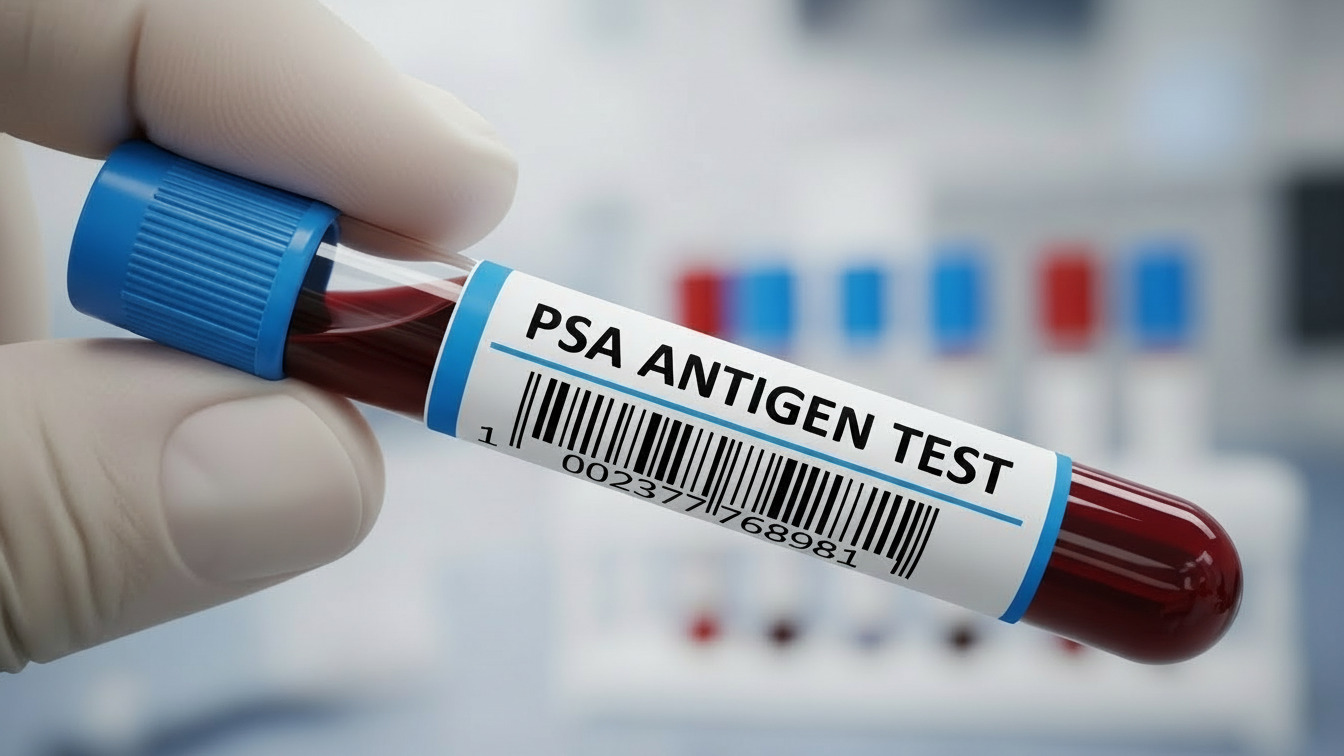
Understand high PSA test results, causes beyond cancer, and when to consult a urologist for your pro

Recognise BPH symptoms. Understand urinary changes, diagnostic approaches, and when to consult a hea

Understanding Prostate Enlargement Prostate enlargement, also known as benign prostatic hyperplasia

Why See a Prostate Specialist? Men’s prostate health becomes increasingly important with age, as c
 Optimized by Seraphinite Accelerator