Curvature of the Penis: Understanding Peyronie’s Disease and Treatment Options
Learn about Peyronie's disease treatment options in Singapore, from oral medications to surgery. Und



Diabetes impairs erectile function by simultaneously damaging the vascular, neurological, and hormonal systems, often leading to earlier and more noticeable symptoms than in non-diabetic men. Because elevated blood glucose directly disrupts the biochemical processes required for an erection, maintaining strict glycaemic control is an important component of management.
Since penile blood vessels are highly sensitive, these changes frequently serve as an early warning sign for cardiovascular issues, making prompt management important for both sexual and overall health.
Chronic hyperglycaemia triggers a cascade of vascular and neurological damage that impairs the endothelium’s ability to produce nitric oxide, an important molecule for blood vessel relaxation and penile engorgement.
High blood glucose accelerates atherosclerosis in small penile arteries and promotes the accumulation of Advanced Glycation End products (AGEs), which reduce vessel elasticity and blood flow. Additionally, damage to the penile venous system can lead to venous incompetence, where veins fail to trap blood, making it difficult to maintain a firm erection.
Diabetic neuropathy impairs the autonomic and cavernous nerves, weakening the important signals required to initiate and sustain an erection through direct glucose toxicity. This nerve damage is often compounded by reduced sensory perception, which diminishes the pleasurable sensations necessary to maintain arousal.
Diabetes frequently disrupts the hypothalamic-pituitary-gonadal axis, triggering a cycle of testosterone deficiency that may worsen insulin resistance and further impair erectile health.
Optimising blood glucose levels may help partially improve erectile dysfunction, especially when intervention begins before permanent structural damage occurs. Because HbA1c levels are generally associated with erectile function in diabetic men, improving glycaemic control is an important goal — though the evidence on the direct, per-point benefit to erectile quality is mixed, and other factors such as neuropathy, vascular damage, and disease duration also significantly influence outcomes.
Phosphodiesterase type 5 (PDE5) inhibitors remain a frequently used treatment for diabetic men, working by amplifying nitric oxide signals to enhance penile blood flow. While generally effective, the success of these medications often depends on the extent of existing vascular or nerve damage rather than the drug’s inherent potency.
When oral medications are insufficient, several second-line therapies, including shockwave therapy erectile dysfunction Singapore, offer alternative options tailored to a patient’s physiological needs and personal preferences.
Alprostadil can be administered via a urethral suppository or direct injection into the erectile chambers to bypass damaged nerve and vascular pathways. Penile injection therapy is often considered for those who do not respond to oral medications, as it directly triggers the smooth muscle relaxation necessary for an erection.
While the technique requires initial training with a fine needle, many men find the process manageable and report minimal discomfort once the method is mastered.
These mechanical devices use negative pressure to draw blood into the penis, with a constriction ring applied at the base to maintain the resulting engorgement. Because this approach does not rely on nerve or blood vessel integrity, it serves as a viable option for men with severe diabetes-related damage.
Although some couples may need to adapt to the “hinge effect” caused by the base remaining flaccid, the device is medication-free and carries generally low risks when used correctly.
For a long-term surgical option, a three-piece inflatable prosthesis can be surgically implanted to provide a natural-appearing erection on demand. While diabetic men face a meaningfully higher risk of infection — approximately 1.5 times that of non-diabetic men according to meta-analysis data — this is mitigated through meticulous blood sugar control, antibiotic-coated implants, and specialised surgical techniques.
Once the healing process is complete, these devices offer a durable long-term option for those who have failed more conservative treatments.
Adopting healthy lifestyle habits improves erectile function by enhancing blood flow, increasing insulin sensitivity, and supporting hormonal balance.
A Mediterranean-style diet rich in whole grains, healthy fats, and lean proteins provides anti-inflammatory benefits that support both glucose control and vascular health. Strategic weight loss further aids recovery by reducing visceral fat, which helps lower inflammation and supports healthier testosterone levels.
Addressing obstructive sleep apnoea with CPAP therapy aims to help improve erections by ensuring adequate oxygenation and restorative sleep. Additionally, managing chronic stress through mind-body practices may help lower cortisol levels, potentially mitigating the hormonal disruptions and insulin resistance that often impair sexual function.
Can erectile dysfunction from diabetes be reversed?
Partial improvement is sometimes possible through early intervention and improved blood sugar management to prevent permanent structural damage. While complete recovery depends on the extent of vascular and nerve damage, comprehensive treatment aims to support meaningful improvement.
How long does it take for diabetes management to affect erectile function?
Meaningful vascular improvements from better blood glucose control typically become measurable over several months, with consistent HbA1c reduction over this period providing the most reliable indicator of recovery progress. Nerve regeneration takes considerably longer to show change.
Are erectile dysfunction medications safe for diabetic men with heart disease?
These medications are generally well-tolerated in men with stable heart disease who are not on nitrate medications — combining the two is absolutely contraindicated due to the risk of severe blood pressure drops. Men should undergo a full cardiovascular assessment, including evaluation of concomitant medications such as nitrates and alpha-blockers, before starting treatment.
Does insulin use affect erectile dysfunction differently than oral diabetes medications?
Insulin itself does not directly cause erectile dysfunction, though its use often indicates more advanced disease. Episodes of hypoglycaemia and the psychological burden of insulin therapy can, however, contribute to sexual difficulties. Effective glucose control benefits sexual health regardless of the treatment method used.
Should testosterone be checked in diabetic men with erectile dysfunction?
Yes, because testosterone deficiency is common in diabetic men and worsens both erectile and metabolic dysfunction. At least two early morning blood tests on separate occasions are needed to reliably identify testosterone deficiency in men who may benefit from hormonal evaluation to address libido, energy, and glucose levels.
Optimise blood glucose control through medication, diet, and exercise. Work with a urologist to assess vascular, neurological, and hormonal factors. Request testosterone testing if you experience fatigue or reduced muscle mass alongside erectile changes.
If you’re experiencing erectile difficulties alongside diabetes, consult withDr Azhari to discuss treatment options tailored to your specific vascular, neurological, and hormonal factors.

Former Director of Endourology (Urinary stone service) Singapore General Hospital 2016 to 2023
With more than 20 years experience as a certified Urologist, Dr Nor Azhari specializes in treating a wide range of kidney, bladder and prostate conditions as well as disorders of the male reproductive organs. He offers minimally invasive treatment options and provides same-day appointments for convenience.
For urgent or same day appointment requests, please call our hotline.

Learn about Peyronie's disease treatment options in Singapore, from oral medications to surgery. Und

Adult circumcision in Singapore—medical reasons, surgical techniques, recovery timeline, and post-
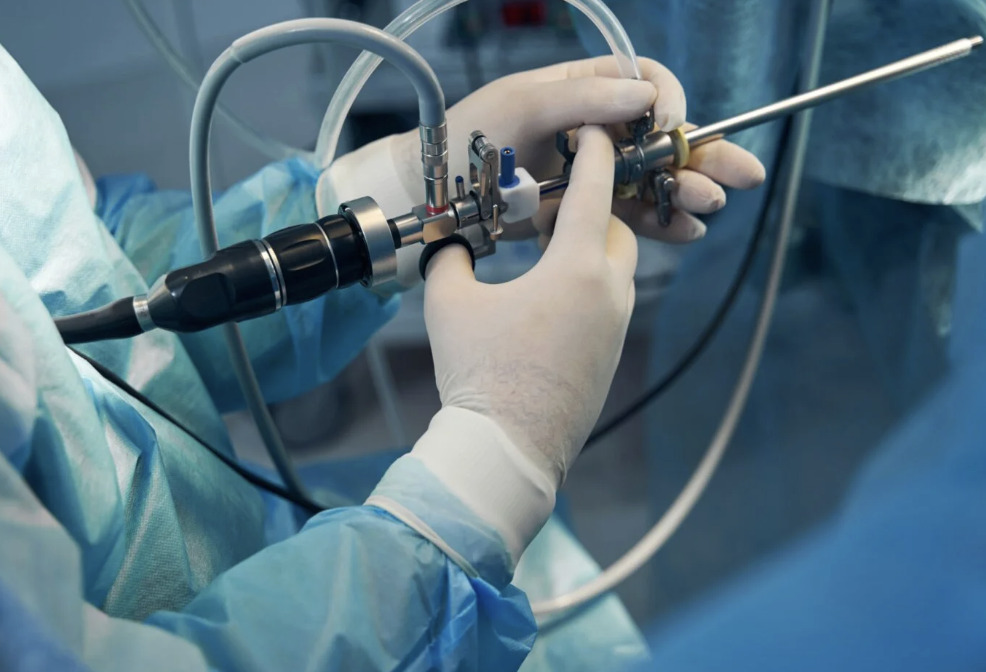
Understand what to expect during a cystoscopy procedure, from preparation to recovery. Learn about b

Learn about bladder cancer symptoms and when to seek medical evaluation. A urologist explains warnin
Learn why recurrent UTI in men requires thorough investigation, underlying causes, diagnostic approa
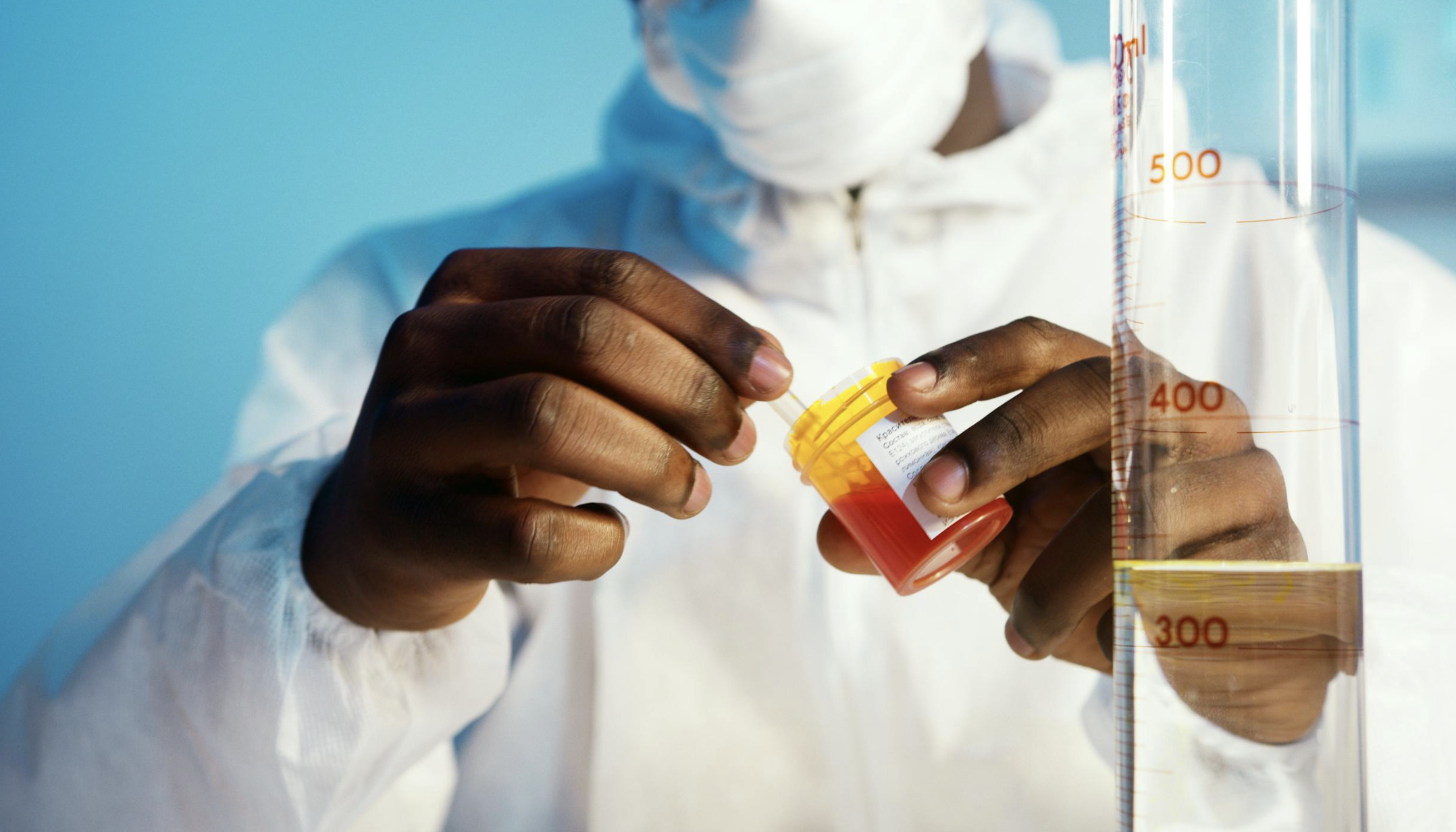
Understand haematuria causes, from UTIs to bladder conditions. Learn when blood in urine needs medic
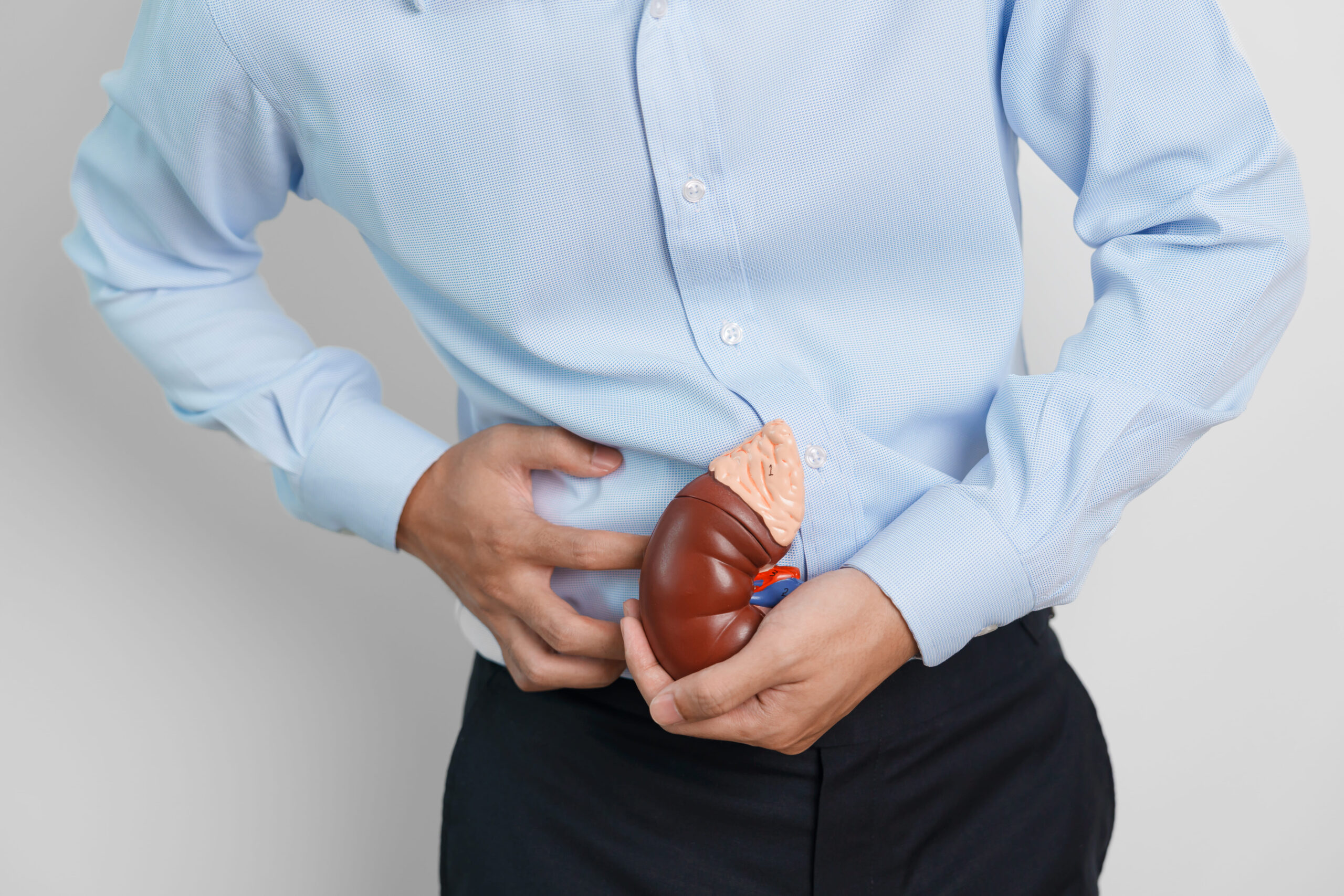
Understand kidney cyst causes, diagnosis methods, and when treatment may be needed from a urological

Dietary and lifestyle strategies to prevent kidney stones from recurring. Practical hydration, diet,
PCNL surgery removes large kidney stones through a small incision. Learn about the procedure, recove
Learn how ESWL kidney stone treatment works, who may be suitable, and what to expect. A urologist ex
 Optimized by Seraphinite Accelerator