Curvature of the Penis: Understanding Peyronie’s Disease and Treatment Options
Learn about Peyronie's disease treatment options in Singapore, from oral medications to surgery. Und



A varicocele is an enlargement of the veins within the scrotum, similar to varicose veins that can occur in the legs. This condition develops when the valves inside the veins do not function as intended, leading to blood pooling rather than flowing efficiently back toward the heart. This pooling creates a network of dilated veins that may influence testicular function.
Varicoceles are a common finding in many men and adolescent males. They most frequently develop on the left side of the scrotum due to specific anatomical differences in how the veins drain on that side, although they can also occur on both sides or, less frequently, on the right side alone.
The relationship between varicoceles and male reproductive health is a significant area of clinical focus. A varicocele is frequently identified during evaluations for both primary infertility (couples who have never conceived) and secondary infertility (couples who have previously conceived but are now facing difficulties).
Varicoceles can affect fertility through several mechanisms:
Men with varicoceles often show abnormalities in one or more sperm parameters:
Many men with varicoceles experience no symptoms at all. When symptoms do occur, they may include:
Varicoceles are typically diagnosed through:
Varicoceles are graded on a scale:
Not all varicoceles require treatment. Intervention is typically considered when:
Several treatment options are available:
Varicocele repair is a procedure aimed at improving testicular health and reproductive potential. Clinical outcomes generally focus on the following areas:
Semen Parameters and Fertility
The primary goal of the procedure is to improve semen quality, including sperm count, motility, and morphology. By addressing the underlying venous congestion, the treatment is designed to support a couple’s natural potential for conception. Improvements in these markers typically develop gradually as the body initiates new cycles of sperm production in a restored environment.
Hormonal and Physical Health
In addition to reproductive benefits, varicocele repair may contribute to an improvement in natural testosterone levels in some patients. For those who experience the procedure to address physical symptoms, the intervention is highly effective at reducing or eliminating localised scrotal discomfort and the “aching” sensation often associated with dilated veins.
However, not all men will experience improvement in fertility after treatment, and success depends on various factors, including the severity of the varicocele, baseline sperm parameters, and female partner factors.
Singapore offers comprehensive urological and fertility services with access to:
When considering varicocele treatment in Singapore:
Can varicoceles cause complete infertility?
While varicoceles can significantly impact fertility, they rarely cause complete infertility. Many men with varicoceles can still father children naturally, though it may take longer or require treatment.
Do all varicoceles need to be treated?
No. Treatment is typically recommended only when varicoceles are associated with infertility, pain, or testicular atrophy. Asymptomatic varicoceles without fertility concerns may be monitored.
How long after varicocele repair before fertility improves?
Sperm production takes approximately 72 days, so improvements in semen parameters typically become evident 3-6 months after surgery. Maximum improvement may take up to 12 months.
Can varicoceles recur after treatment?
Recurrence is possible but relatively uncommon, depending on the surgical technique used. Microsurgical approaches have the lowest recurrence rates.
Are there lifestyle changes that can help with varicoceles?
While lifestyle changes cannot eliminate varicoceles, maintaining a healthy weight, avoiding prolonged standing or heavy lifting, and wearing supportive underwear may help reduce symptoms. However, these measures do not address the underlying impact on fertility.
Addressing a varicocele is a proactive step toward optimising male reproductive health and relieving localised discomfort. By utilising microsurgical techniques, the procedure aims to restore efficient blood flow and create a healthier environment for sperm development. While individual recovery and improvements in fertility markers develop gradually over several months, the intervention is designed to provide a long-term solution for venous congestion and its associated effects on testicular function.
If you have questions about whether varicocele treatment is suitable for you, or if you are seeking a detailed assessment of your reproductive health, consult with Dr Azhari to gain clarity and guidance.

Former Director of Endourology (Urinary stone service) Singapore General Hospital 2016 to 2023
With more than 20 years experience as a certified Urologist, Dr Nor Azhari specializes in treating a wide range of kidney, bladder and prostate conditions as well as disorders of the male reproductive organs. He offers minimally invasive treatment options and provides same-day appointments for convenience.
For urgent or same day appointment requests, please call our hotline.

Learn about Peyronie's disease treatment options in Singapore, from oral medications to surgery. Und

Adult circumcision in Singapore—medical reasons, surgical techniques, recovery timeline, and post-

How diabetes causes erectile dysfunction and management strategies. Urology guidance for diabetic me
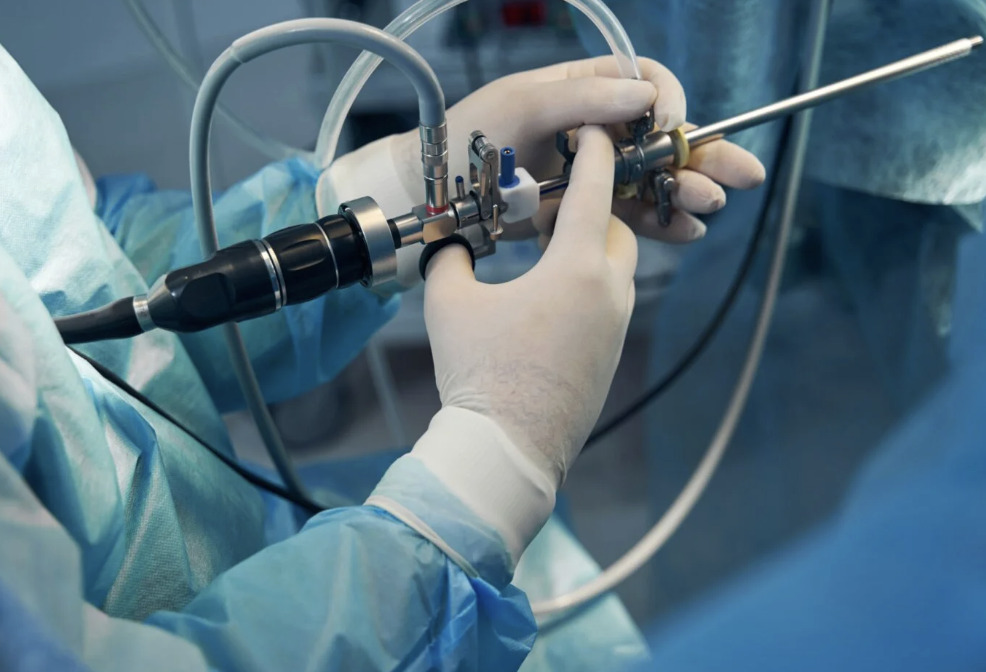
Understand what to expect during a cystoscopy procedure, from preparation to recovery. Learn about b
Learn about bladder cancer symptoms and when to seek medical evaluation. A urologist explains warnin

Learn why recurrent UTI in men requires thorough investigation, underlying causes, diagnostic approa

Understand haematuria causes, from UTIs to bladder conditions. Learn when blood in urine needs medic
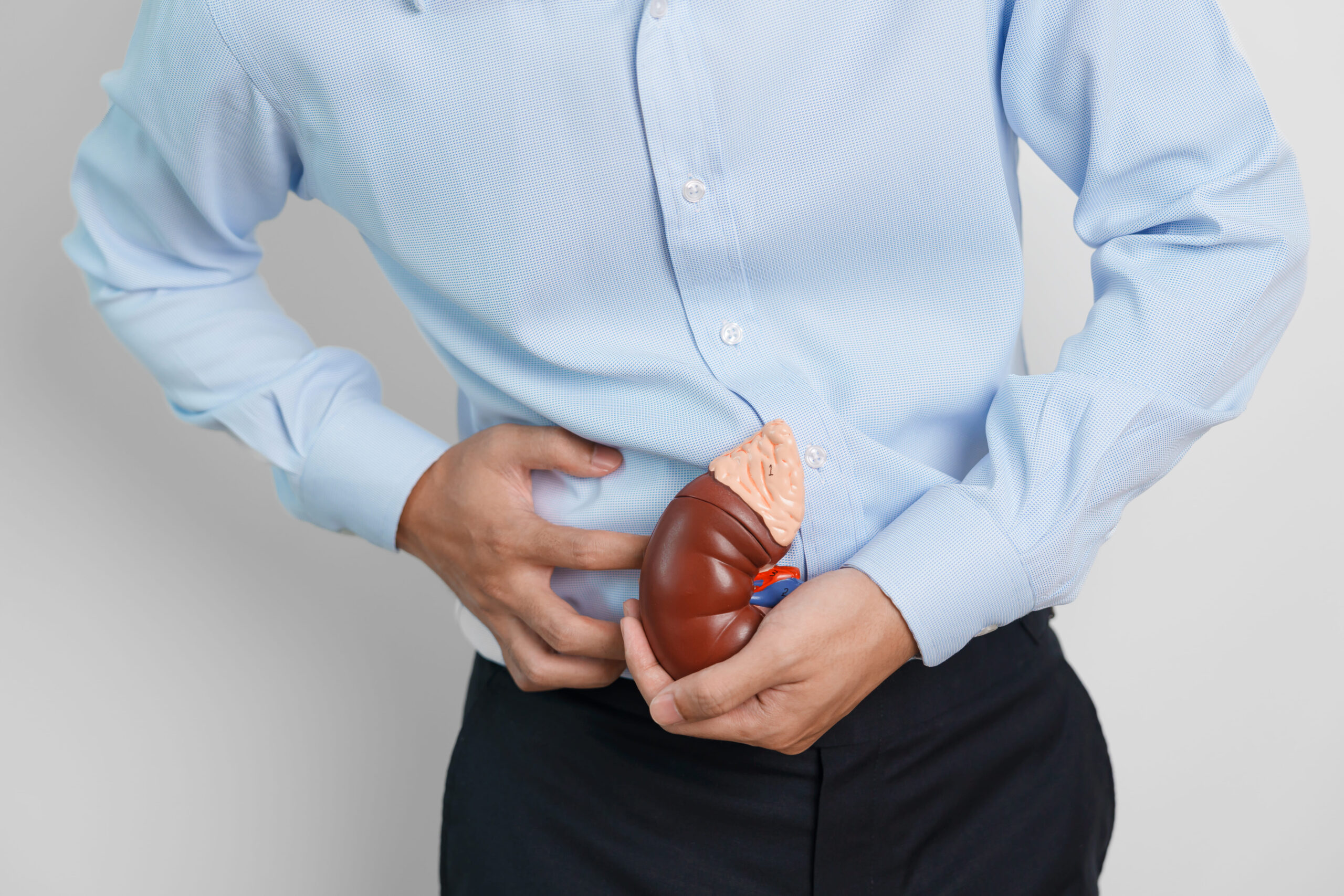
Understand kidney cyst causes, diagnosis methods, and when treatment may be needed from a urological

Dietary and lifestyle strategies to prevent kidney stones from recurring. Practical hydration, diet,
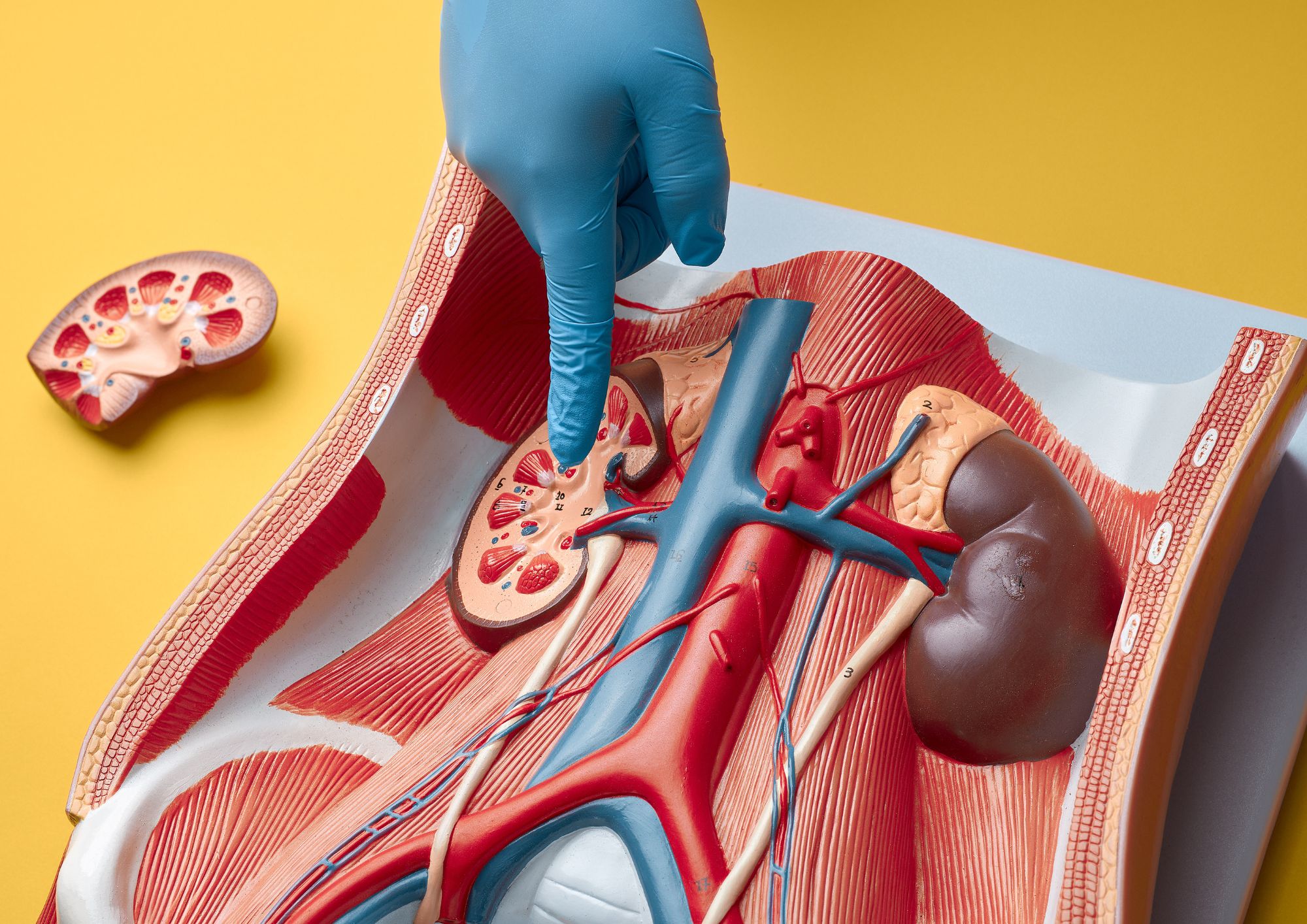
PCNL surgery removes large kidney stones through a small incision. Learn about the procedure, recove
 Optimized by Seraphinite Accelerator